 English
 Español
 Português
 Deutsch
 Français
 Italiano
 Nederlands
 العربية
 日本語
 한국어
 ไทย
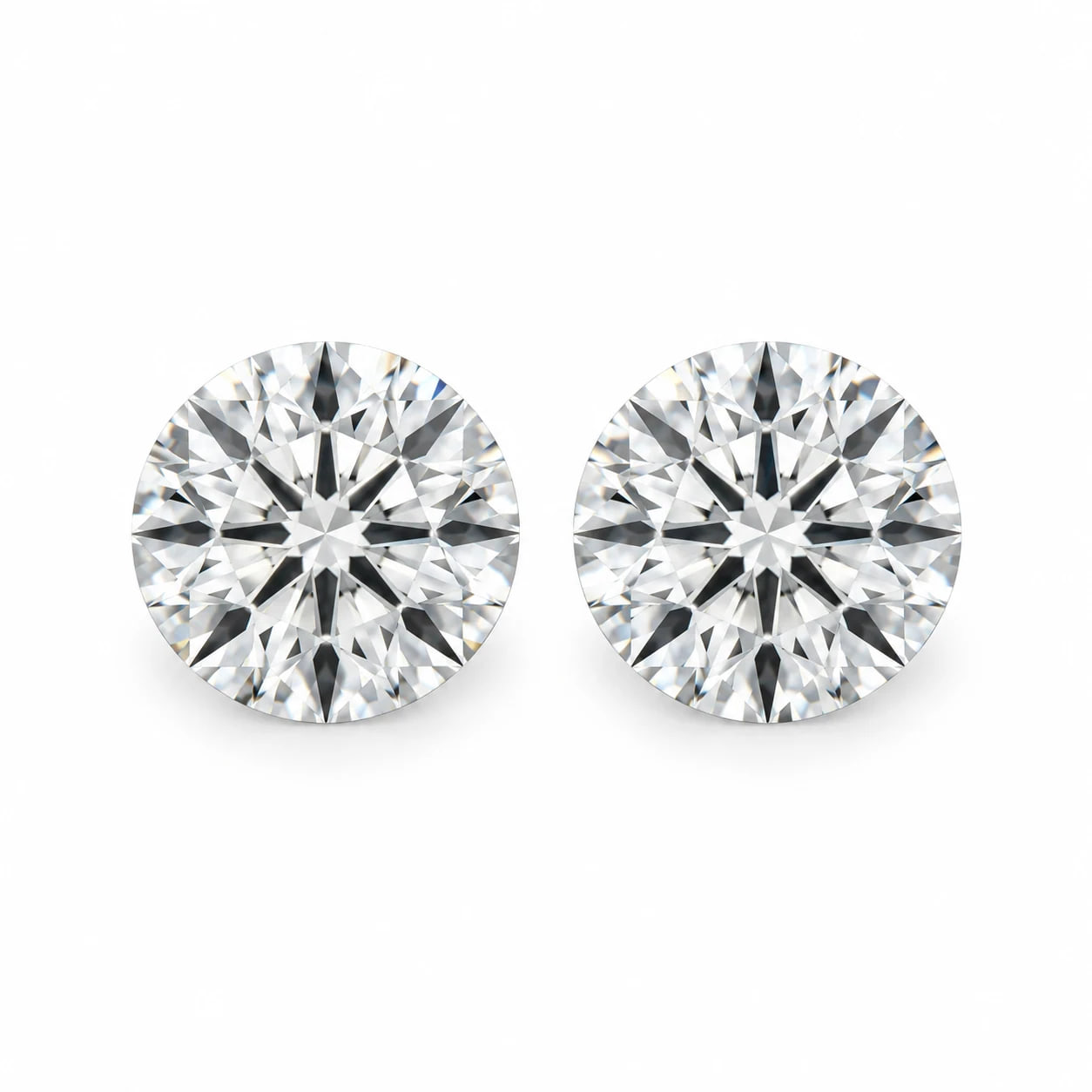
Matched Lab-Grown Diamonds / SOURCING ON REQUEST
Round Matched Pair Lab-Grown Diamonds
Two round loose diamonds reviewed together for earring programs, custom pairs and clearly defined repeat orders.
Explore ProductMEITUO / Product sourcing collection
Buy the relationship between stones, not just individual grade labels. Define pairs, parcels and coordinated layouts clearly.
Actual availability confirmed by enquiry
Define the product family
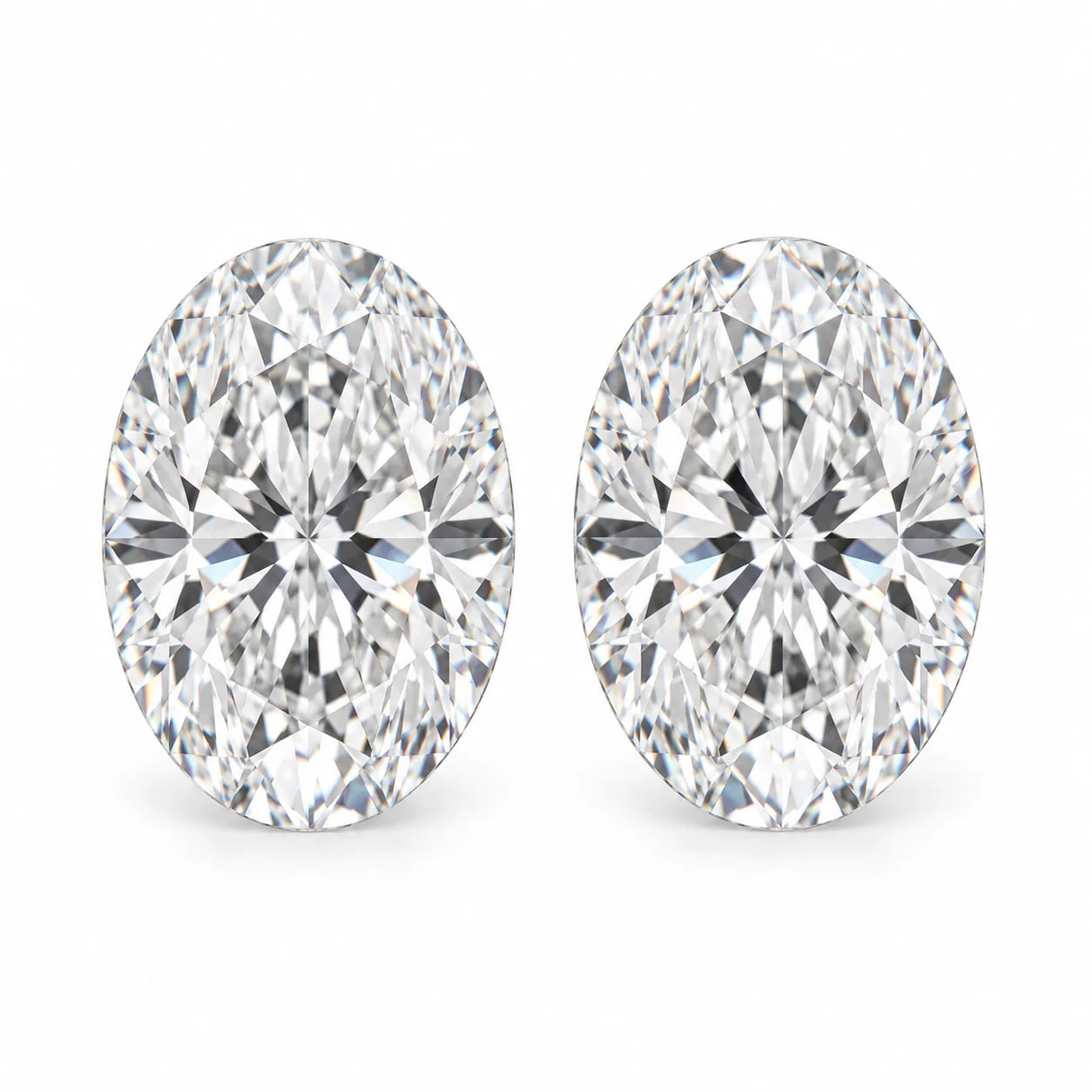
Matched lab-grown diamonds are selected to work together in an earring pair or a coordinated multi-stone design. The family separates equal-size pairs, calibrated parcels and graduated sets because matching means something different in each format. A pair needs balanced face-up appearance. A calibrated parcel needs consistent dimensions and a count or total weight. A graduated set intentionally changes size according to a layout. Begin with the design positions, then record each-stone and group requirements. These are sourcing and coordination programs; final layout, quantity, documentation and commercial terms are confirmed against the actual proposal.
Browse the product options
4 product groups
Sourcing options, not a live stock list
Matched Lab-Grown Diamonds / SOURCING ON REQUEST
Two round loose diamonds reviewed together for earring programs, custom pairs and clearly defined repeat orders.
Explore ProductMatched Lab-Grown Diamonds / SOURCING ON REQUEST
Oval, pear and other same-shape loose diamond pairs, selected around outline consistency and your finished-design requirements.
Explore ProductMatched Lab-Grown Diamonds / SOURCING ON REQUEST
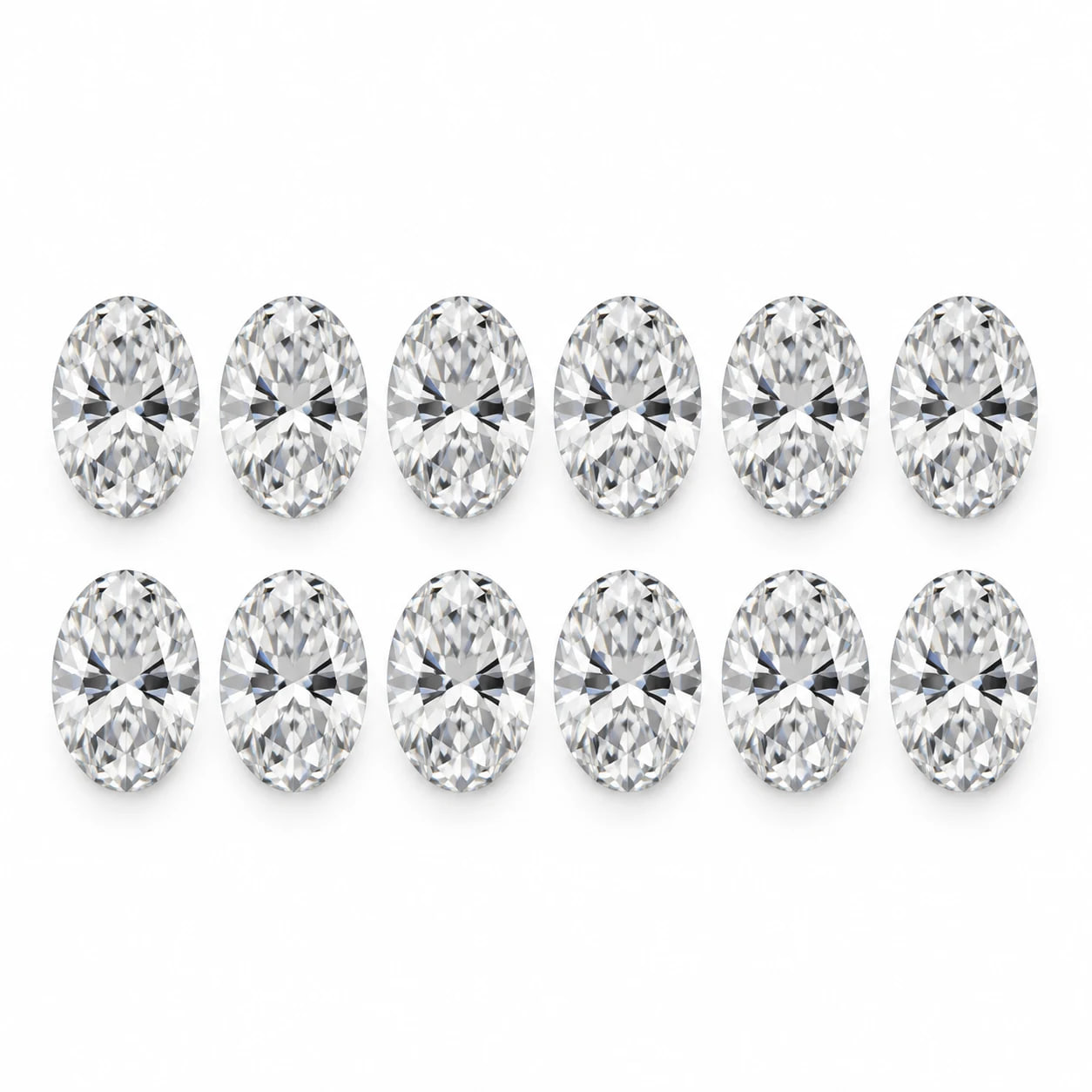
Counted same-size groups for collection layouts and repeat settings, built around agreed dimensions rather than nominal weight alone.
Explore Product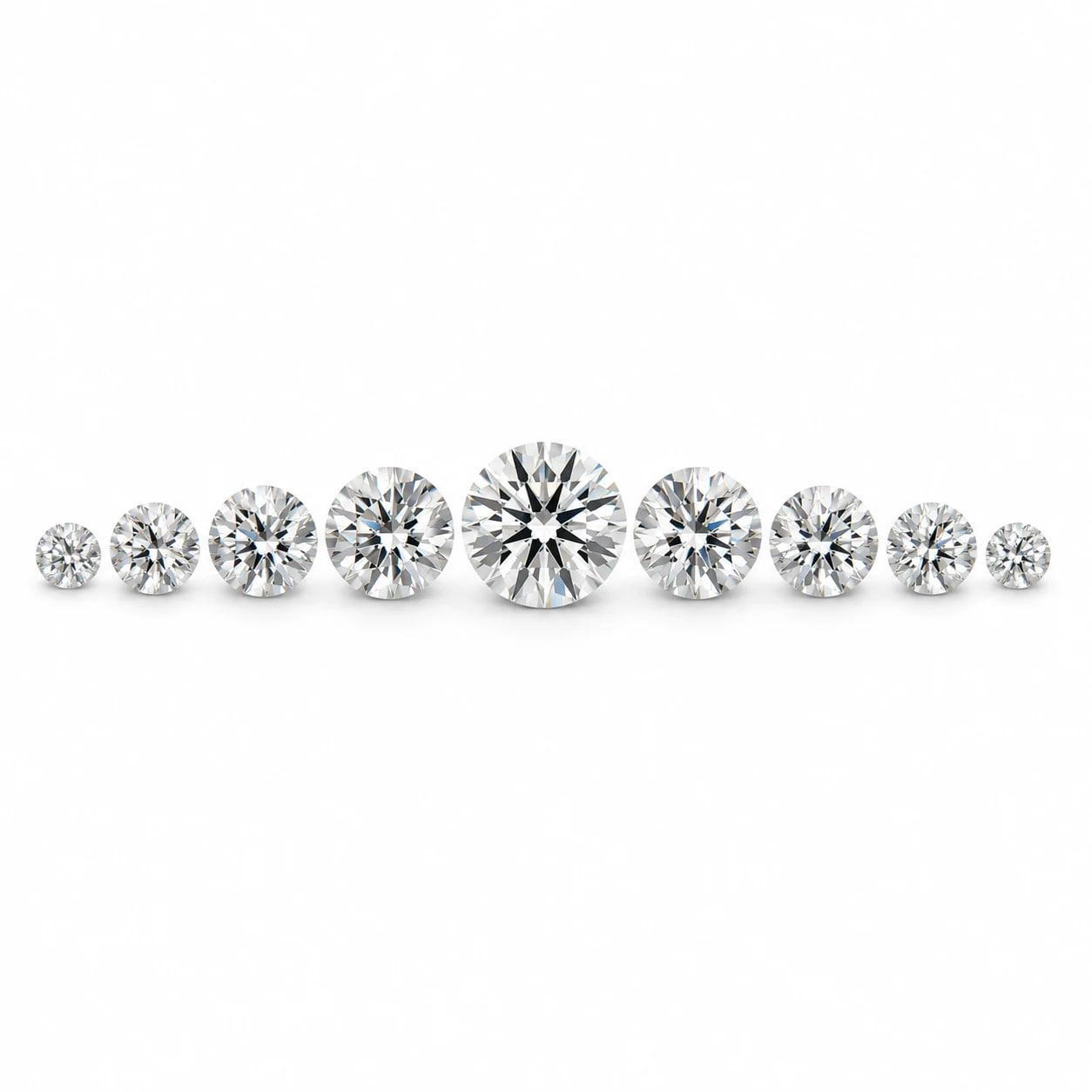
Matched Lab-Grown Diamonds / SOURCING ON REQUEST
Drawing-led sets with a deliberate size progression, supplied against a numbered design and an agreed approval sequence.
Explore ProductNo matching product group. Try a shape name or reset the filters.
Choose with a complete specification
A category page should help you compare options before you submit an enquiry.
Identify whether you need a pair, a same-size parcel or an intentionally graduated layout. These formats require different selection logic. Avoid using the word matched to hide an undefined design or weight requirement.
For two stones, give the target weight of each and the pair total. For a set, retain the per-position list and overall total. A total weight is not enough to establish the sizes needed at specific positions.
Use consistent lighting and a same-frame group view where possible. Compare dimensions and outline as well as color appearance and facet presentation. Separate report grades may still leave a visible difference in the assembled piece.
For a repeating collection, preserve the position numbers, size progression and agreed tolerance. A usable bill of materials makes the next sourcing request more precise without promising that a previous set can be reproduced automatically.
06 / A practical comparison
Compare the properties that change the purchasing decision, then review the actual selected stones or parcel.
| Supply format | What stays consistent | What the brief must record |
|---|---|---|
| Round matched pair | Diameter, appearance and pair balance | Each weight, pair total and visual criteria |
| Fancy-shape matched pair | Outline, length-to-width and color appearance | Each stone's dimensions and orientation |
| Calibrated parcel | Agreed size interval across the group | Count, total weight and dimensional tolerance |
| Graduated set | Controlled size progression, not equal sizes | Positioned BOM, matched opposing stones and set total |
Connect products to the finished piece
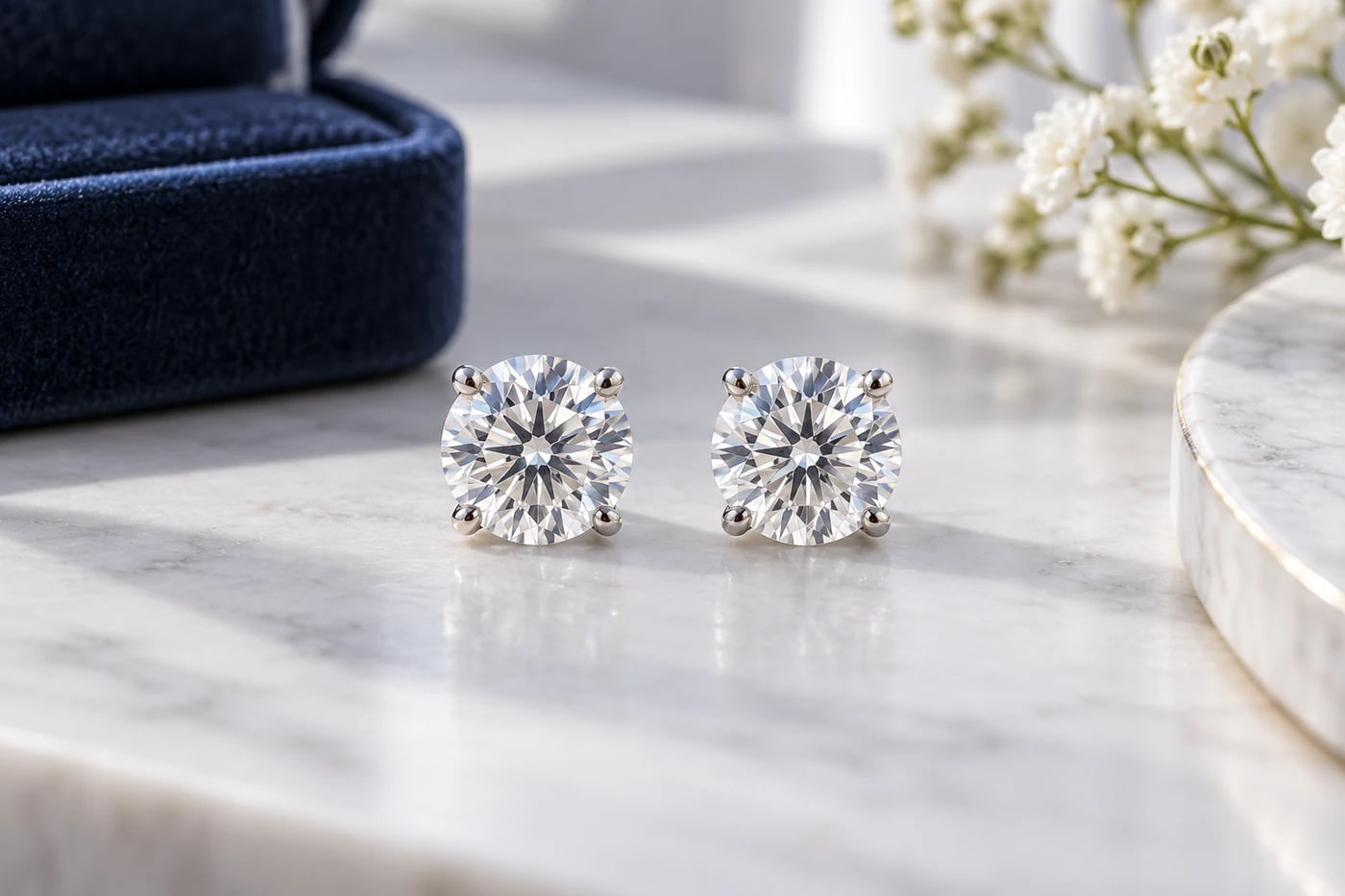
Round studs require a balanced face-up diameter and an agreed visual relationship. Share the intended settings and specify each-stone weight as well as the total so the proposed pair reflects the desired finished size.
Explore the Relevant Product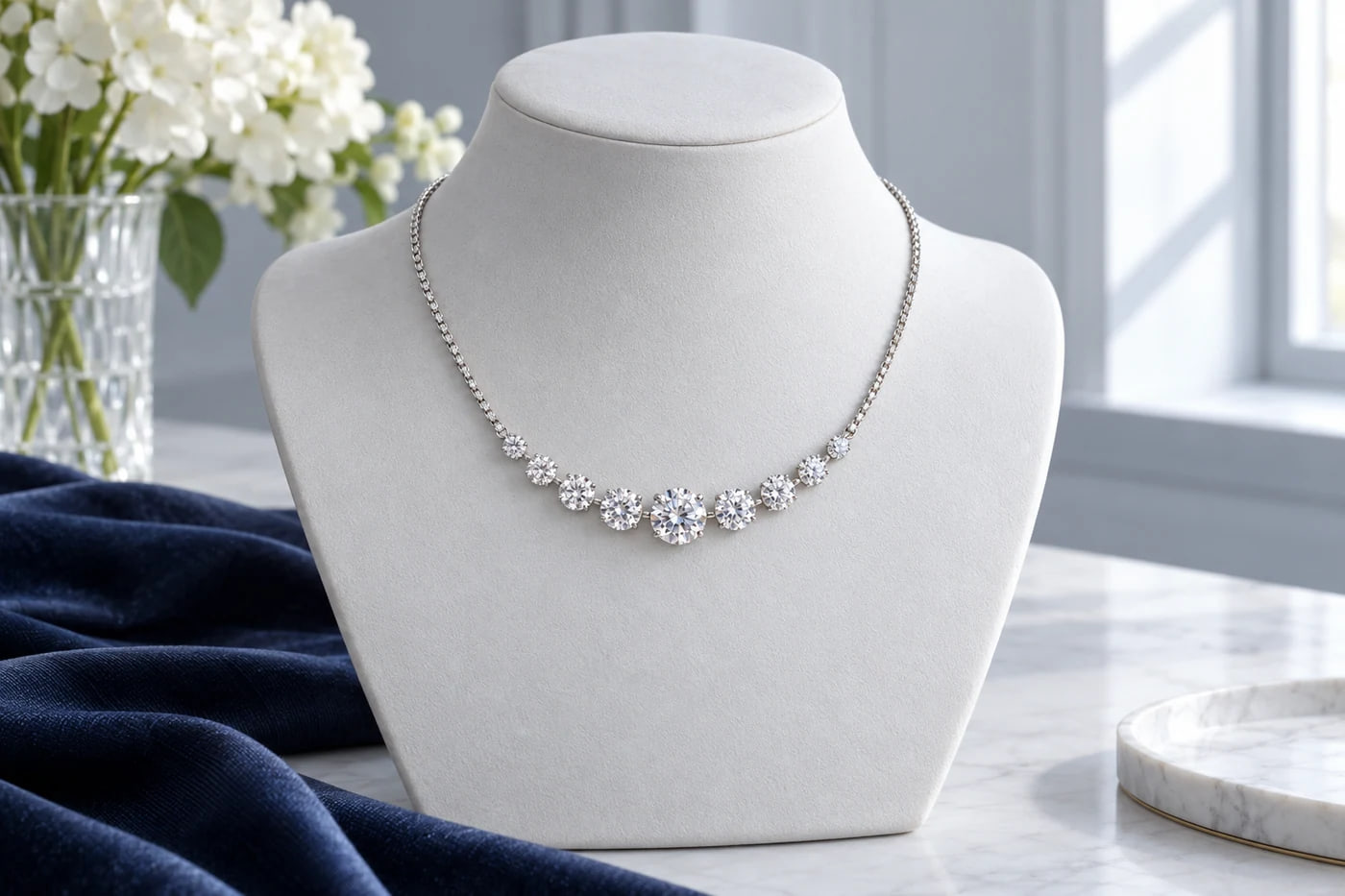
A necklace can build toward a focal center through a deliberate size progression. The nine-round reference uses one largest middle stone and four corresponding positions on each side. Define every location and approve the actual stones before finalizing the links and spacing.
Explore the Relevant ProductSpecific buyers, specific requirements
01 / BUYER BRIEF
Compare a coherent pair for a client order rather than two separate stones with approximate combined weight.
State each-stone weight, total weight, mount size and matching priorities.
02 / BUYER BRIEF
Connect each stone position to the actual seats and inspection record.
Define dimensions, corresponding pairs, count and the method for measuring total weight.
03 / BUYER BRIEF
Connect a paired-stone selection to the dimensions of the mounts and the approved collection look.
Identify fixed seat constraints and the acceptable differences between the stones.
| Market scenario | Example procurement use | What needs clarification |
|---|---|---|
| United States | Stud earring assortment briefs | Each weight, total weight, mount size and pair imagery |
| United Kingdom | One-off bespoke necklace and bracelet layouts | Design envelope, progression intent and setter review |
| Australia | Made-to-order studs and replenishment | Approved sample record, document mapping and required date |
08 / Before you source
The agreed criteria may include dimensions, proportions, outline, color appearance and how the stones look together. Identical report labels alone do not establish a visually balanced pair. Define what matters for the finished earrings or other design.
No. A 1.00 ct total-weight pair may contain two stones of approximately 0.50 ct each, while 1.00 ct each describes a different request. State both each-stone and group weight explicitly, and use actual proposed values at approval.
A calibrated parcel works within a defined size interval. A graduated set deliberately changes size according to a layout. The former needs a sorting specification; the latter needs position data and an approved size progression, often with mirrored opposing stones.
Use a numbered bill of materials with dimensions, quantities, intended positions and document requirements. Include a layout drawing when the visual progression is important. The list is reviewed as a sourcing request, with availability and terms confirmed separately.
Retain the approved each-stone measurements, matching criteria and position list rather than relying on the total weight alone. Explain which positions need replacement or replenishment. New proposed goods should be reviewed against the original acceptance criteria.
09 / Prepare the next conversation
Start with the fixed requirements and explain where the sourcing selection can vary.
Describe the product format, design requirements, document needs and intended purchase unit. The actual selection and commercial terms are confirmed through the quotation.
YOUR PREFERRED REQUIREMENT
Matched Lab-Grown Diamonds & Coordinated Sets
Continue to our contact form with your selected specifications and send your requirements directly to our sourcing team.
Review your product selection and requirements on our contact form.
Connect the catalogue and procurement requirements
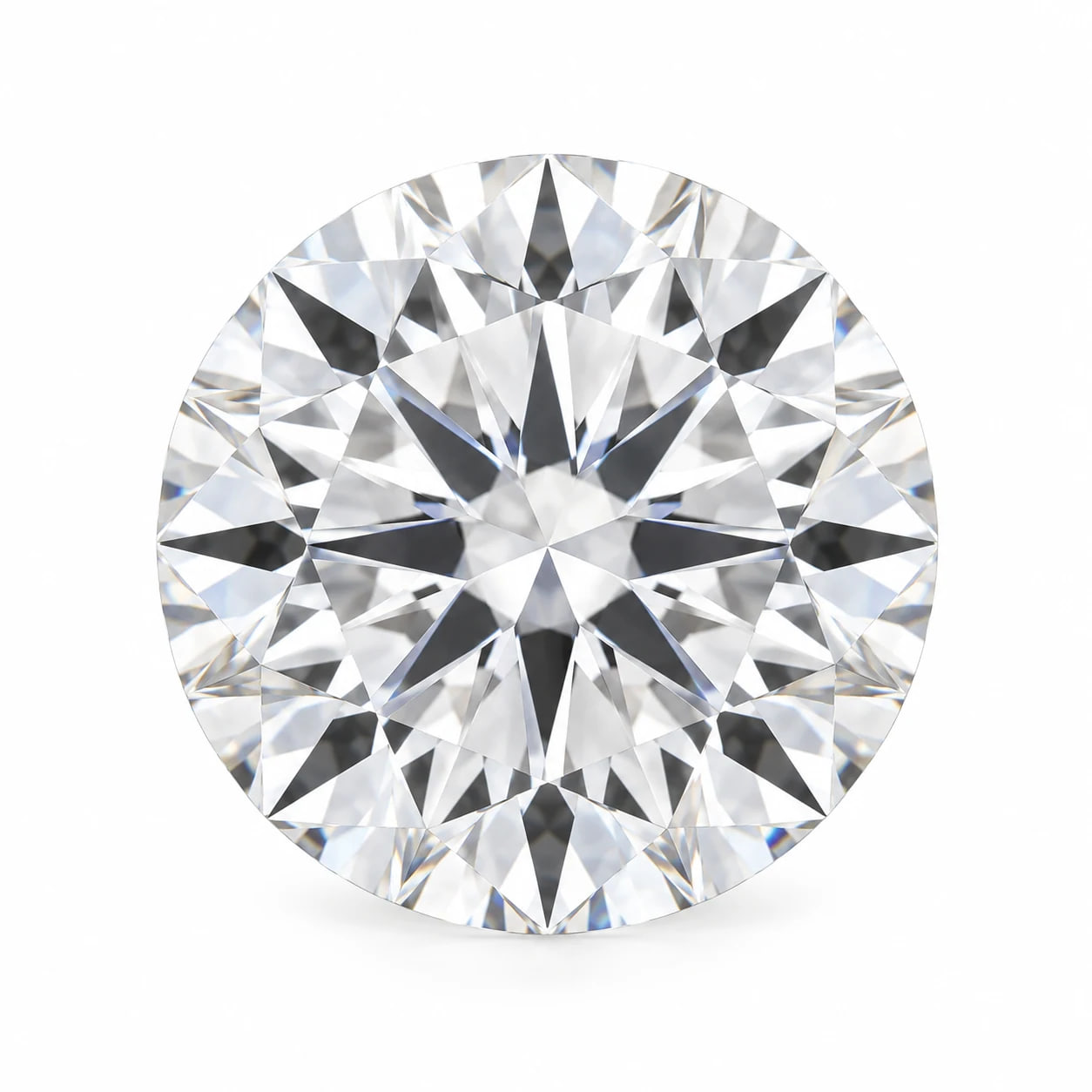
Loose Lab-Grown Diamonds / SOURCING ON REQUEST
Specify round brilliant center stones and matching pairs by diameter, report details and face-up appearance for your next jewellery order.
Explore Product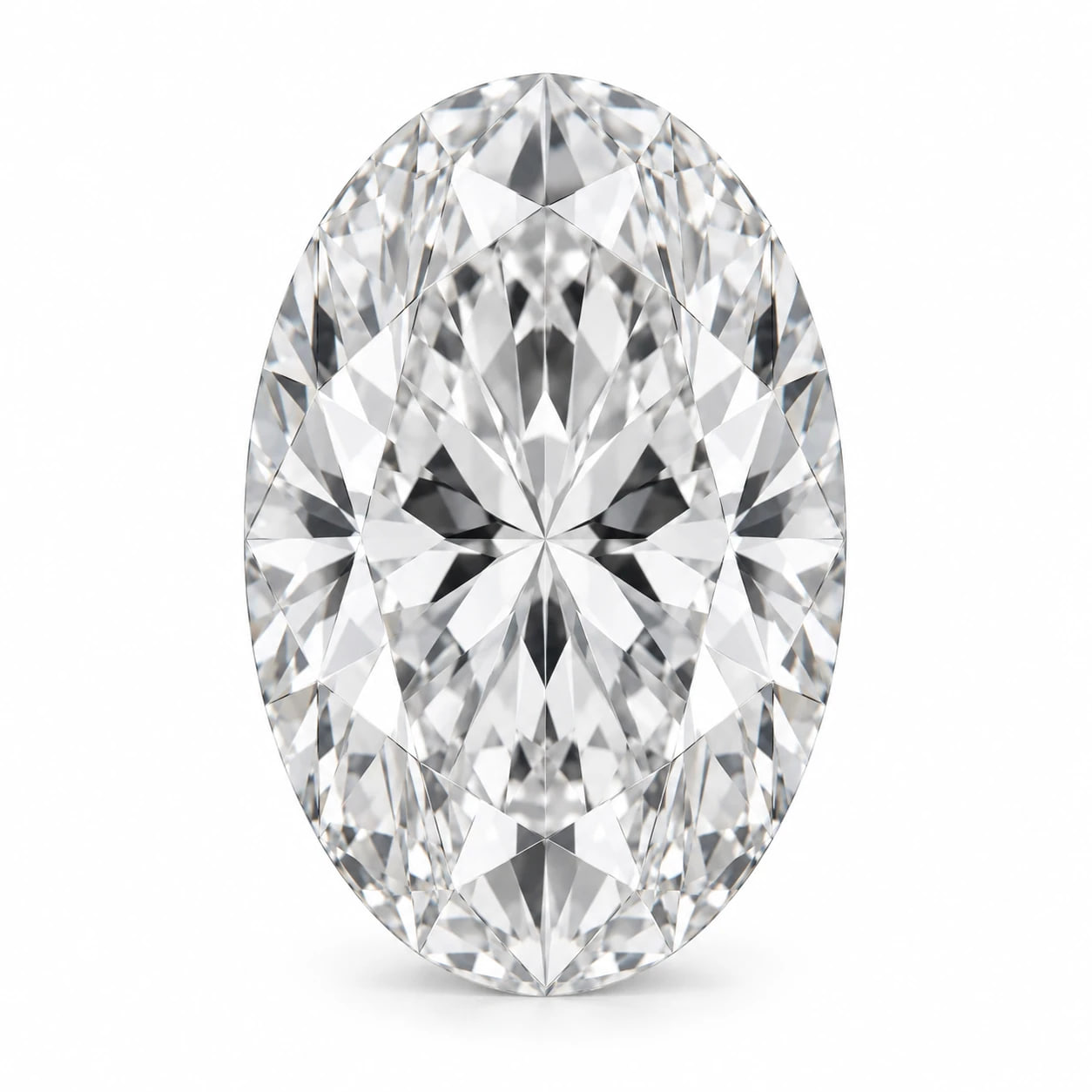
Loose Lab-Grown Diamonds / SOURCING ON REQUEST
Source loose oval center stones and matched pairs for bridal collections, bespoke jewellery and repeat business orders.
Explore Product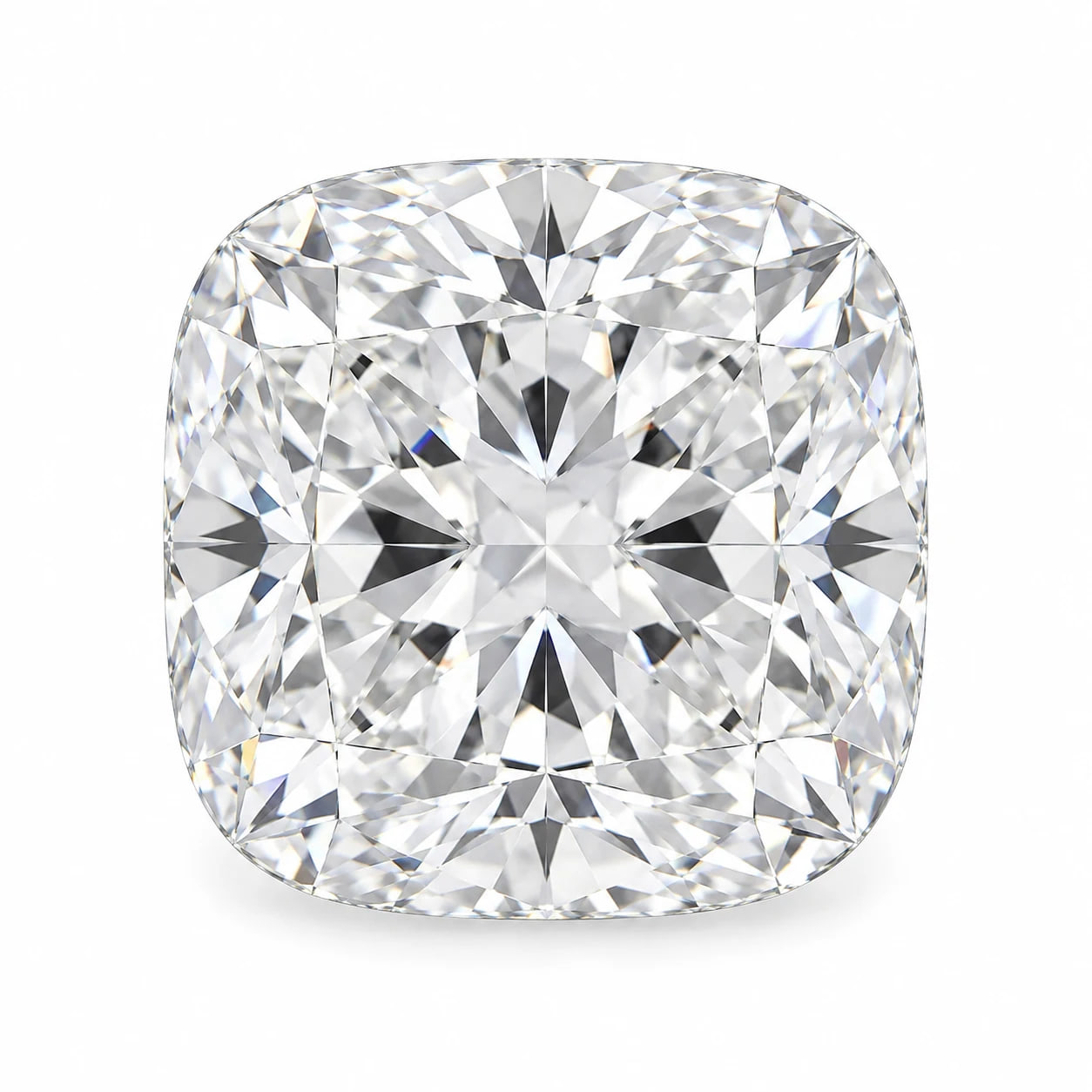
Loose Lab-Grown Diamonds / SOURCING ON REQUEST
Build a cushion-cut diamond brief around square or elongated outlines, facet appearance and the dimensions of your finished design.
Explore Product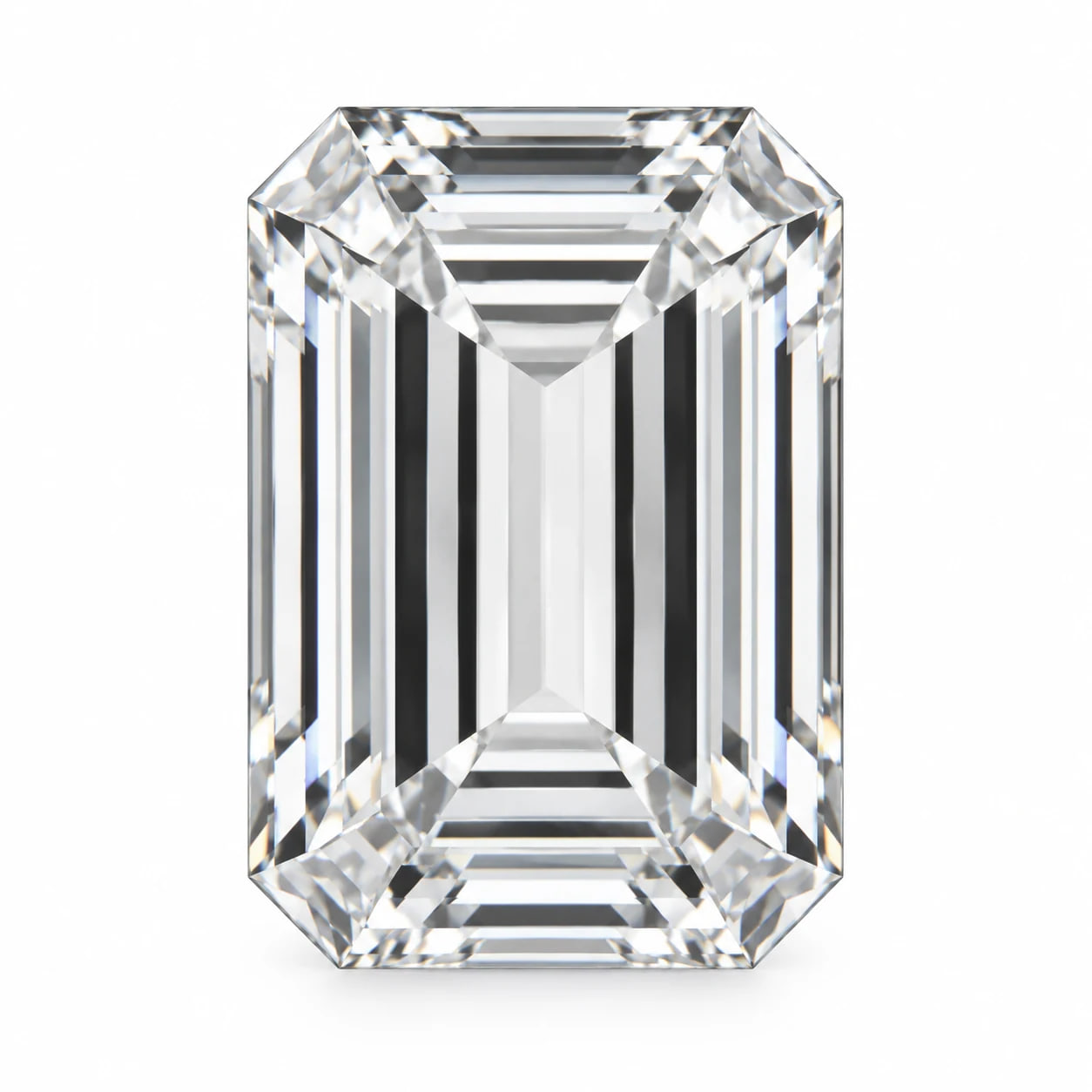
Loose Lab-Grown Diamonds / SOURCING ON REQUEST
Select emerald-cut lab-grown diamonds through step-facet appearance, clipped-corner outline and setting dimensions, with documentation reviewed stone by stone.
Explore Product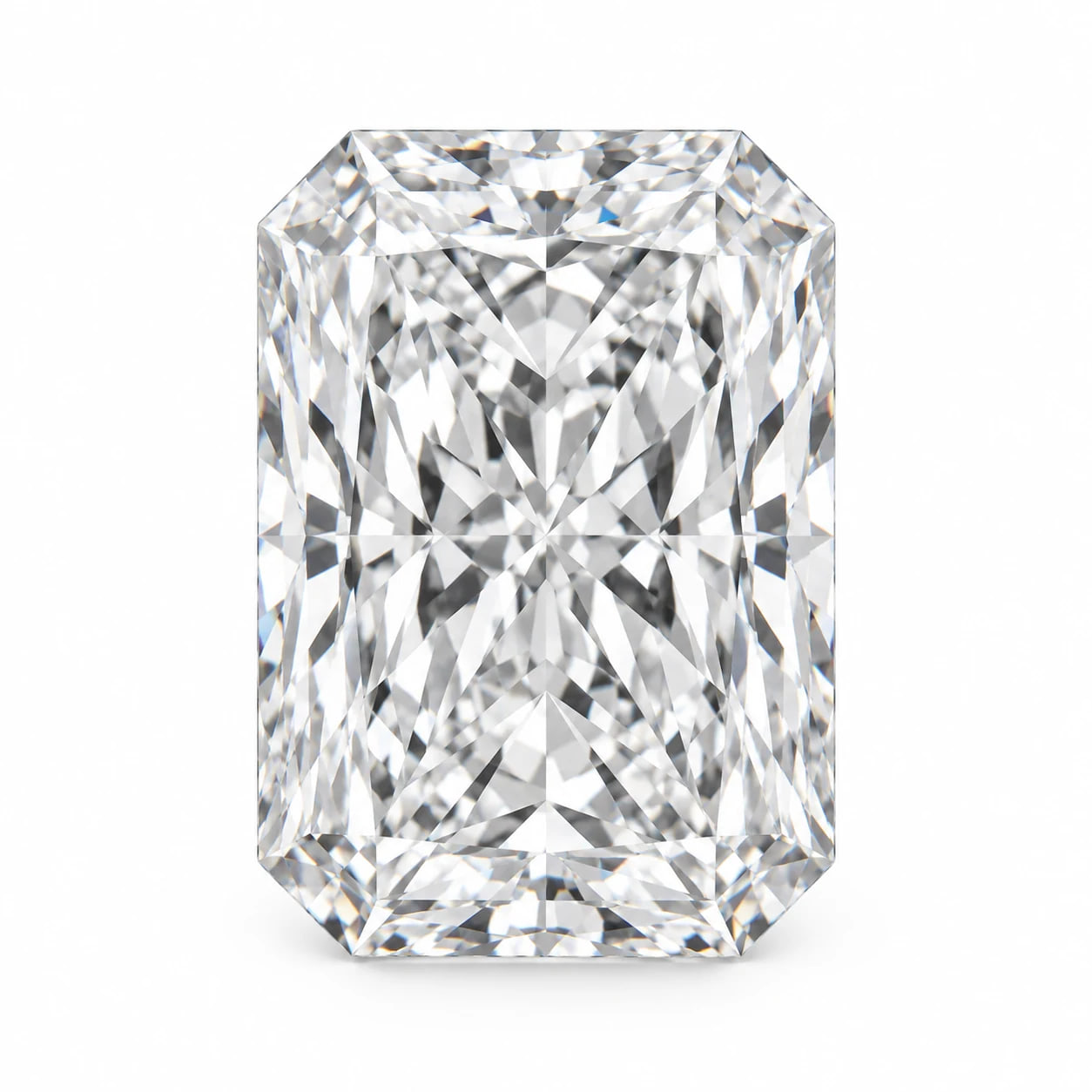
Loose Lab-Grown Diamonds / SOURCING ON REQUEST
Brief radiant-cut lab-grown diamonds by square or rectangular outline, clipped corners, face-up pattern and the requirements of the intended mount.
Explore Product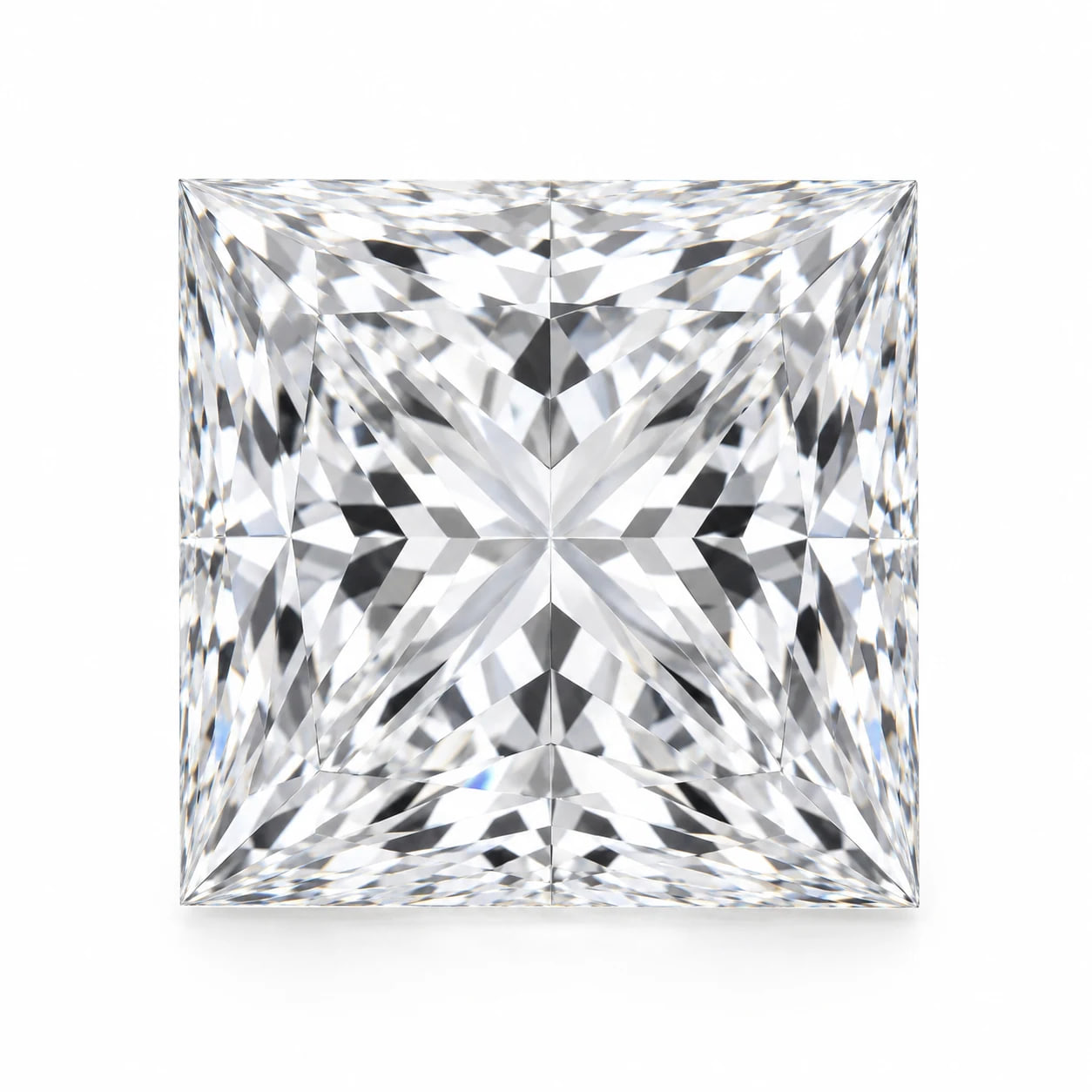
Loose Lab-Grown Diamonds / SOURCING ON REQUEST
Source princess-cut lab-grown diamonds with clear edge dimensions, corner-support requirements and matched-pair criteria for rings, studs and repeat designs.
Explore Product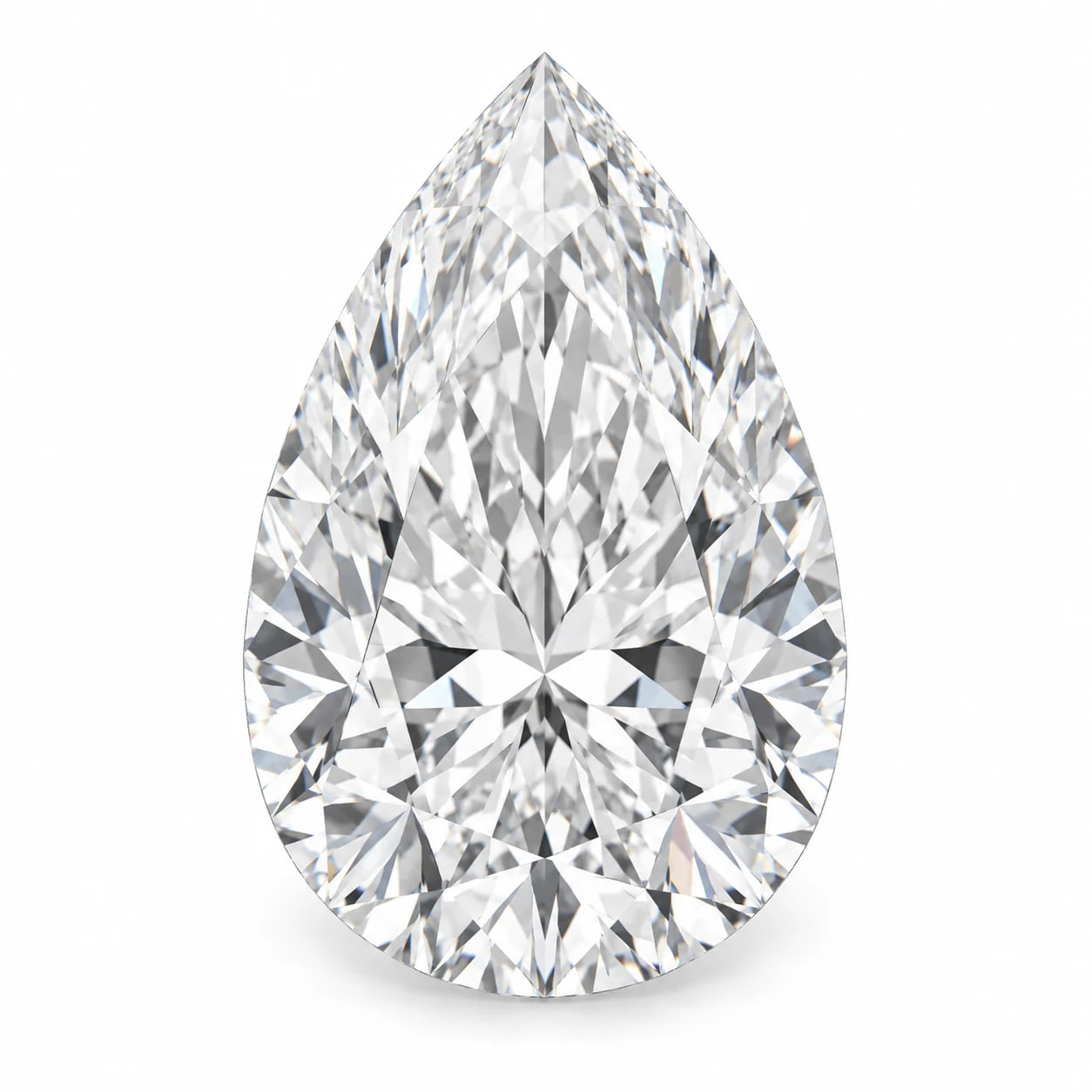
Loose Lab-Grown Diamonds / SOURCING ON REQUEST
Plan pear-shaped lab-grown diamond sourcing around the point, shoulder balance, setting orientation and matching requirements of your finished jewellery.
Explore Product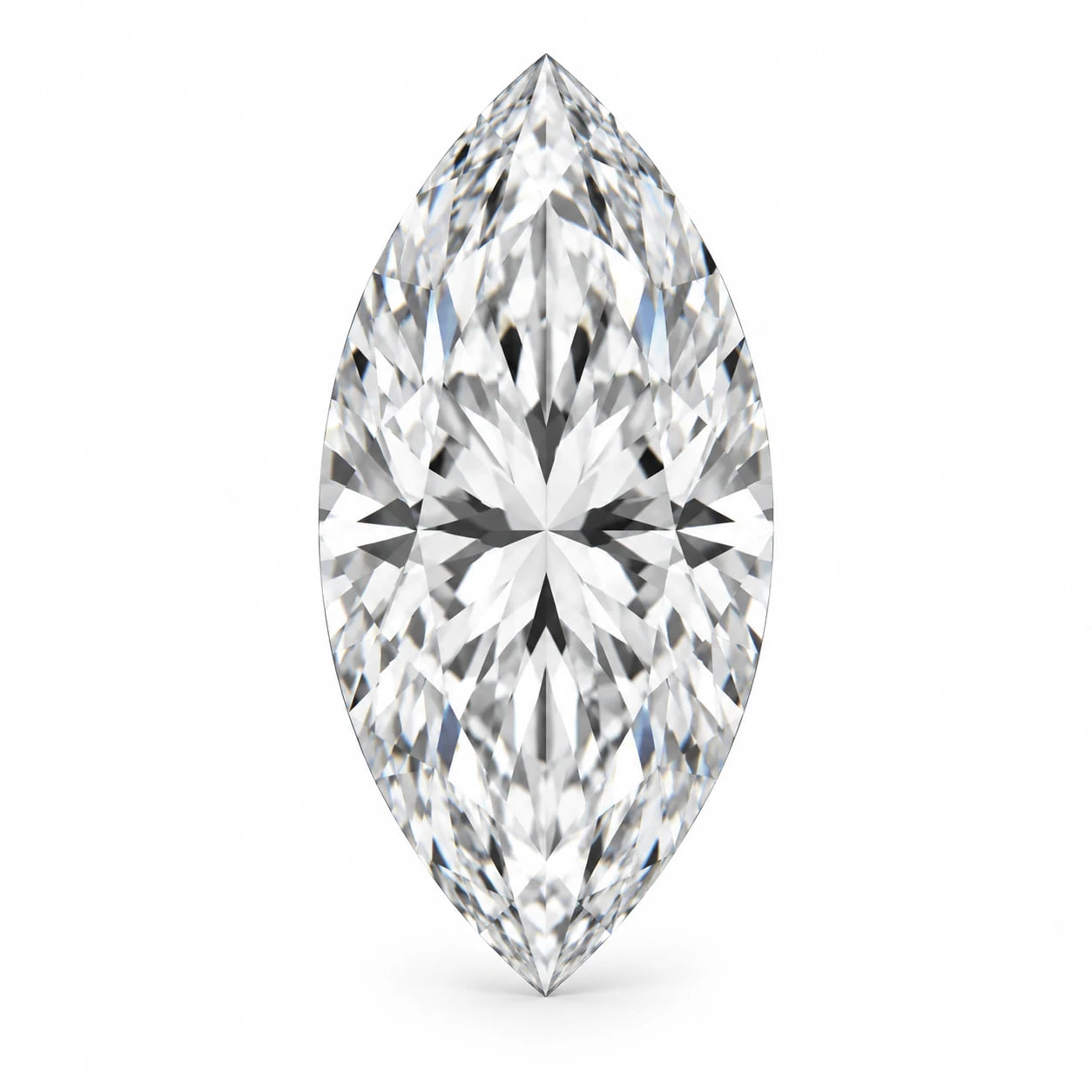
Loose Lab-Grown Diamonds / SOURCING ON REQUEST
Specify marquise lab-grown diamonds through aligned points, balanced shoulders, face-up appearance and the orientation of your ring or earring design.
Explore Product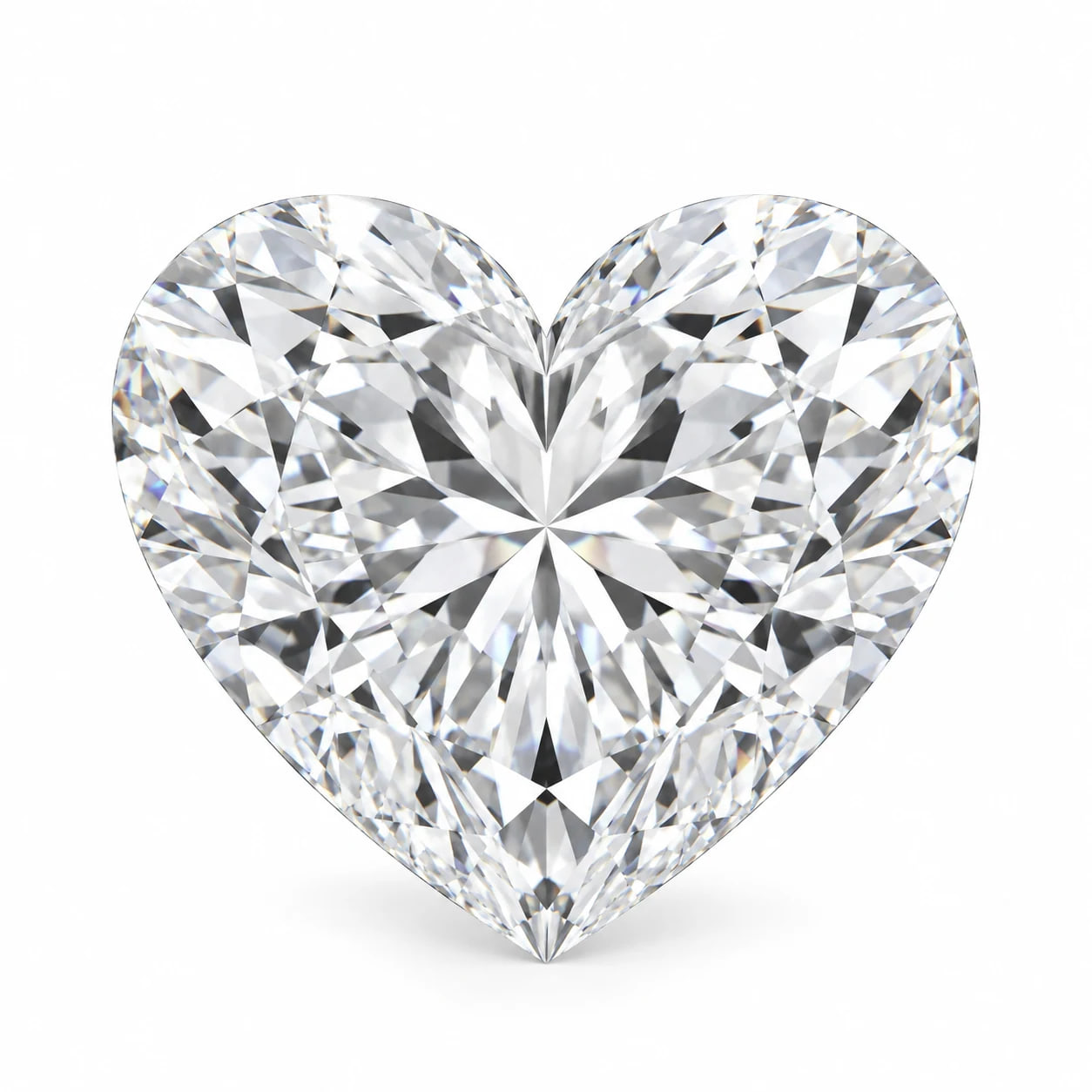
Loose Lab-Grown Diamonds / SOURCING ON REQUEST
Source heart-shaped lab-grown diamonds with a clear cleft, balanced lobes and agreed orientation for rings, pendants and matched design projects.
Explore Product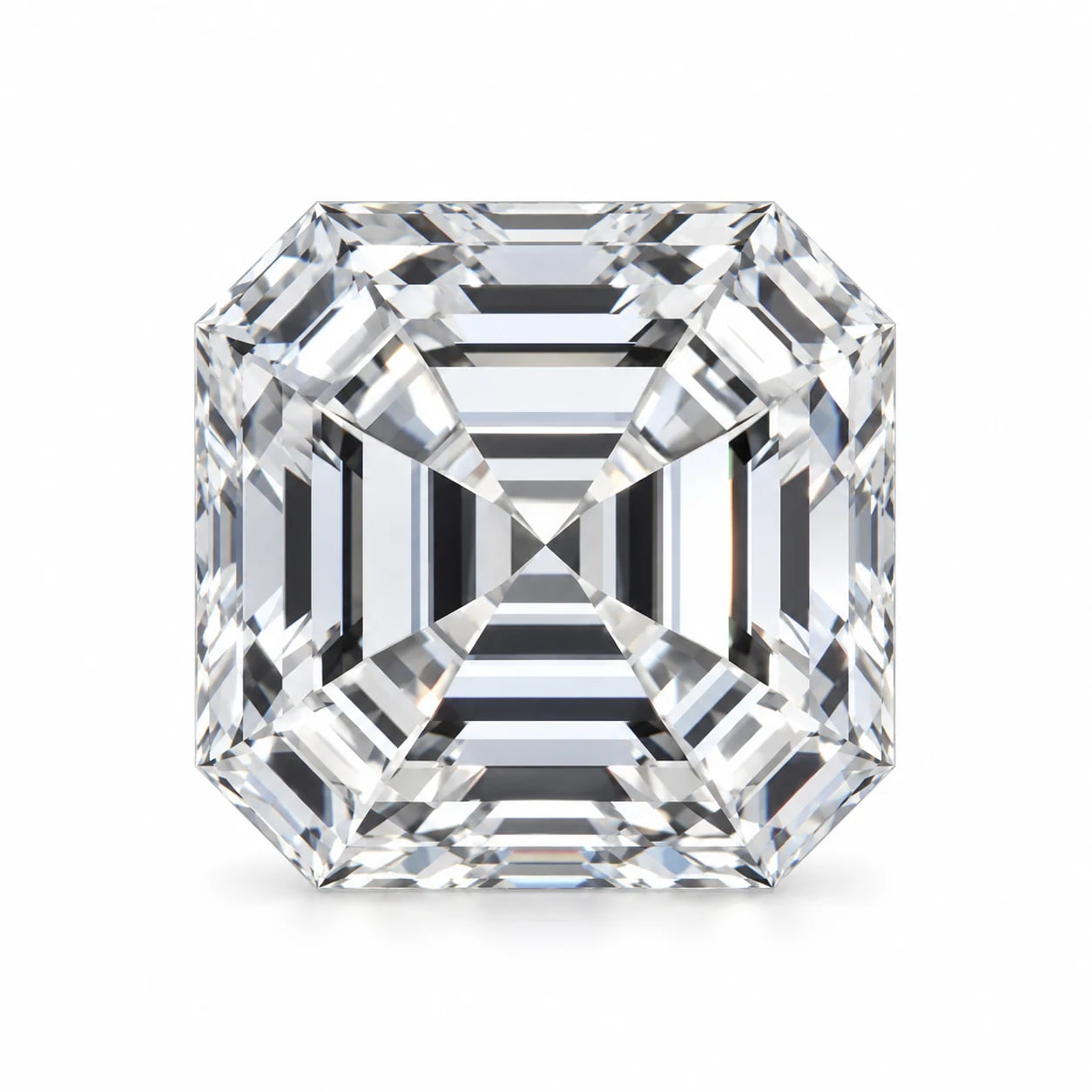
Loose Lab-Grown Diamonds / SOURCING ON REQUEST
Define Asscher-cut lab-grown diamond sourcing through square step geometry, clipped corners, depth and the appearance standard of your design.
Explore Product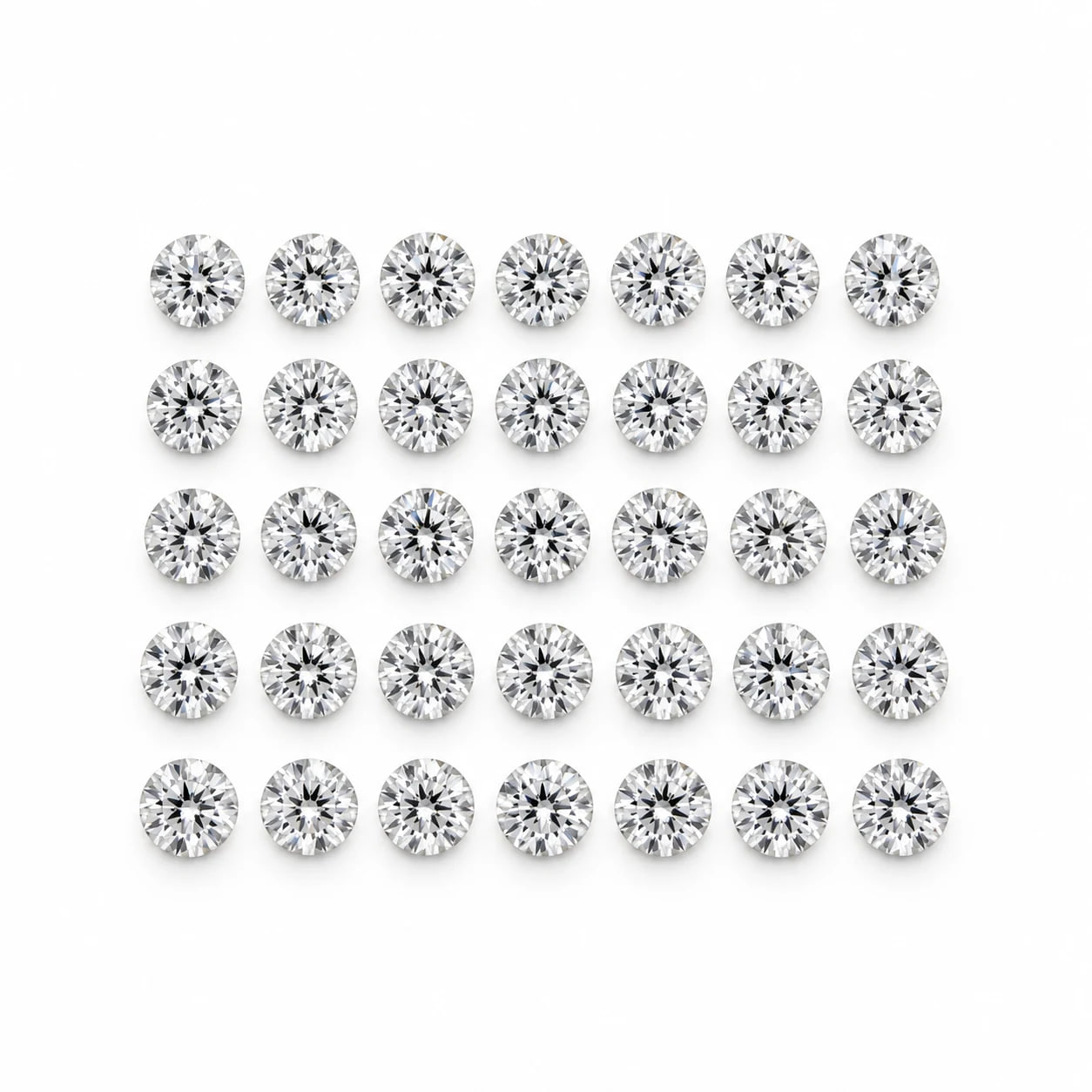
Lab-Grown Melee Diamonds / SOURCING ON REQUEST
Calibrated small round diamonds for pavé, halos and repeat production, specified by size range and parcel requirements.
Explore Product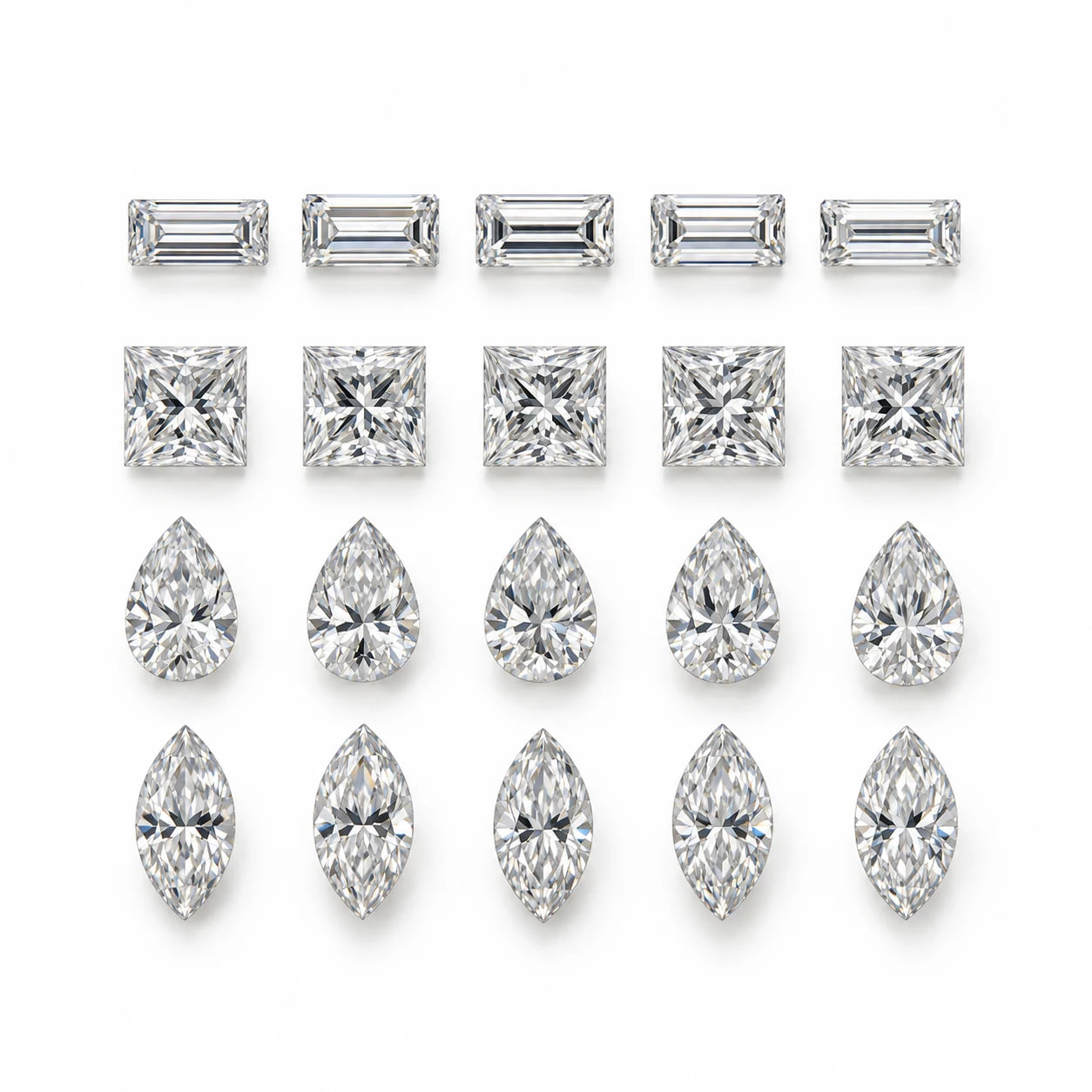
Lab-Grown Melee Diamonds / SOURCING ON REQUEST
Small princess, marquise, pear and baguette diamonds, sourced against the dimensions and orientation of your design.
Explore Product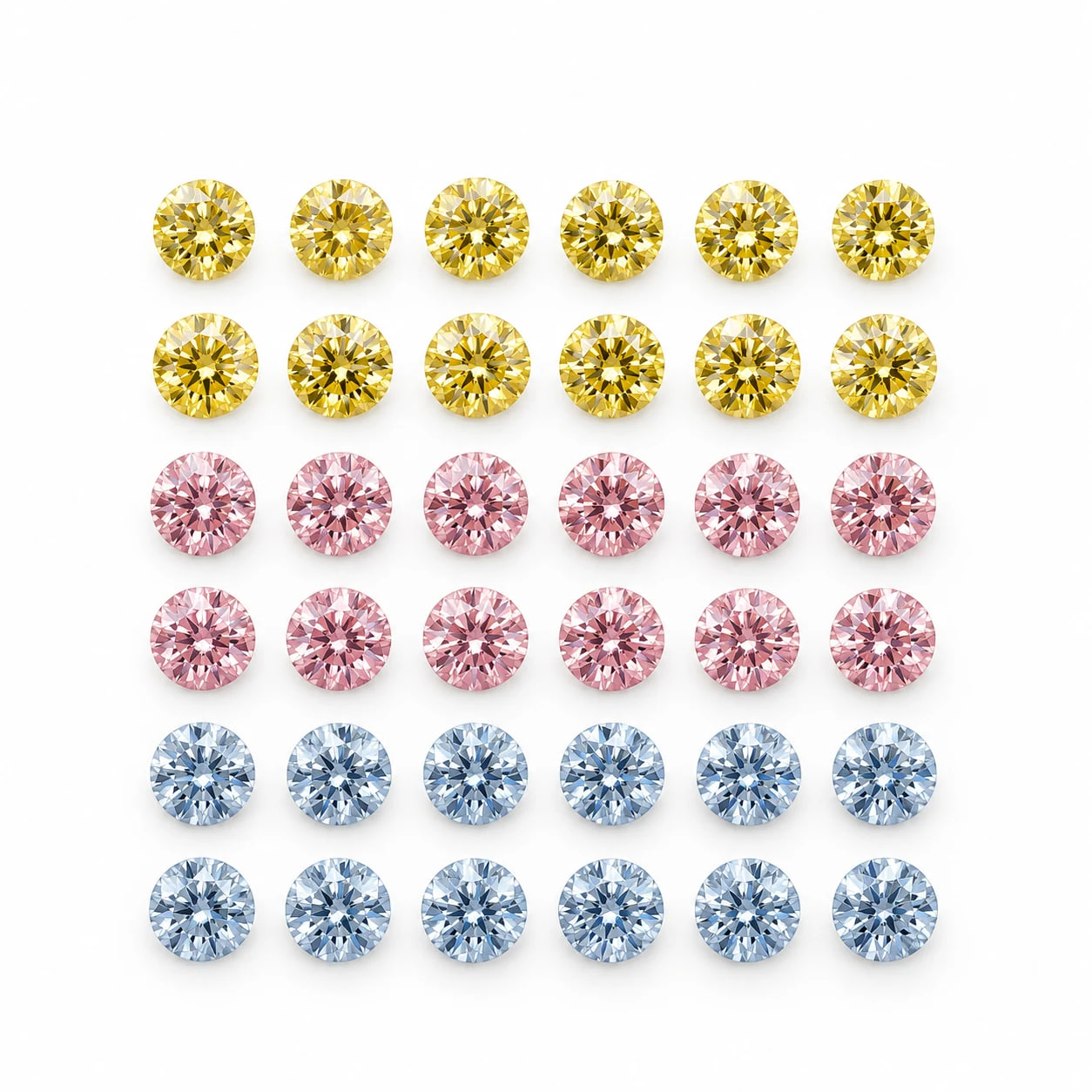
Lab-Grown Melee Diamonds / SOURCING ON REQUEST
Small colored diamonds for pavé and accent work, with hue, size and batch consistency defined before sourcing.
Explore Product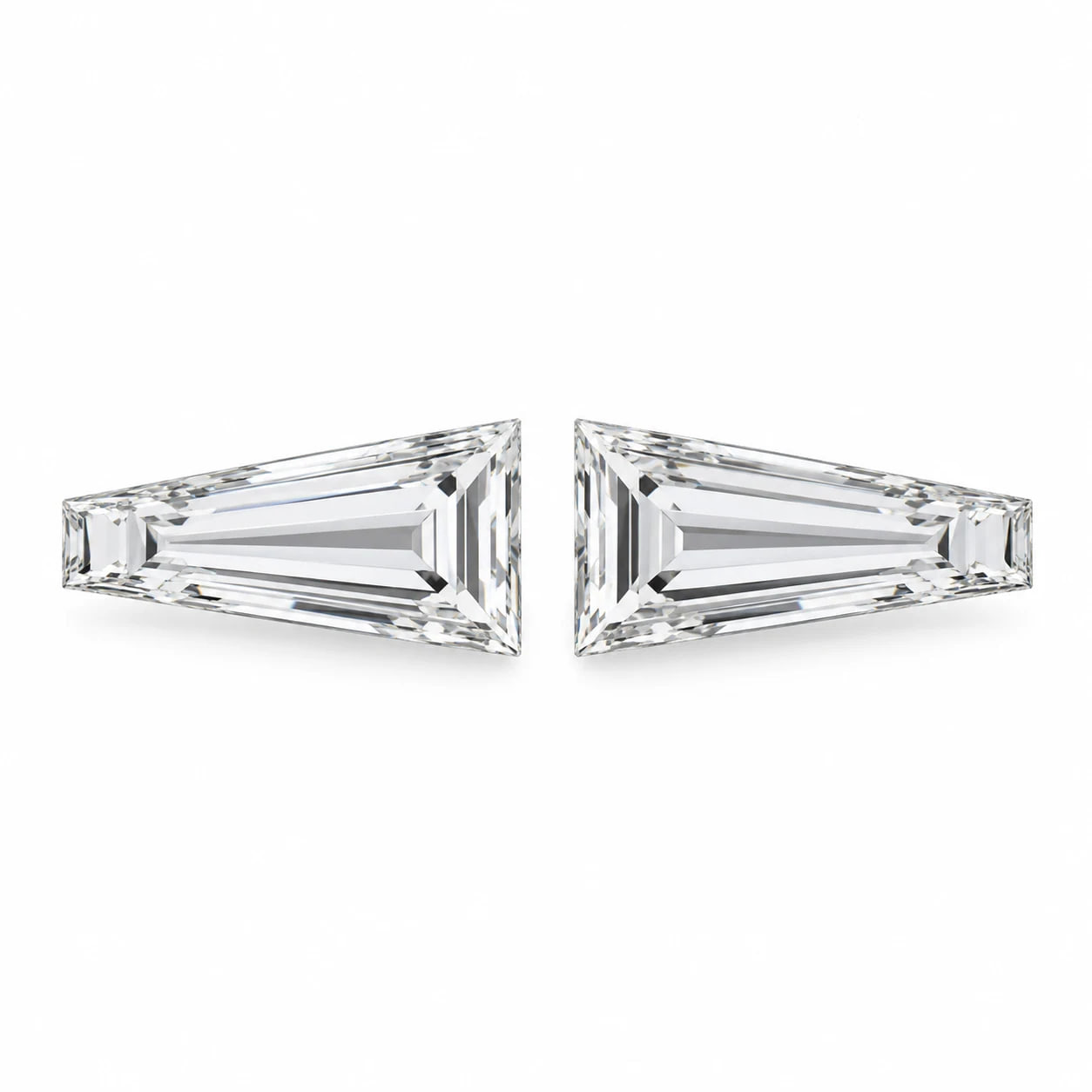
Lab-Grown Diamond Side Stones / SOURCING ON REQUEST
Slender step-cut side stones, tapered and paired to frame a center stone with clear geometric balance.
Explore Product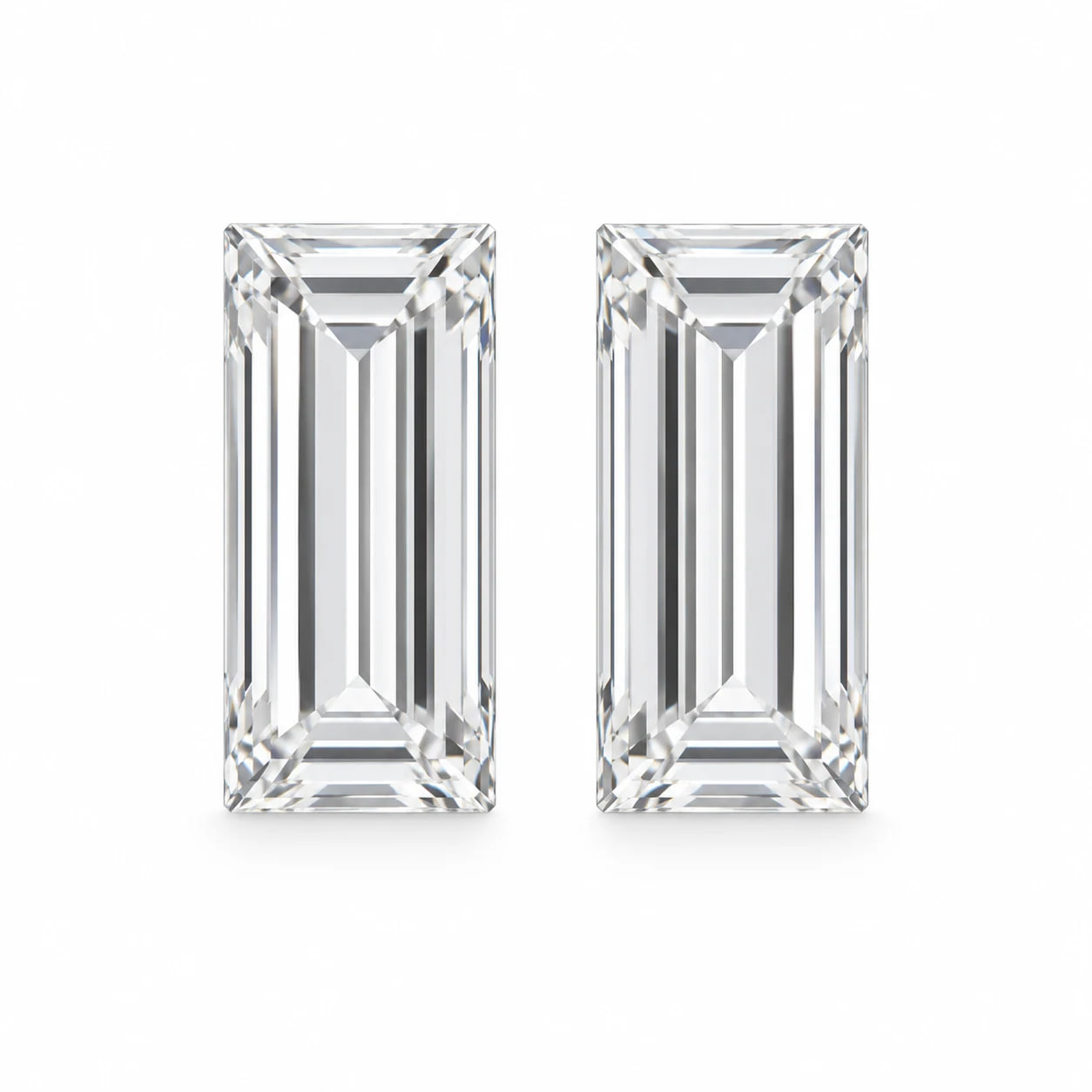
Lab-Grown Diamond Side Stones / SOURCING ON REQUEST
Clean rectangular step-cut diamonds for linear accents, channel layouts and precisely specified side-stone pairs.
Explore Product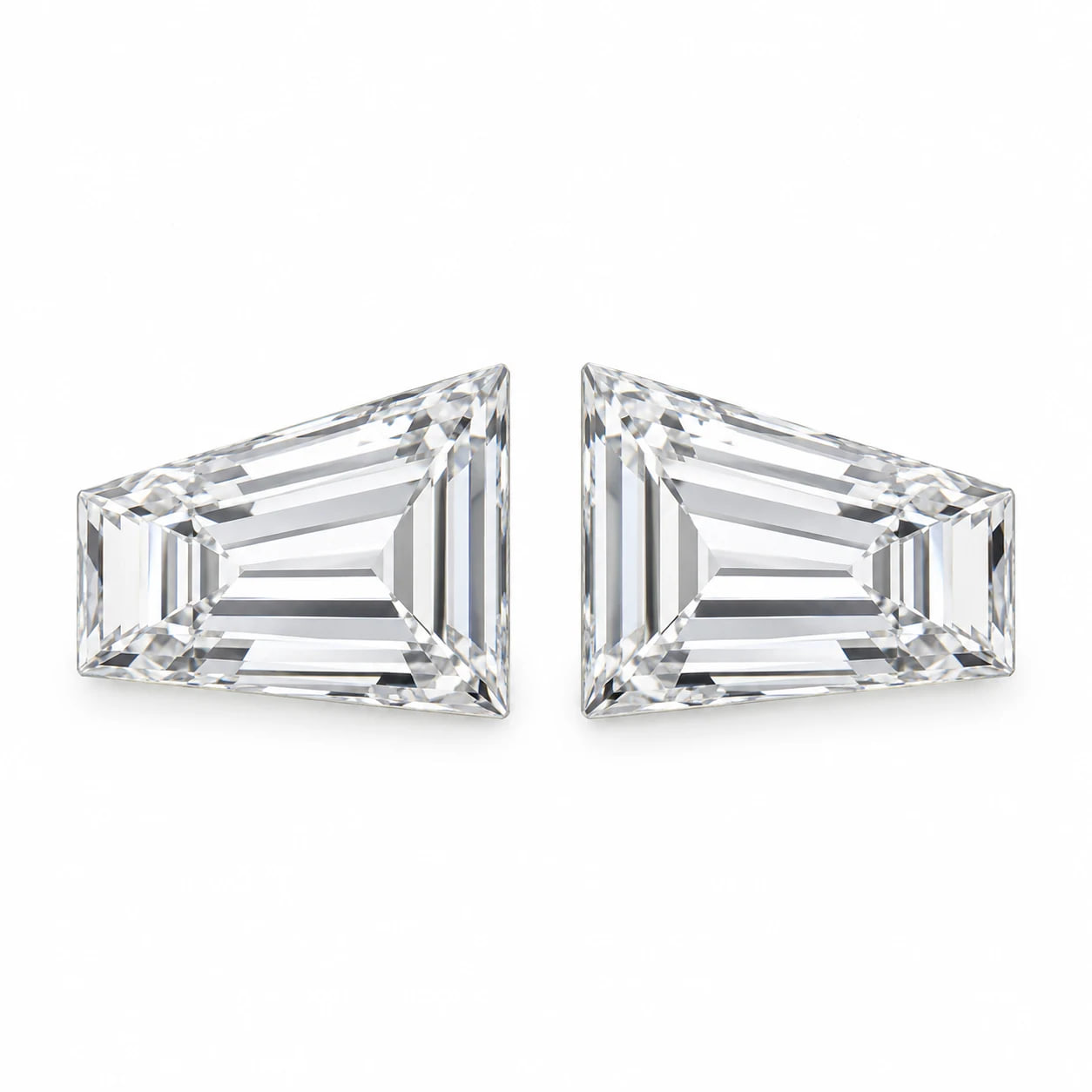
Lab-Grown Diamond Side Stones / SOURCING ON REQUEST
Broad geometric side stones for three-stone designs, sourced from an explicit outline and paired-layout reference.
Explore Product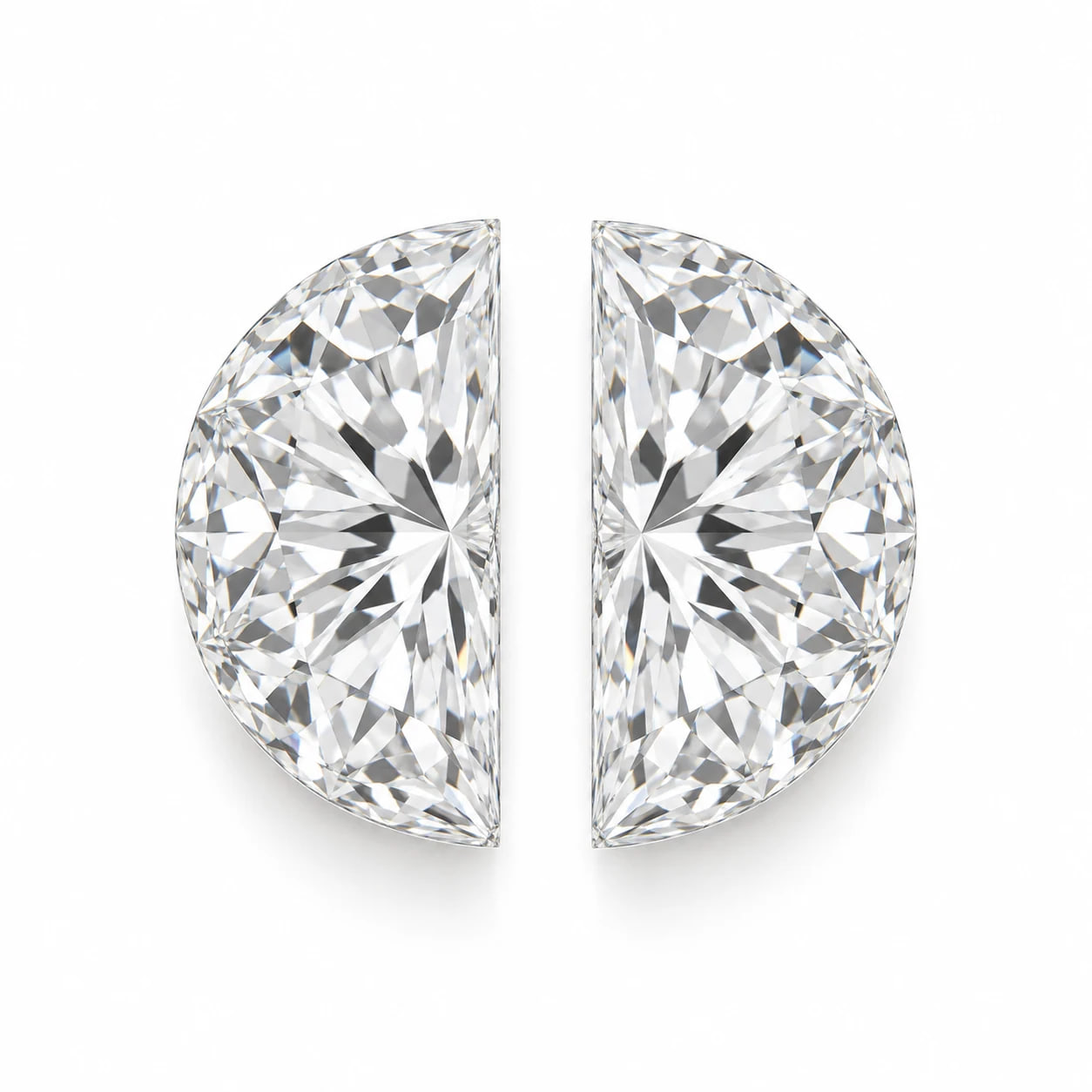
Lab-Grown Diamond Side Stones / SOURCING ON REQUEST
Mirrored D-shaped side diamonds, selected around the center outline and the curvature of your finished design.
Explore Product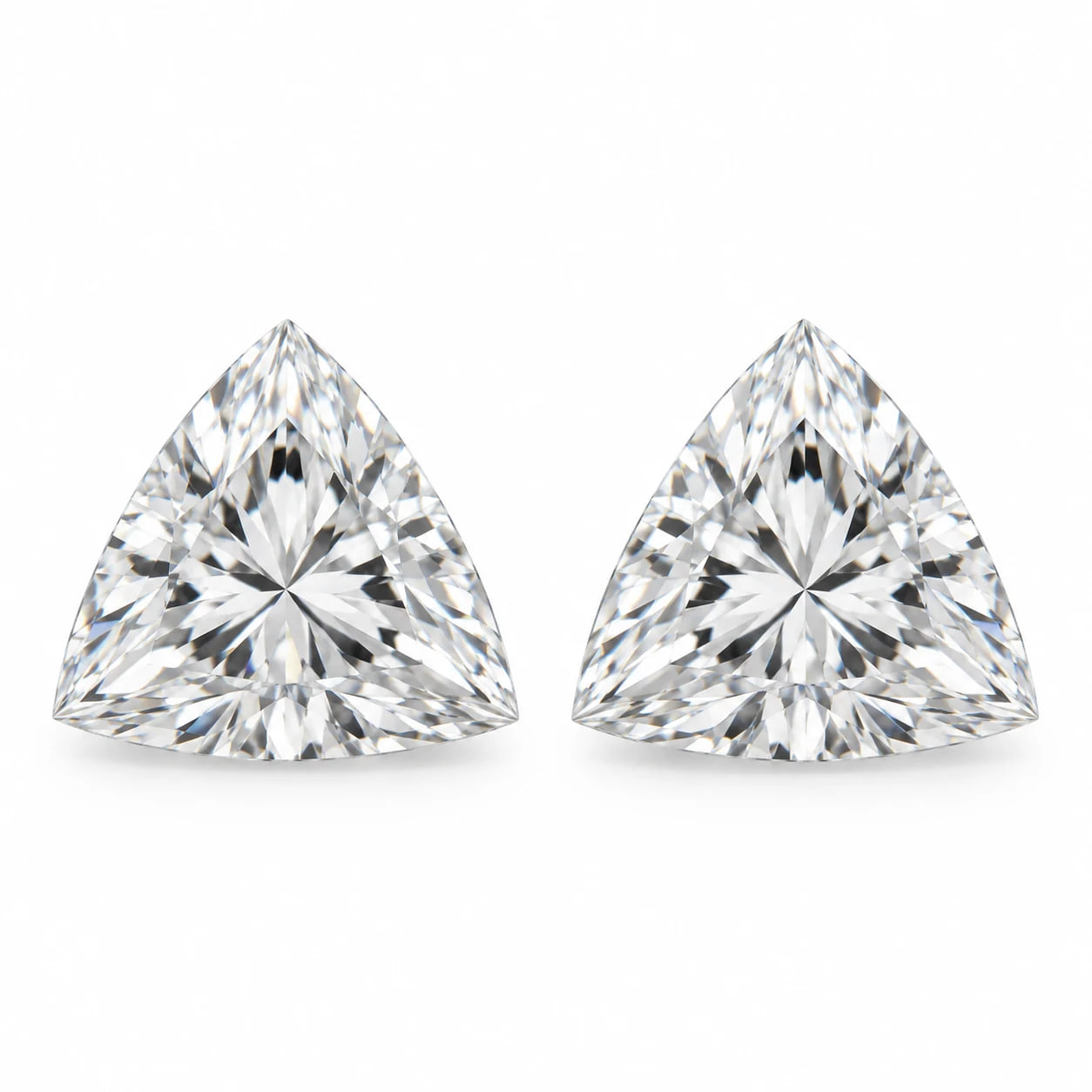
Lab-Grown Diamond Side Stones / SOURCING ON REQUEST
Triangular brilliant-style side stones for deliberate center framing, with edge shape and tip placement defined by your drawing.
Explore Product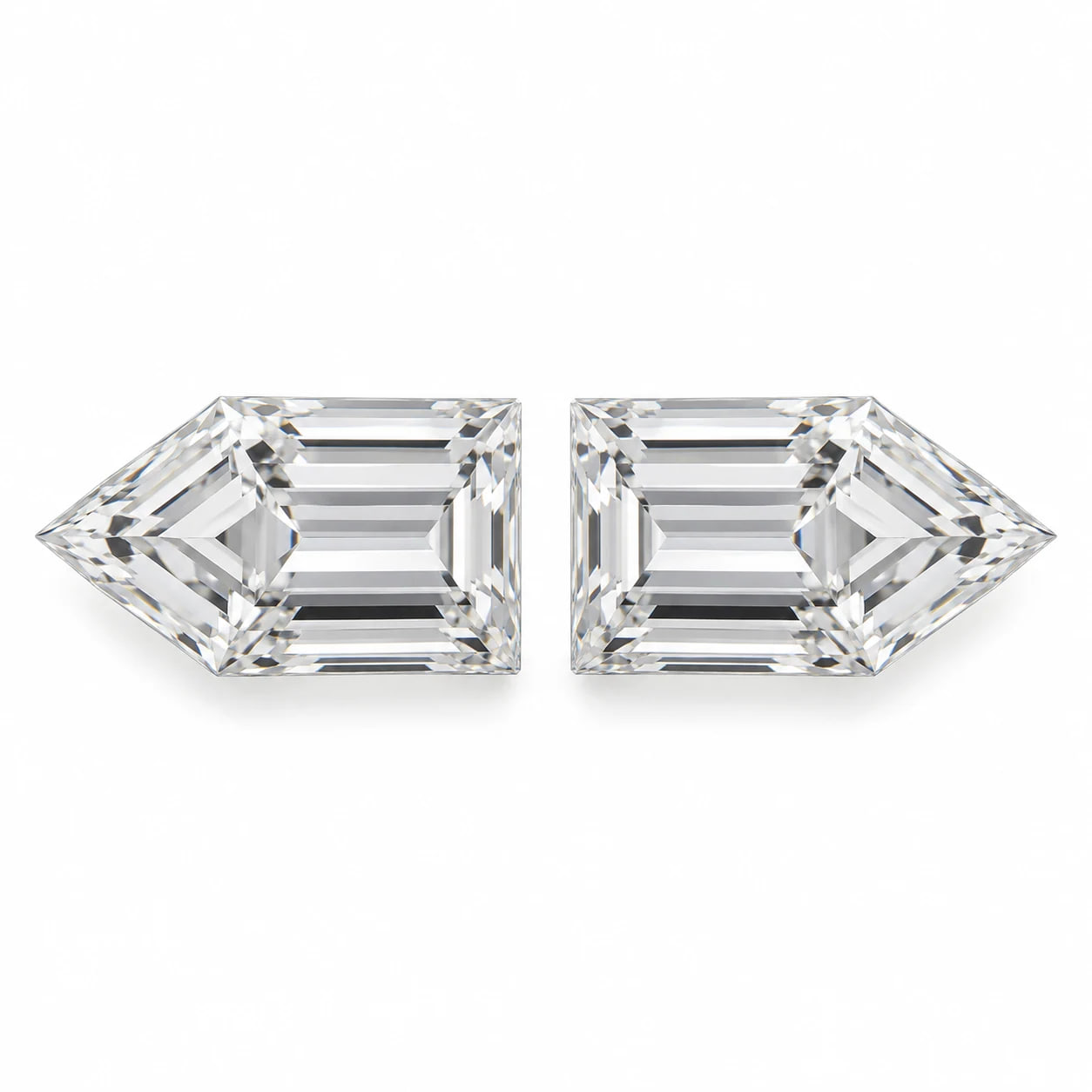
Lab-Grown Diamond Side Stones / SOURCING ON REQUEST
Elongated five-sided diamond accents, with a flat base and pointed end matched to the architecture of your setting.
Explore ProductMatched Lab-Grown Diamonds / SOURCING ON REQUEST
Two round loose diamonds reviewed together for earring programs, custom pairs and clearly defined repeat orders.
Explore ProductMatched Lab-Grown Diamonds / SOURCING ON REQUEST
Oval, pear and other same-shape loose diamond pairs, selected around outline consistency and your finished-design requirements.
Explore ProductMatched Lab-Grown Diamonds / SOURCING ON REQUEST
Counted same-size groups for collection layouts and repeat settings, built around agreed dimensions rather than nominal weight alone.
Explore ProductMatched Lab-Grown Diamonds / SOURCING ON REQUEST
Drawing-led sets with a deliberate size progression, supplied against a numbered design and an agreed approval sequence.
Explore Product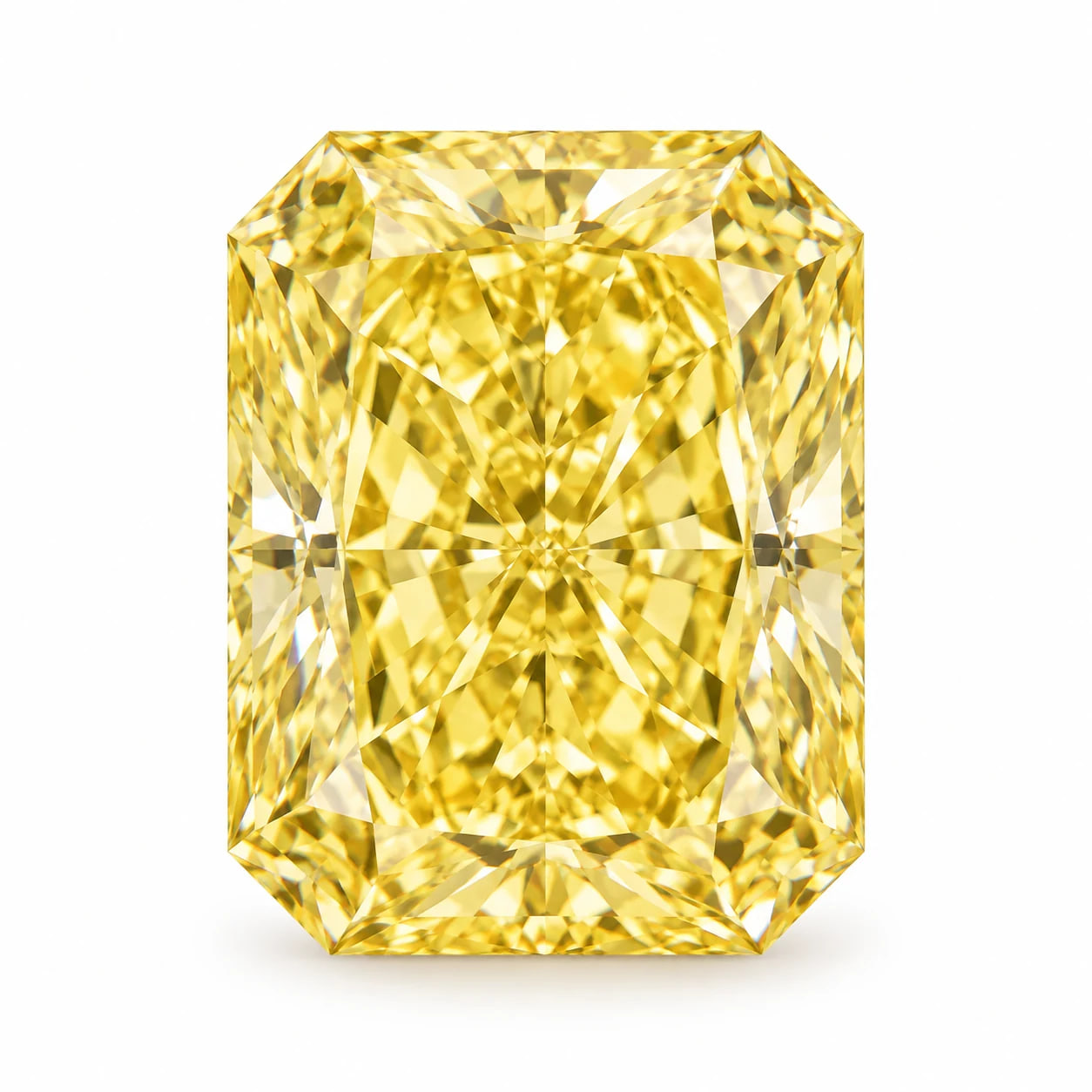
Fancy Color Lab-Grown Diamonds / SOURCING ON REQUEST
Yellow loose diamonds for design-led rings and pendants, with color appearance and supporting information reviewed stone by stone.
Explore Product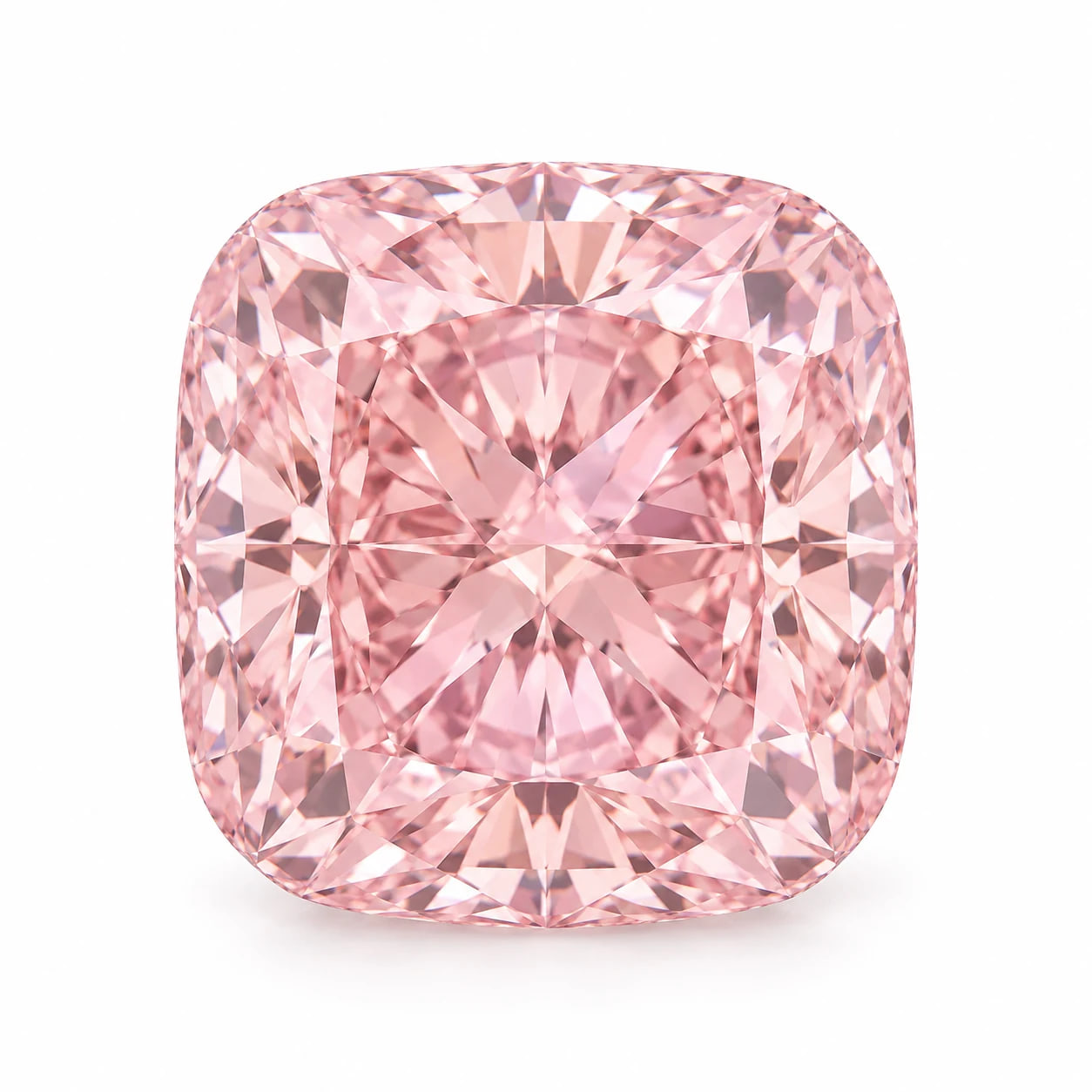
Fancy Color Lab-Grown Diamonds / SOURCING ON REQUEST
Pink loose diamonds for bespoke color designs, with the actual hue, outline and supporting documentation reviewed before selection.
Explore Product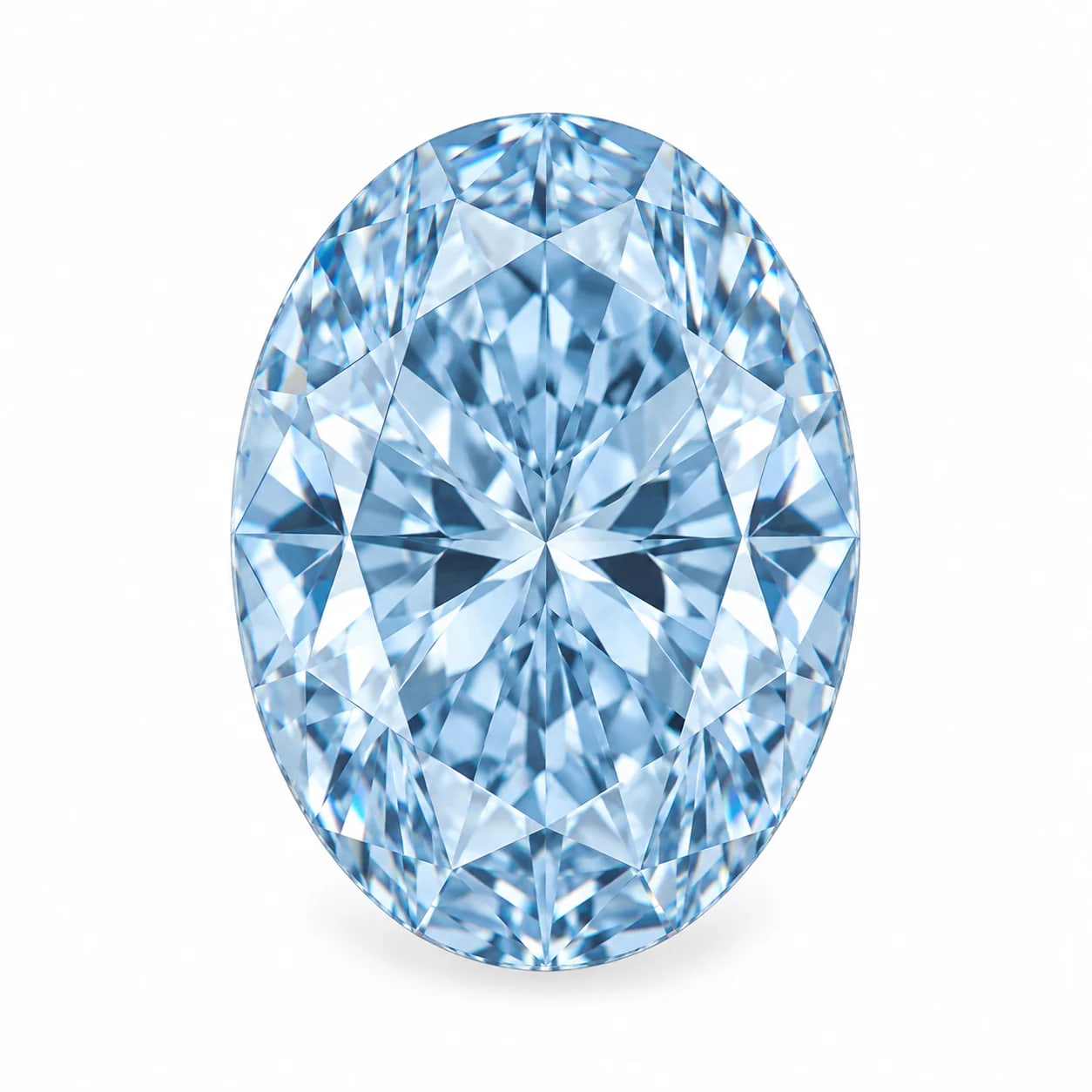
Fancy Color Lab-Grown Diamonds / SOURCING ON REQUEST
Blue loose diamonds for distinctive rings and pendants, evaluated through actual color, dimensions and disclosed stone information.
Explore Product