 English
 Español
 Português
 Deutsch
 Français
 Italiano
 Nederlands
 العربية
 日本語
 한국어
 ไทย
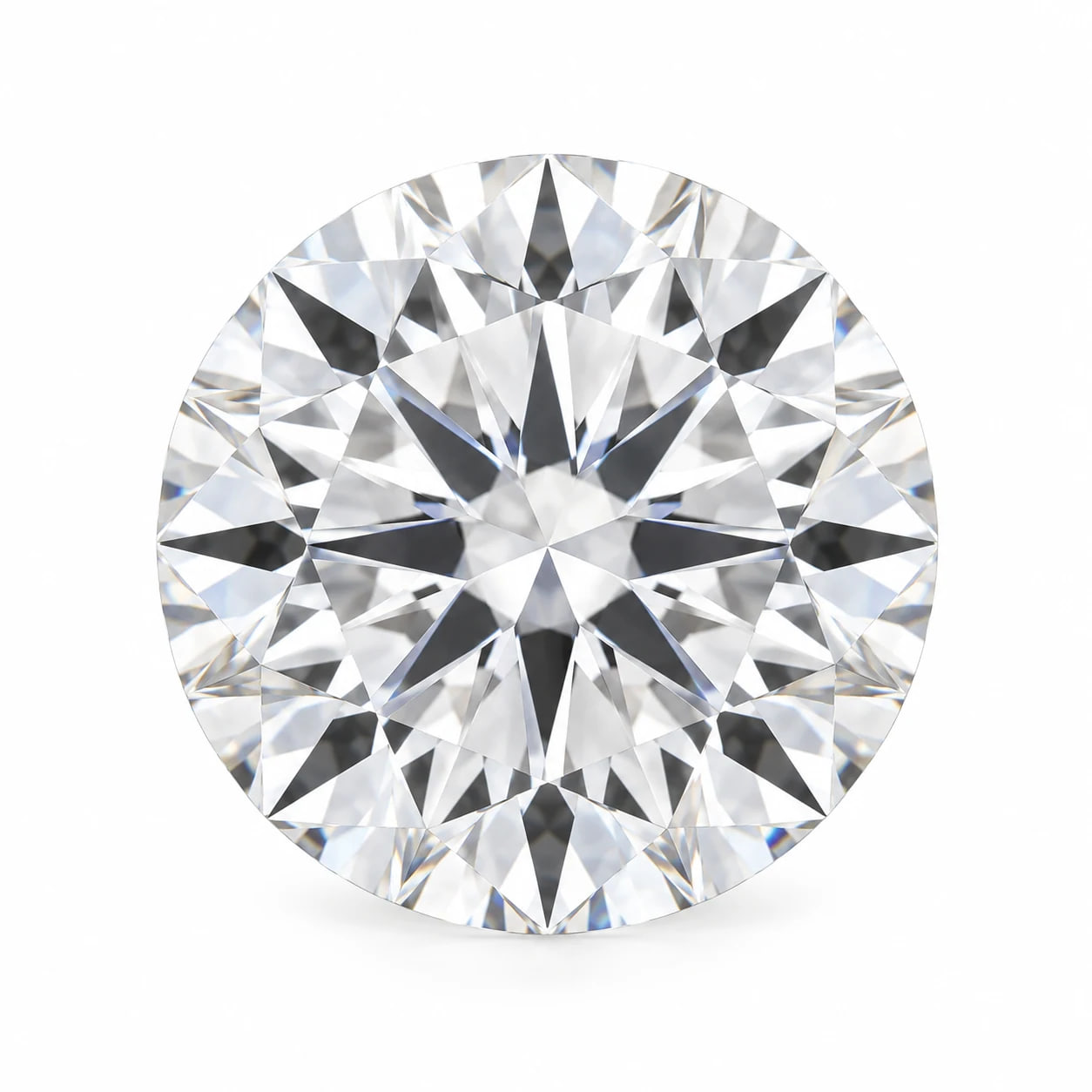
Loose Lab-Grown Diamonds / SOURCING ON REQUEST
Round Brilliant Lab-Grown Diamonds Wholesale
Specify round brilliant center stones and matching pairs by diameter, report details and face-up appearance for your next jewellery order.
Explore ProductMEITUO / Product sourcing collection
From a single center stone to a coordinated collection. Find the product format that fits your buying brief.
Actual availability confirmed by enquiry
Define the product family
Wholesale lab-grown diamond sourcing starts with what your business needs to make, rather than a long list of grades. A solitaire center stone, a bag of pave melee and a matched earring pair are different purchasing tasks. MEITUO brings these tasks into one product catalogue, with technical details and practical questions for the selection. Browse by product family, then compare the measurements, visual criteria and document requirements that affect your design. The catalogue describes sourcing options, not a live stock feed. Availability and commercial terms are reviewed against the actual brief.
Browse the product options
26 product groups
Sourcing options, not a live stock list
Loose Lab-Grown Diamonds / SOURCING ON REQUEST
Specify round brilliant center stones and matching pairs by diameter, report details and face-up appearance for your next jewellery order.
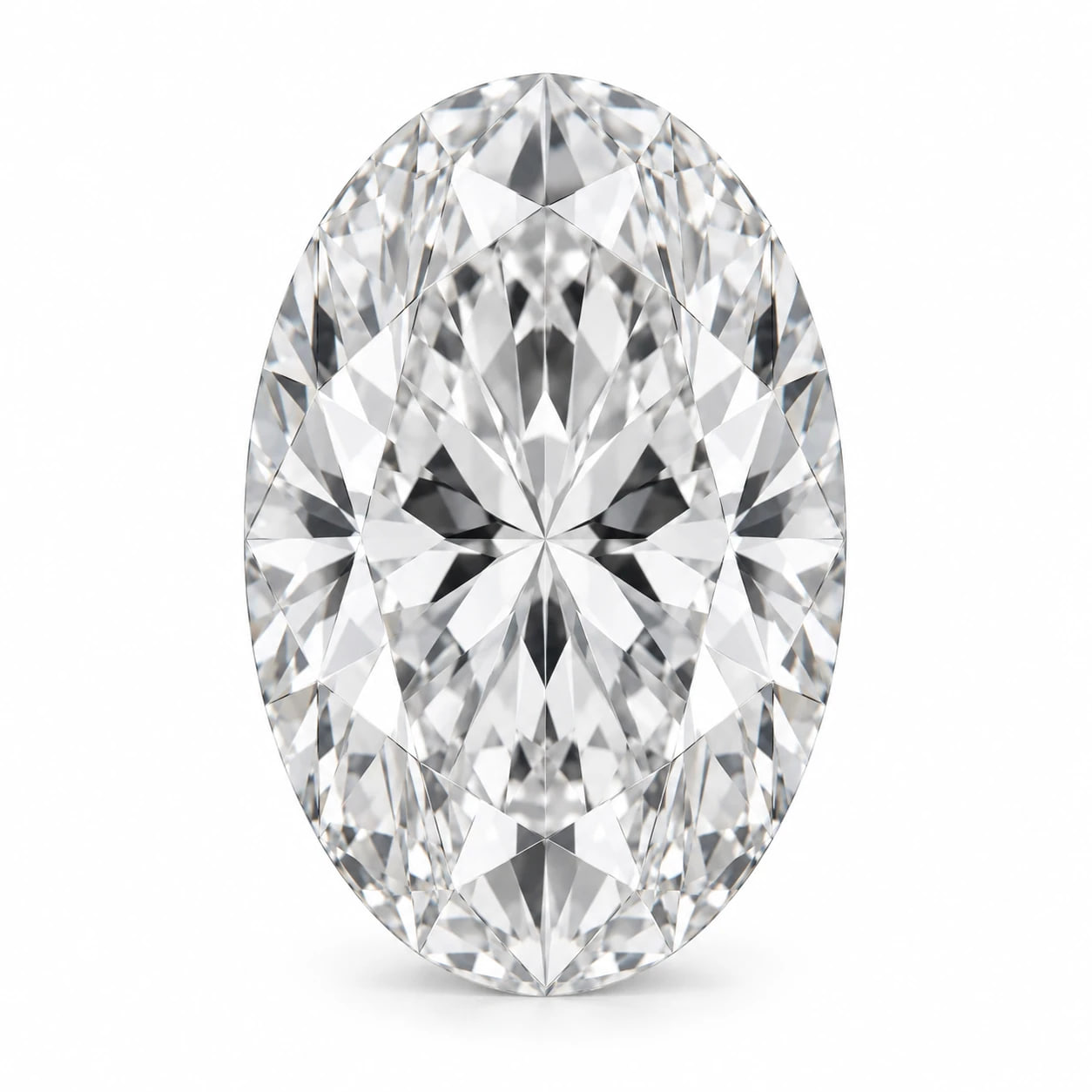
Explore ProductLoose Lab-Grown Diamonds / SOURCING ON REQUEST
Source loose oval center stones and matched pairs for bridal collections, bespoke jewellery and repeat business orders.
Explore Product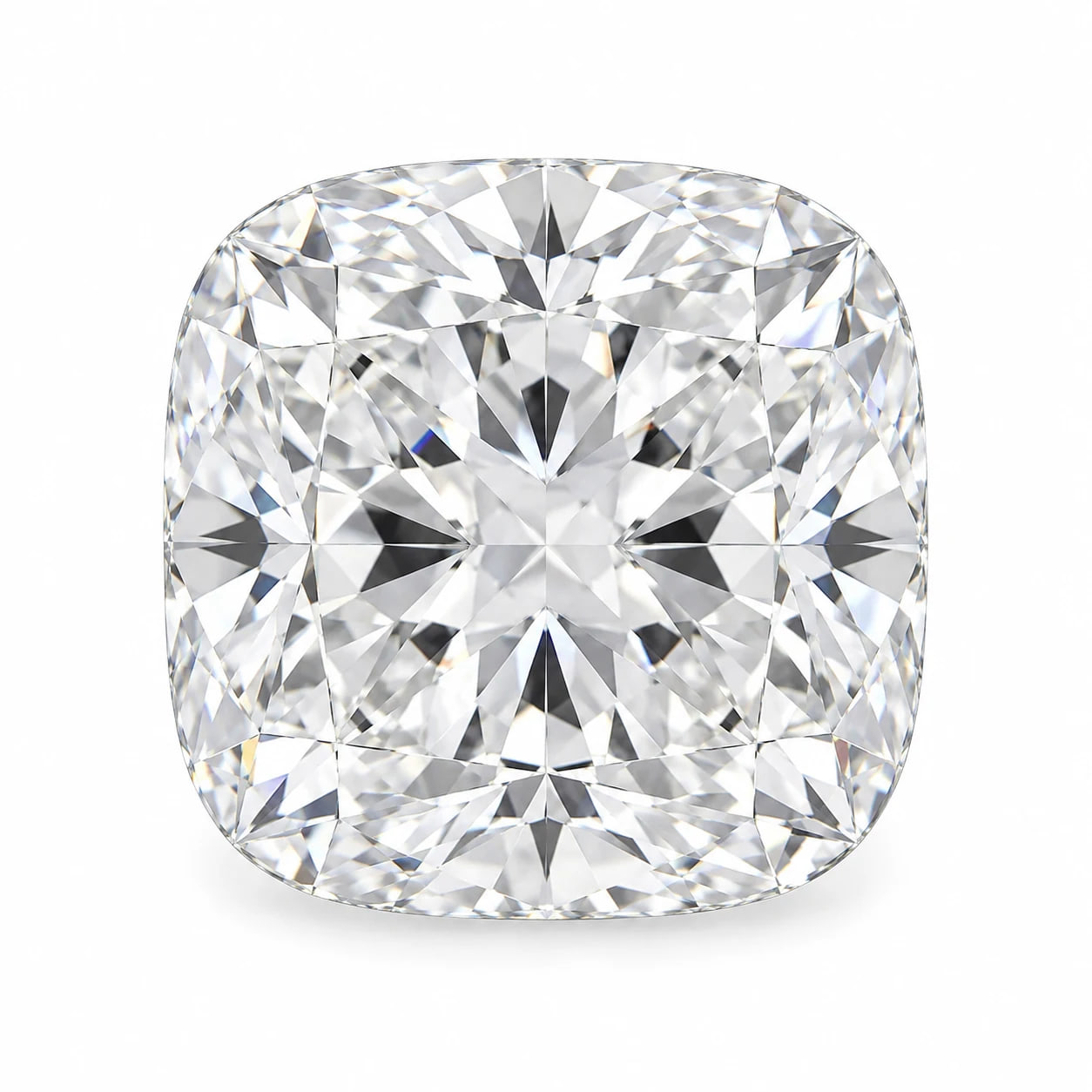
Loose Lab-Grown Diamonds / SOURCING ON REQUEST
Build a cushion-cut diamond brief around square or elongated outlines, facet appearance and the dimensions of your finished design.
Explore Product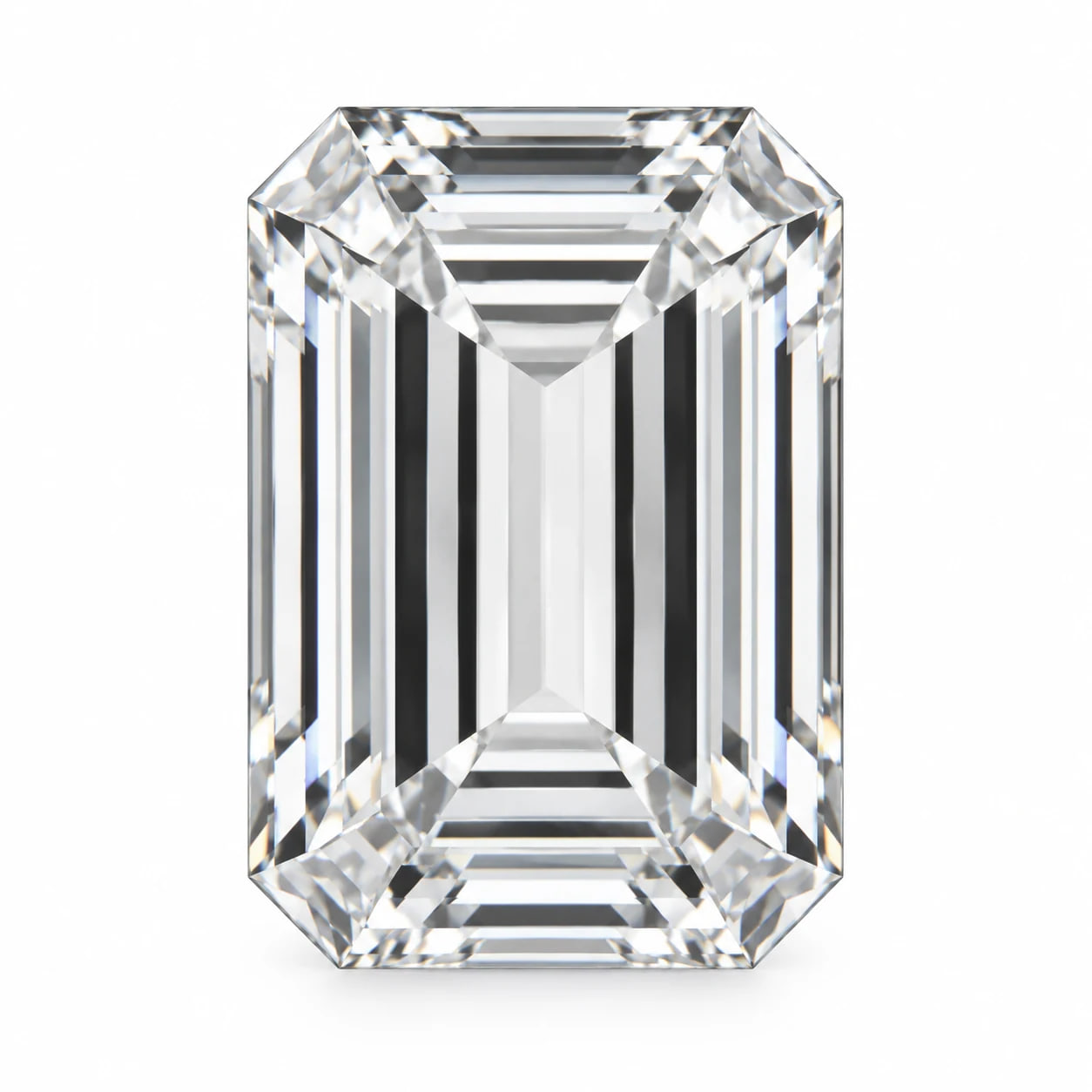
Loose Lab-Grown Diamonds / SOURCING ON REQUEST
Select emerald-cut lab-grown diamonds through step-facet appearance, clipped-corner outline and setting dimensions, with documentation reviewed stone by stone.
Explore Product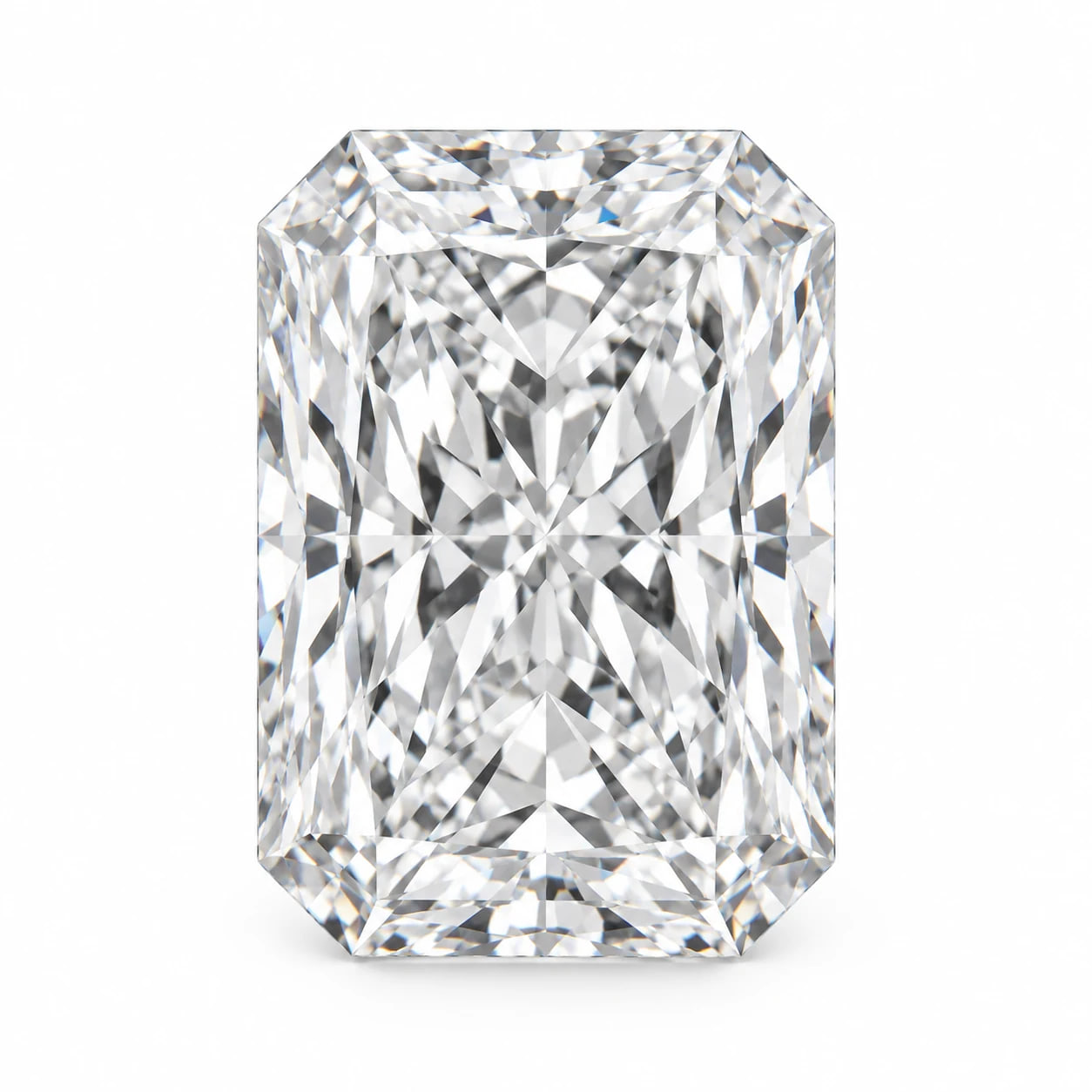
Loose Lab-Grown Diamonds / SOURCING ON REQUEST
Brief radiant-cut lab-grown diamonds by square or rectangular outline, clipped corners, face-up pattern and the requirements of the intended mount.
Explore Product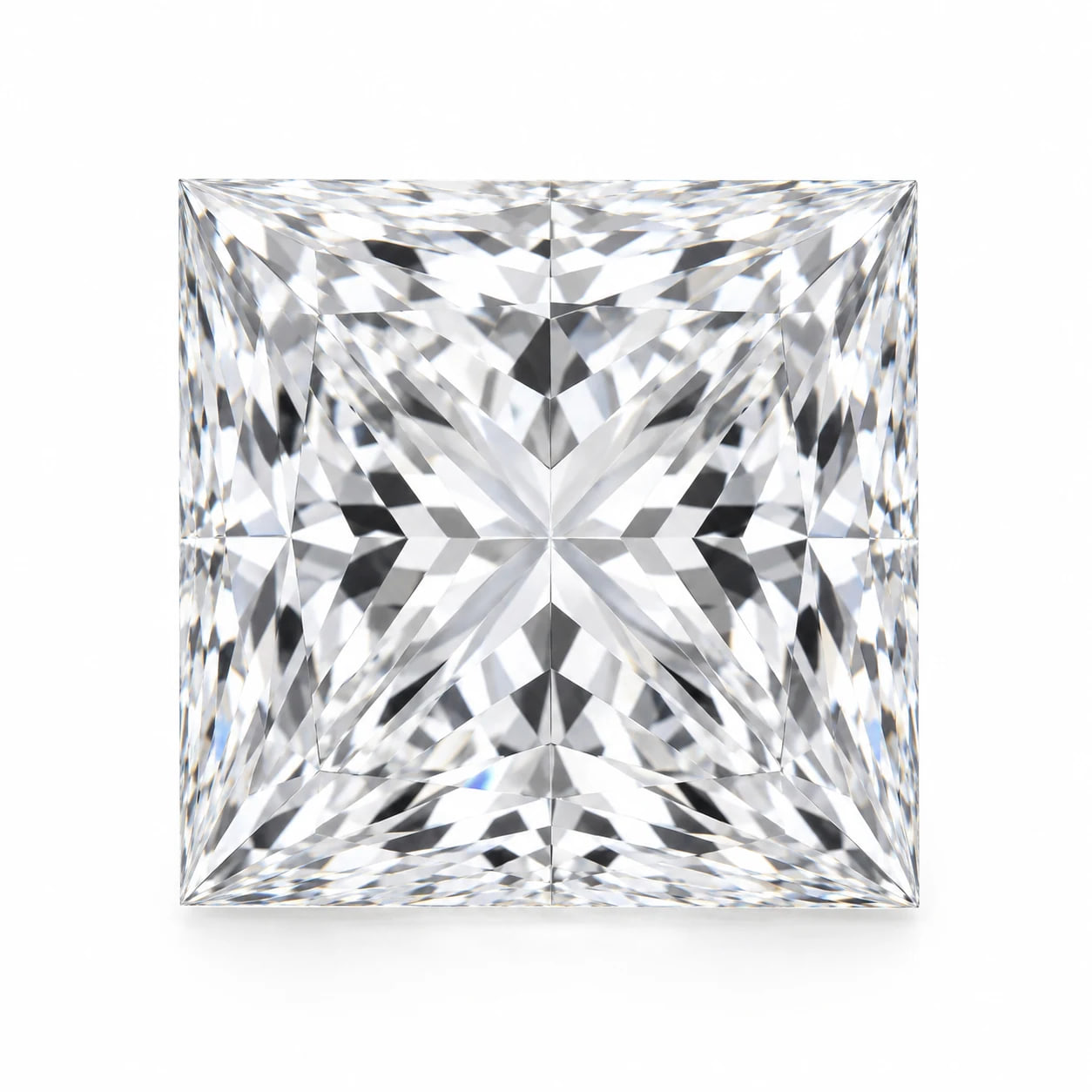
Loose Lab-Grown Diamonds / SOURCING ON REQUEST
Source princess-cut lab-grown diamonds with clear edge dimensions, corner-support requirements and matched-pair criteria for rings, studs and repeat designs.
Explore Product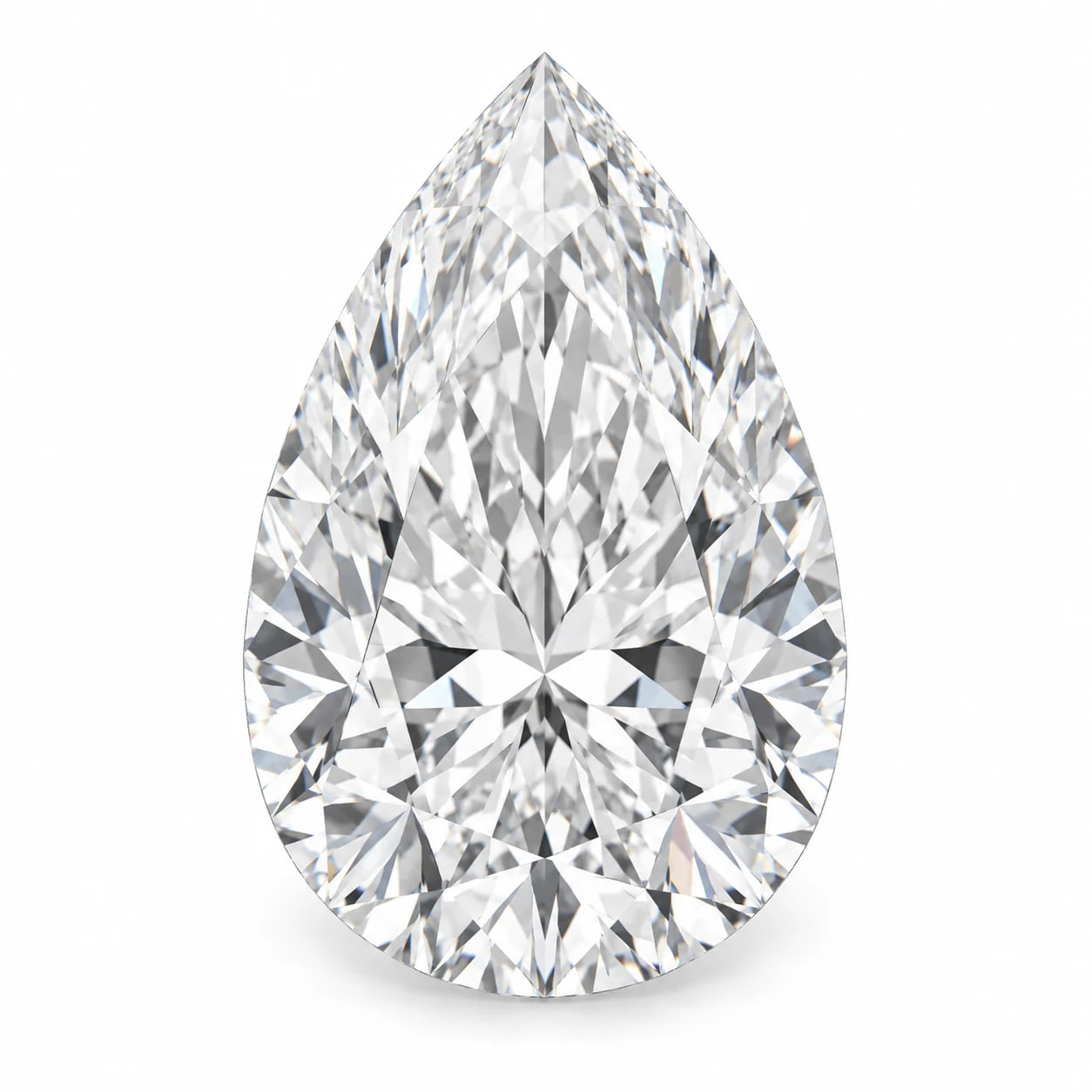
Loose Lab-Grown Diamonds / SOURCING ON REQUEST
Plan pear-shaped lab-grown diamond sourcing around the point, shoulder balance, setting orientation and matching requirements of your finished jewellery.
Explore Product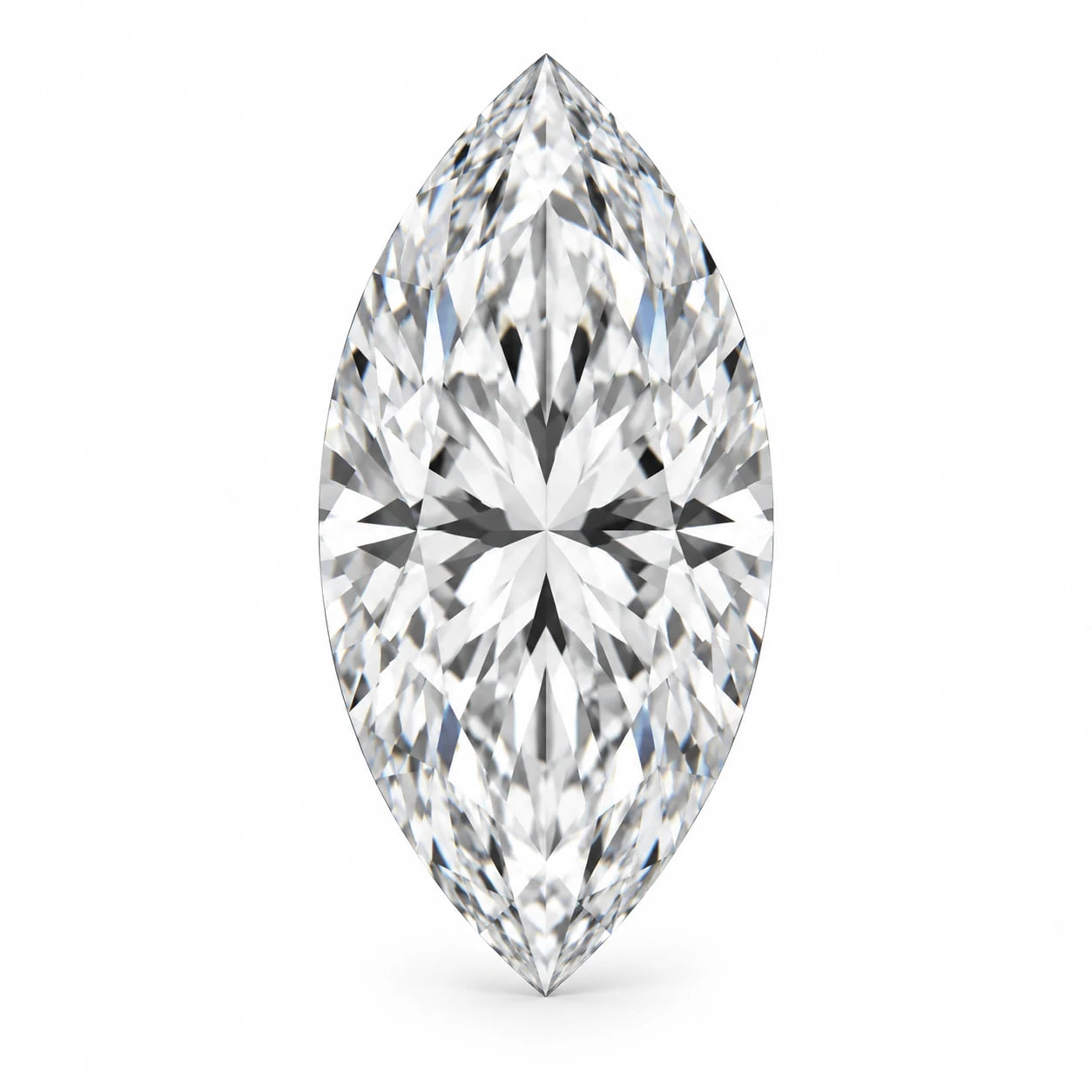
Loose Lab-Grown Diamonds / SOURCING ON REQUEST
Specify marquise lab-grown diamonds through aligned points, balanced shoulders, face-up appearance and the orientation of your ring or earring design.
Explore Product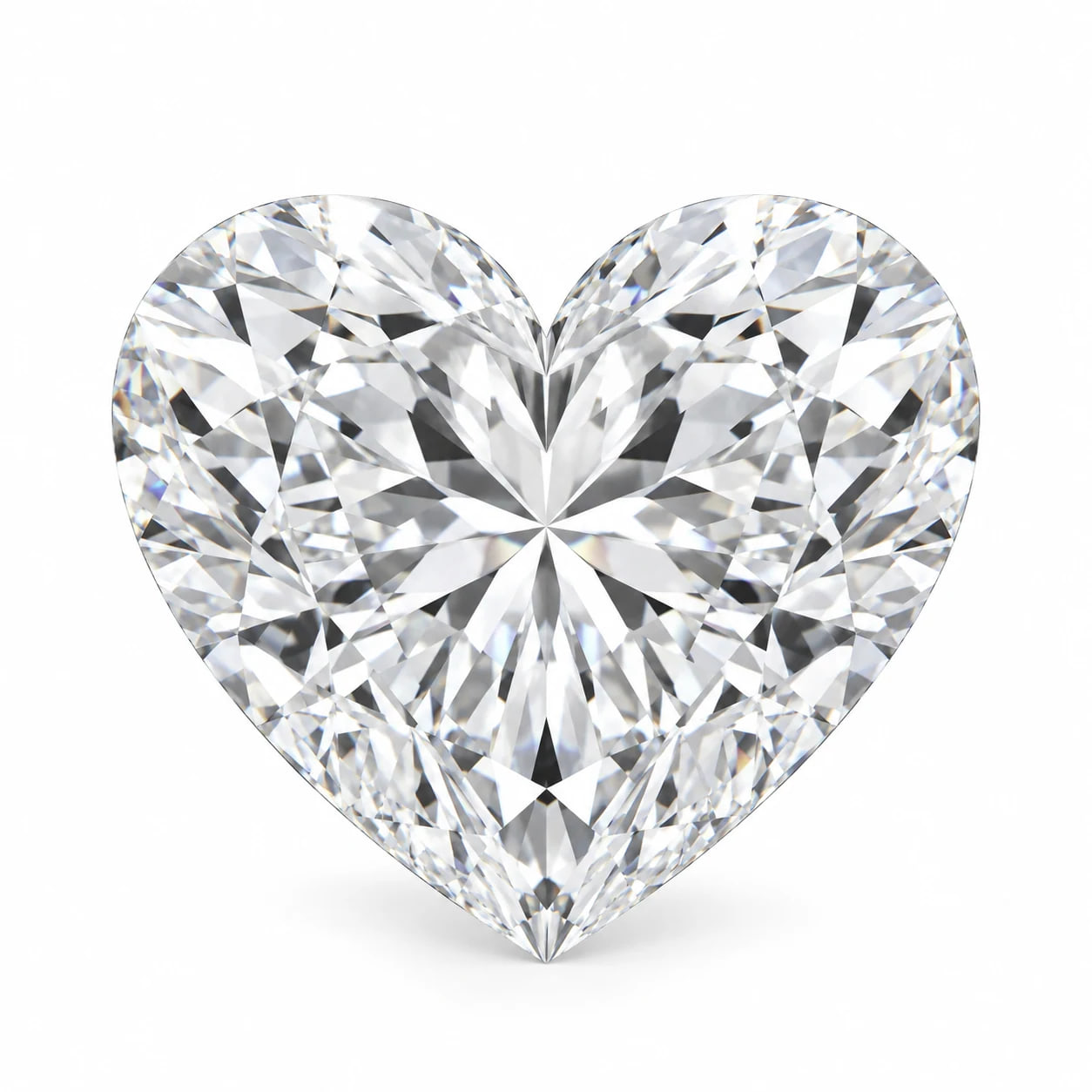
Loose Lab-Grown Diamonds / SOURCING ON REQUEST
Source heart-shaped lab-grown diamonds with a clear cleft, balanced lobes and agreed orientation for rings, pendants and matched design projects.
Explore Product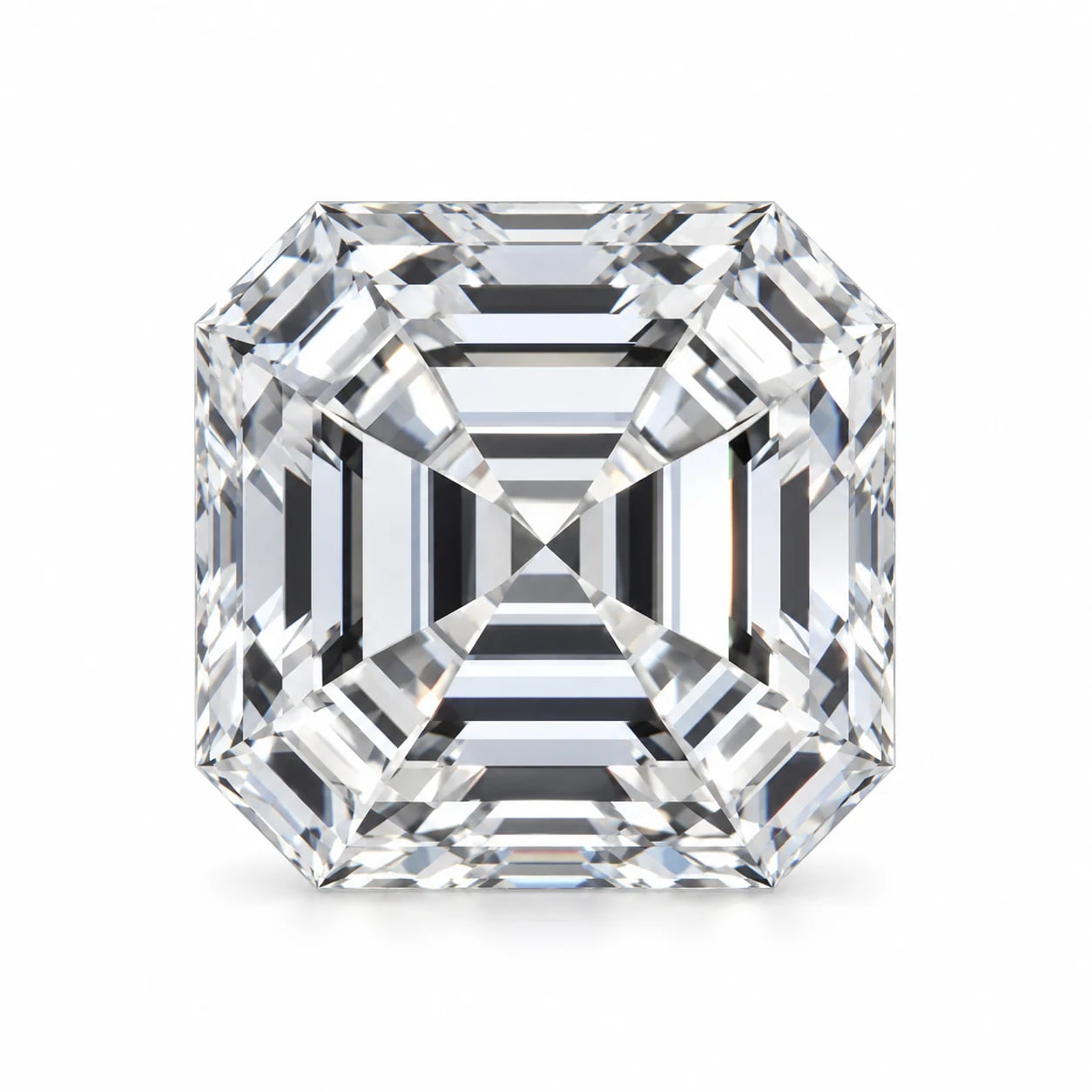
Loose Lab-Grown Diamonds / SOURCING ON REQUEST
Define Asscher-cut lab-grown diamond sourcing through square step geometry, clipped corners, depth and the appearance standard of your design.
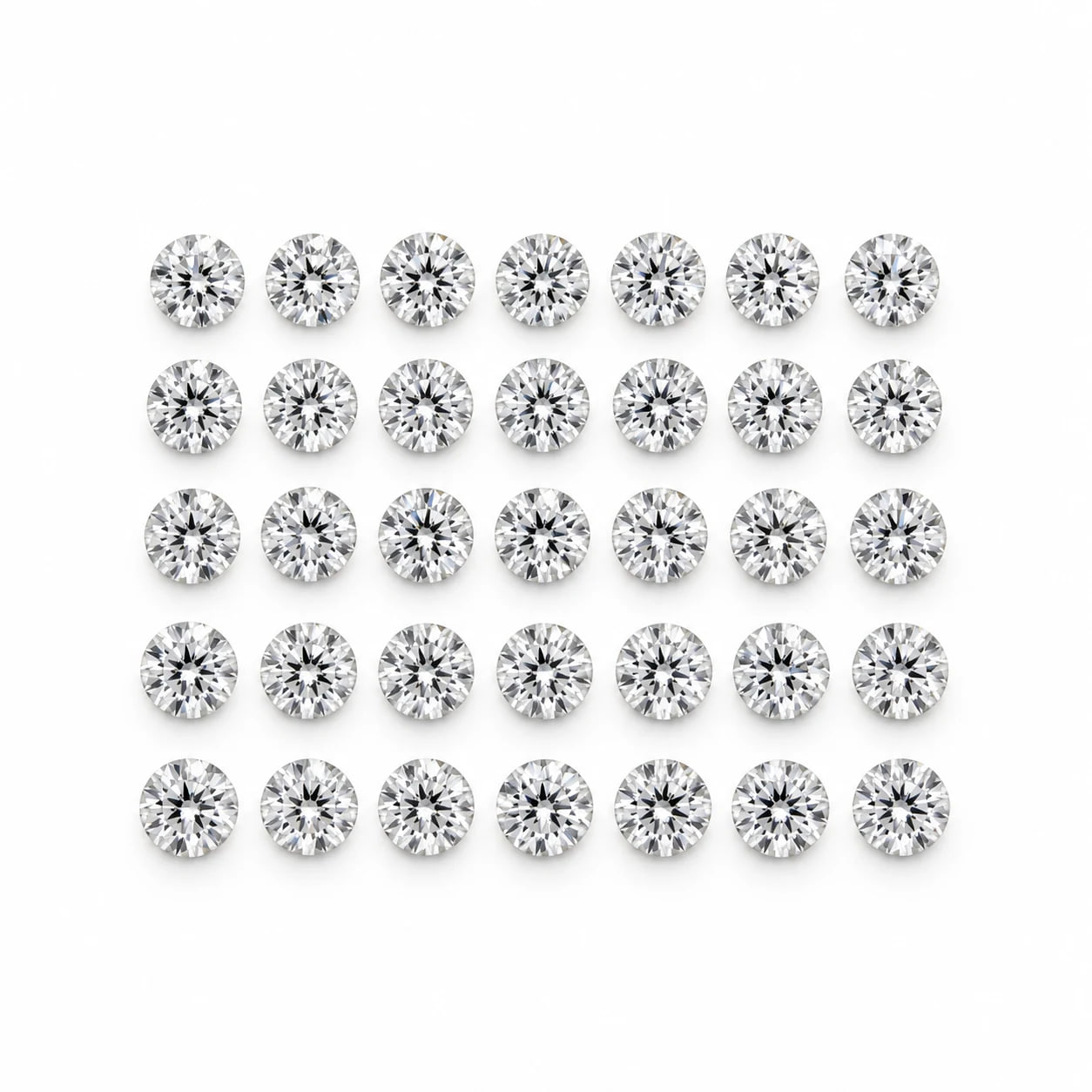
Explore ProductLab-Grown Melee Diamonds / SOURCING ON REQUEST
Calibrated small round diamonds for pavé, halos and repeat production, specified by size range and parcel requirements.
Explore Product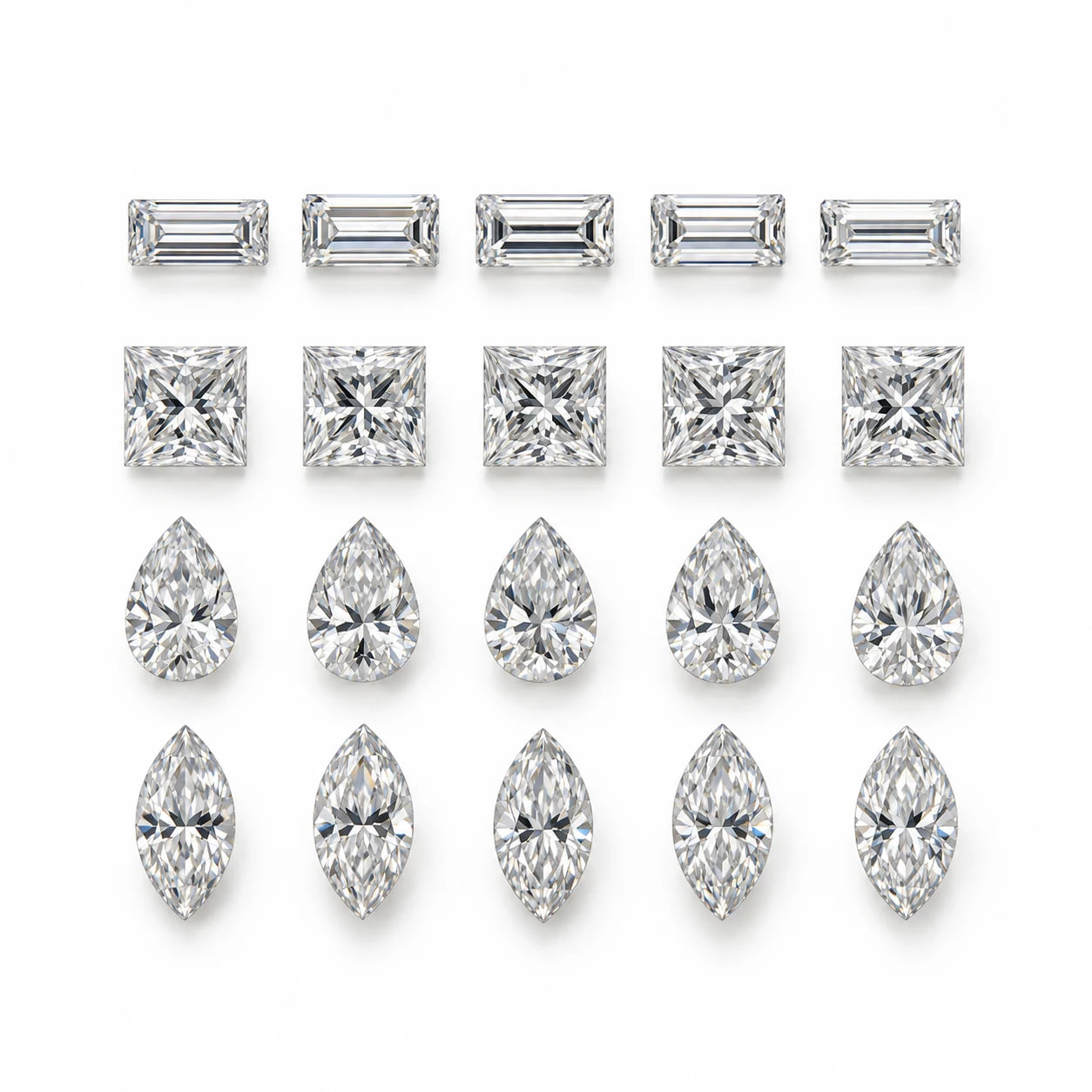
Lab-Grown Melee Diamonds / SOURCING ON REQUEST
Small princess, marquise, pear and baguette diamonds, sourced against the dimensions and orientation of your design.
Explore Product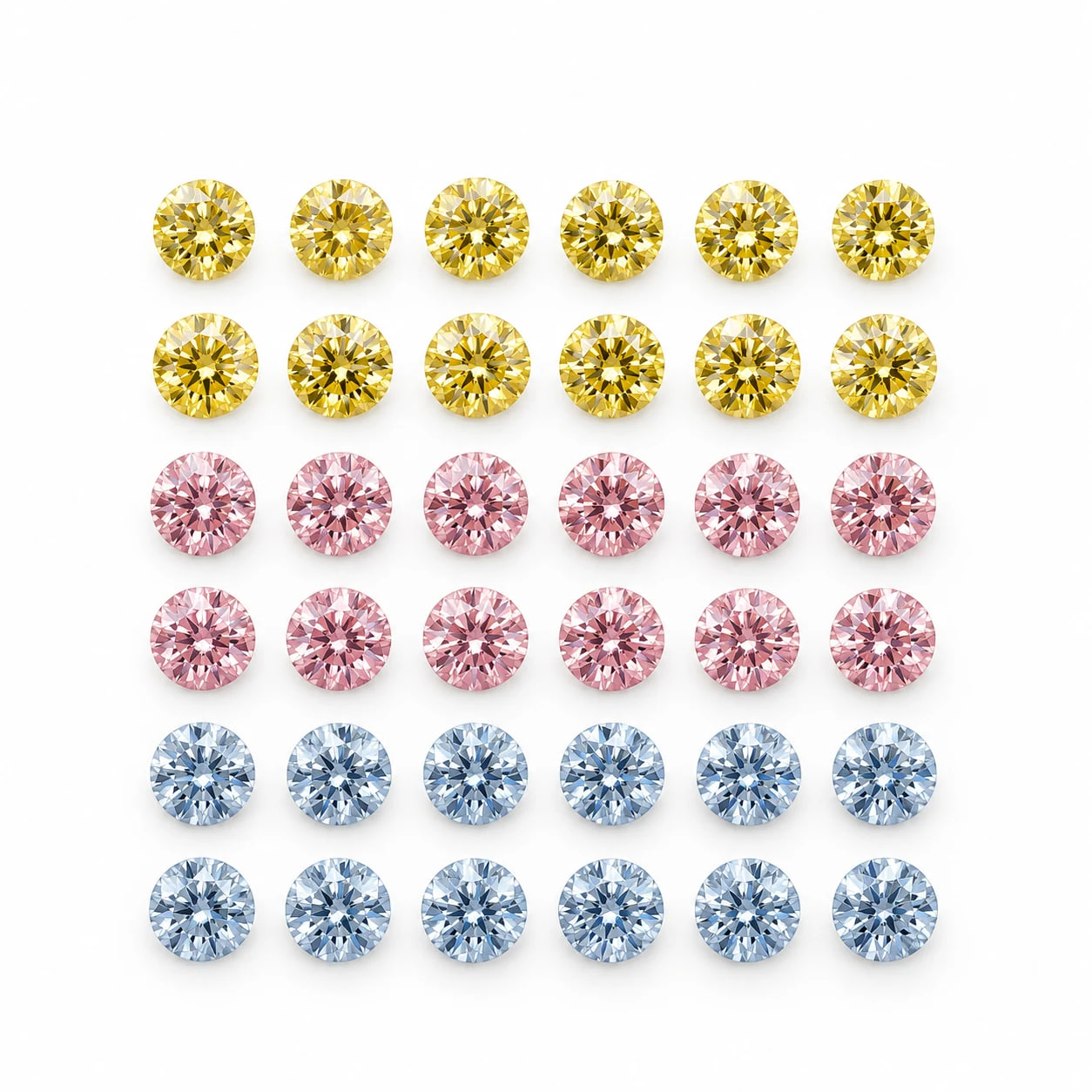
Lab-Grown Melee Diamonds / SOURCING ON REQUEST
Small colored diamonds for pavé and accent work, with hue, size and batch consistency defined before sourcing.
Explore Product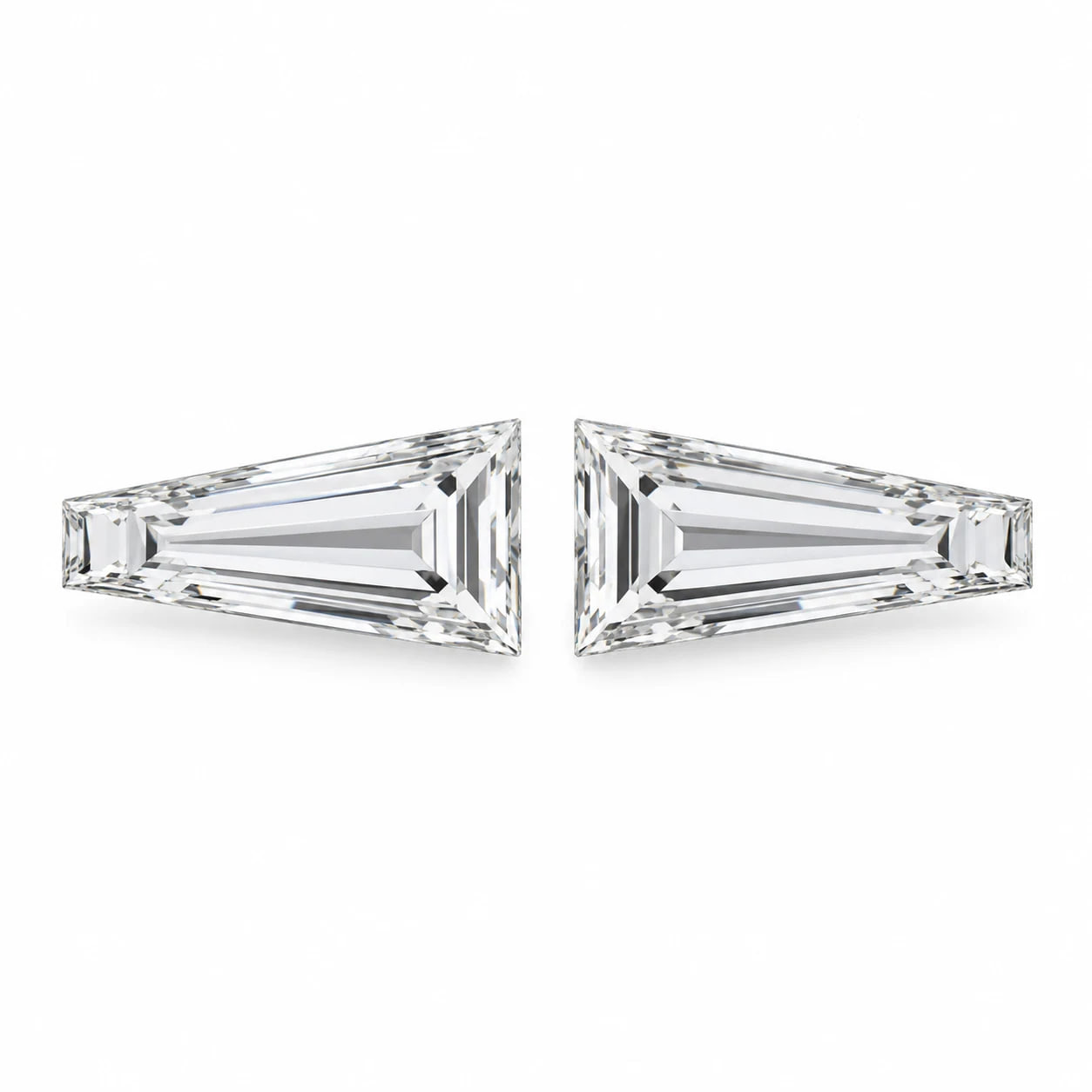
Lab-Grown Diamond Side Stones / SOURCING ON REQUEST
Slender step-cut side stones, tapered and paired to frame a center stone with clear geometric balance.
Explore Product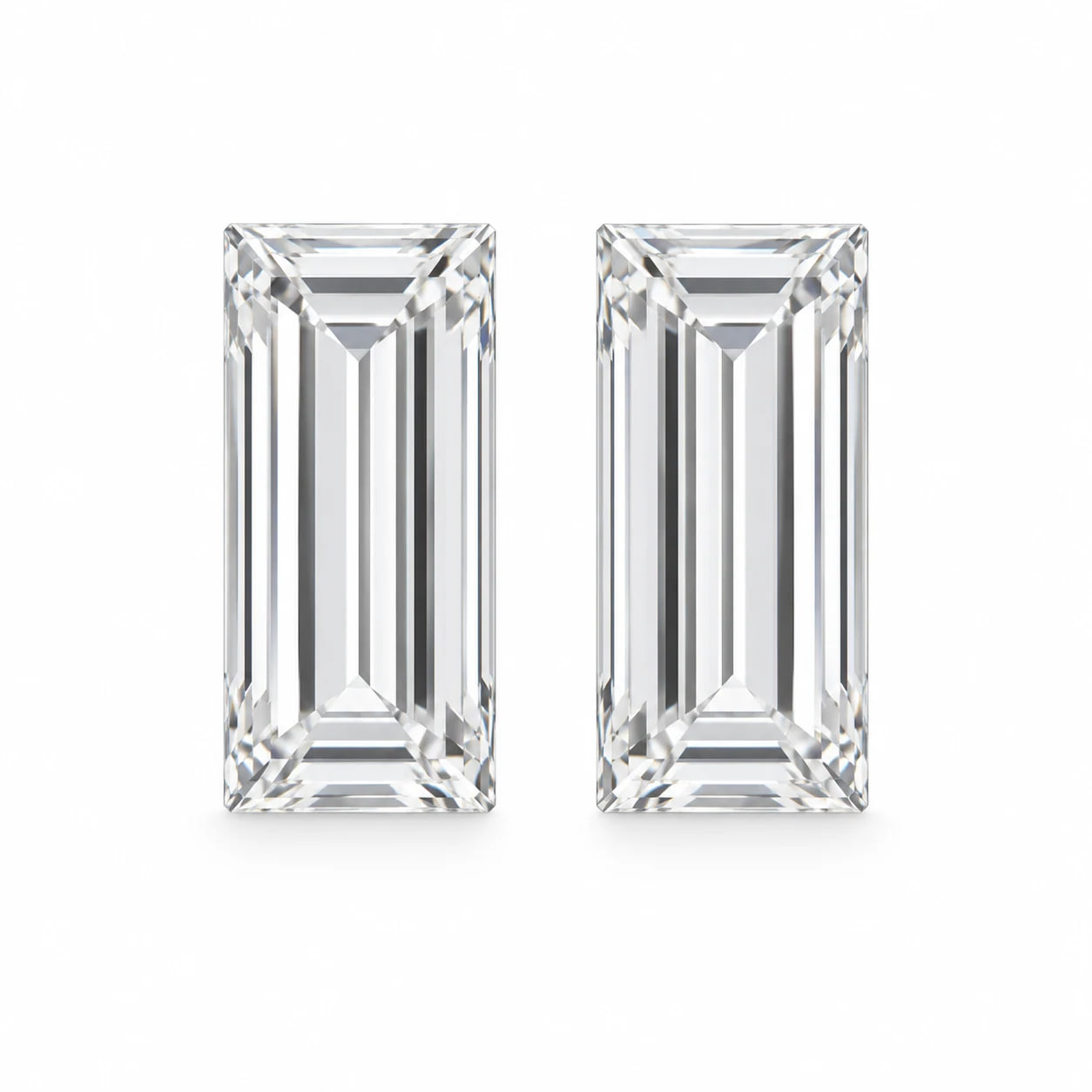
Lab-Grown Diamond Side Stones / SOURCING ON REQUEST
Clean rectangular step-cut diamonds for linear accents, channel layouts and precisely specified side-stone pairs.
Explore Product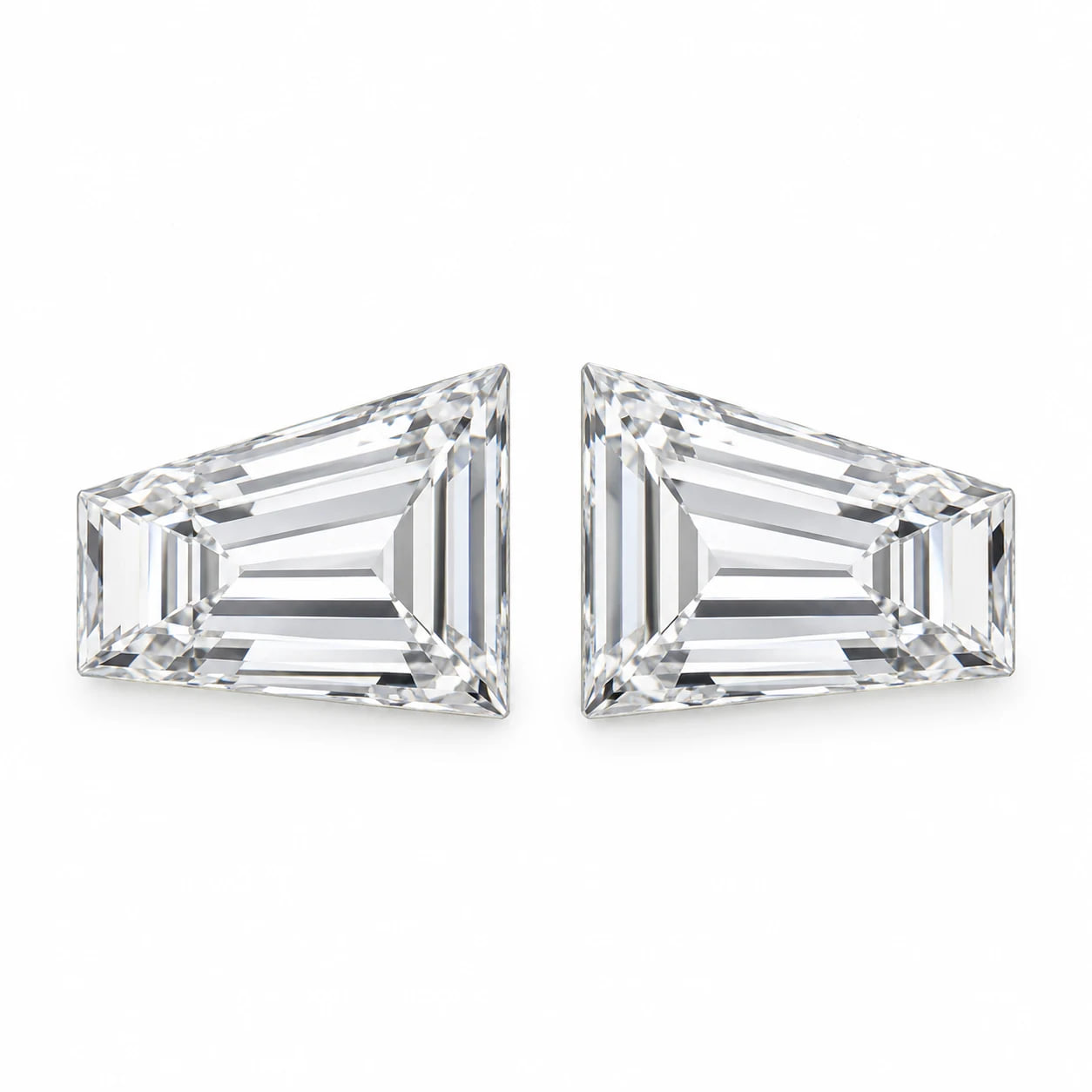
Lab-Grown Diamond Side Stones / SOURCING ON REQUEST
Broad geometric side stones for three-stone designs, sourced from an explicit outline and paired-layout reference.
Explore Product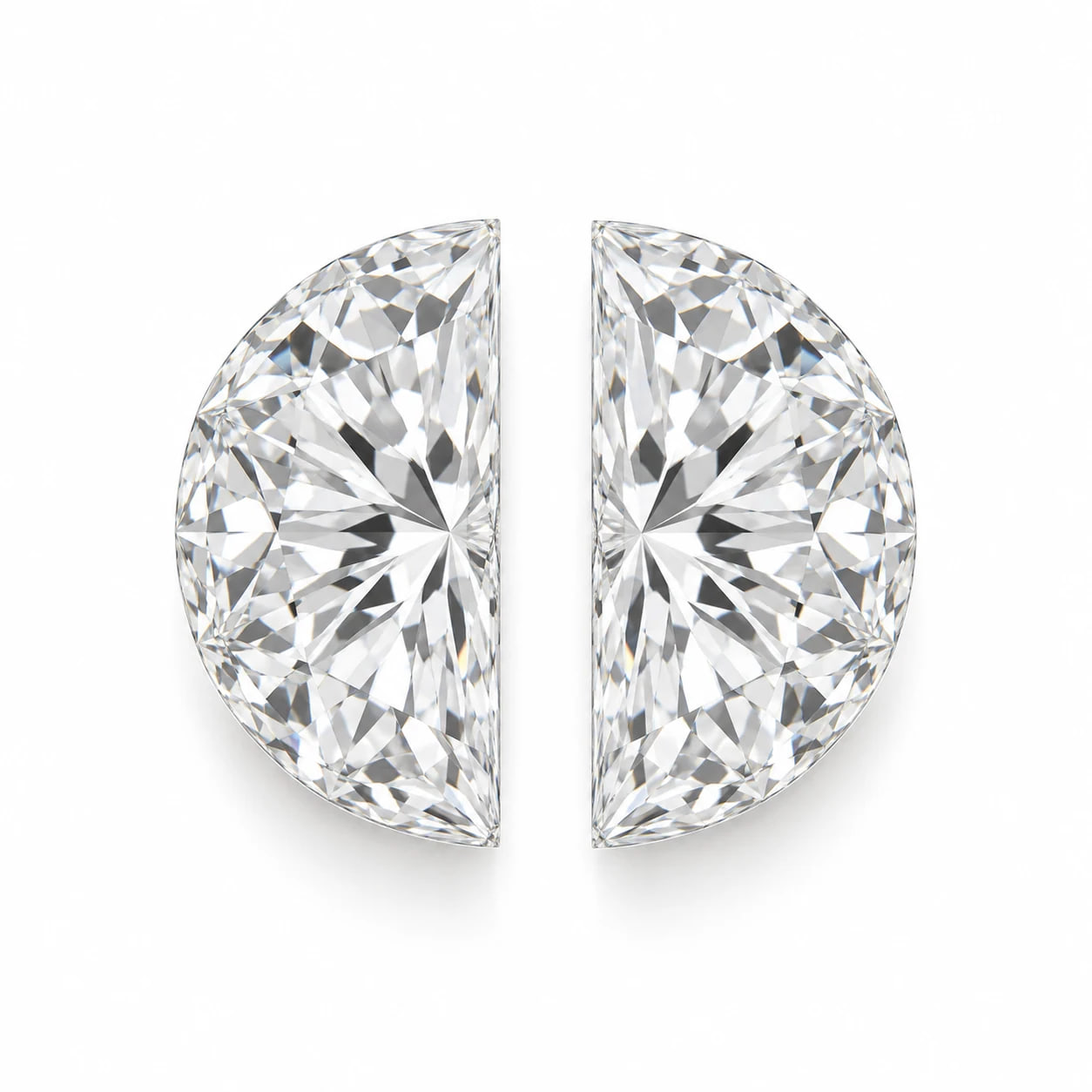
Lab-Grown Diamond Side Stones / SOURCING ON REQUEST
Mirrored D-shaped side diamonds, selected around the center outline and the curvature of your finished design.
Explore Product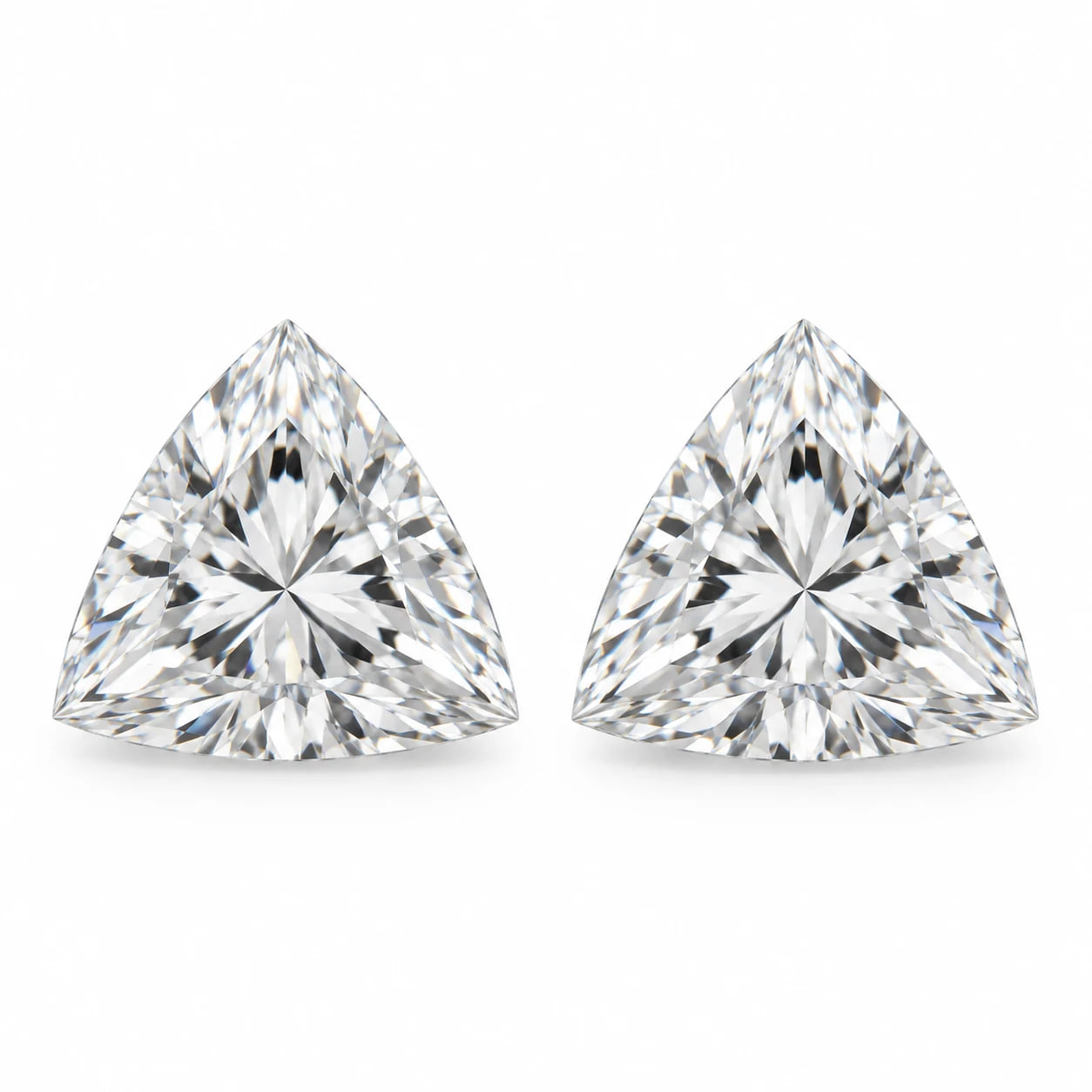
Lab-Grown Diamond Side Stones / SOURCING ON REQUEST
Triangular brilliant-style side stones for deliberate center framing, with edge shape and tip placement defined by your drawing.
Explore Product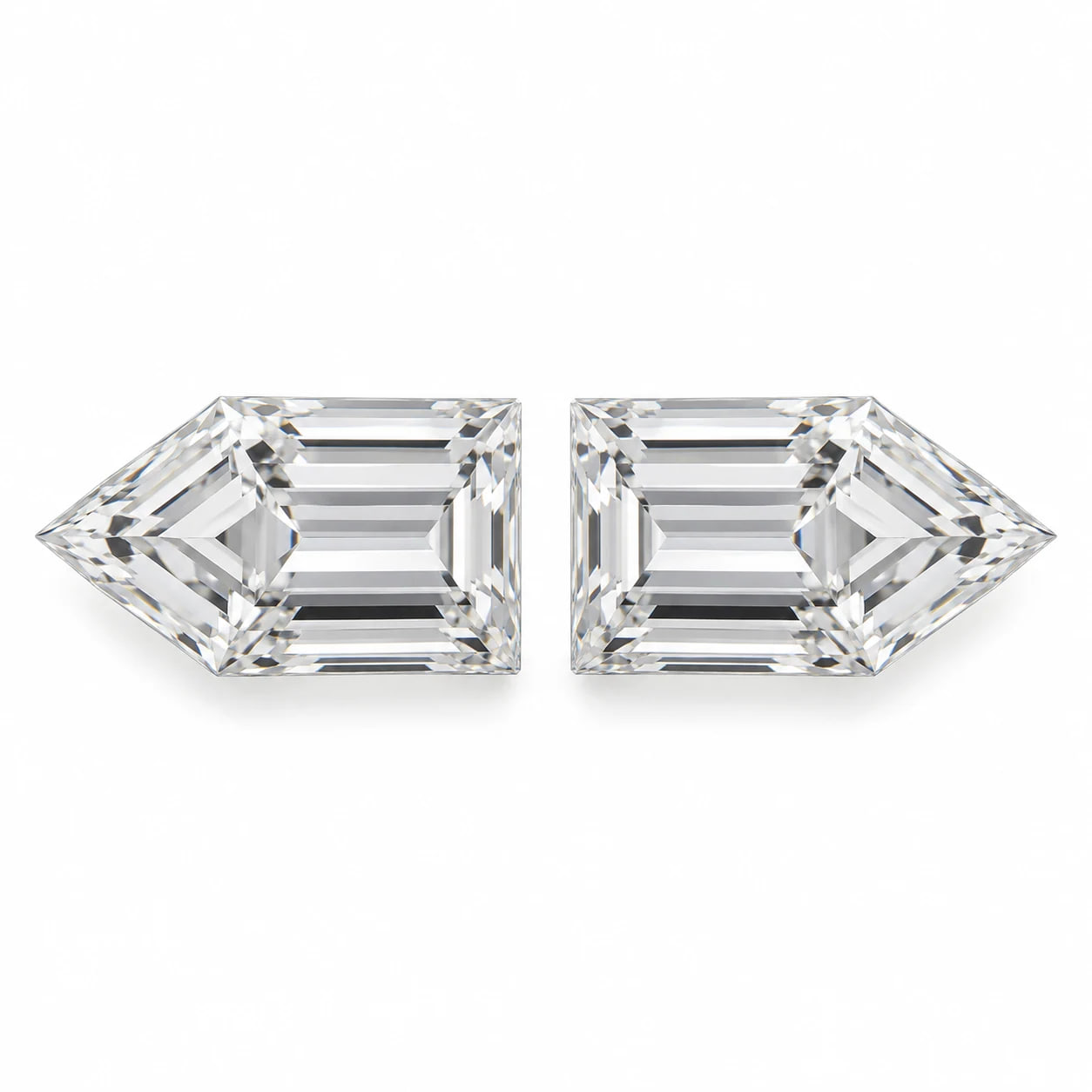
Lab-Grown Diamond Side Stones / SOURCING ON REQUEST
Elongated five-sided diamond accents, with a flat base and pointed end matched to the architecture of your setting.
Explore Product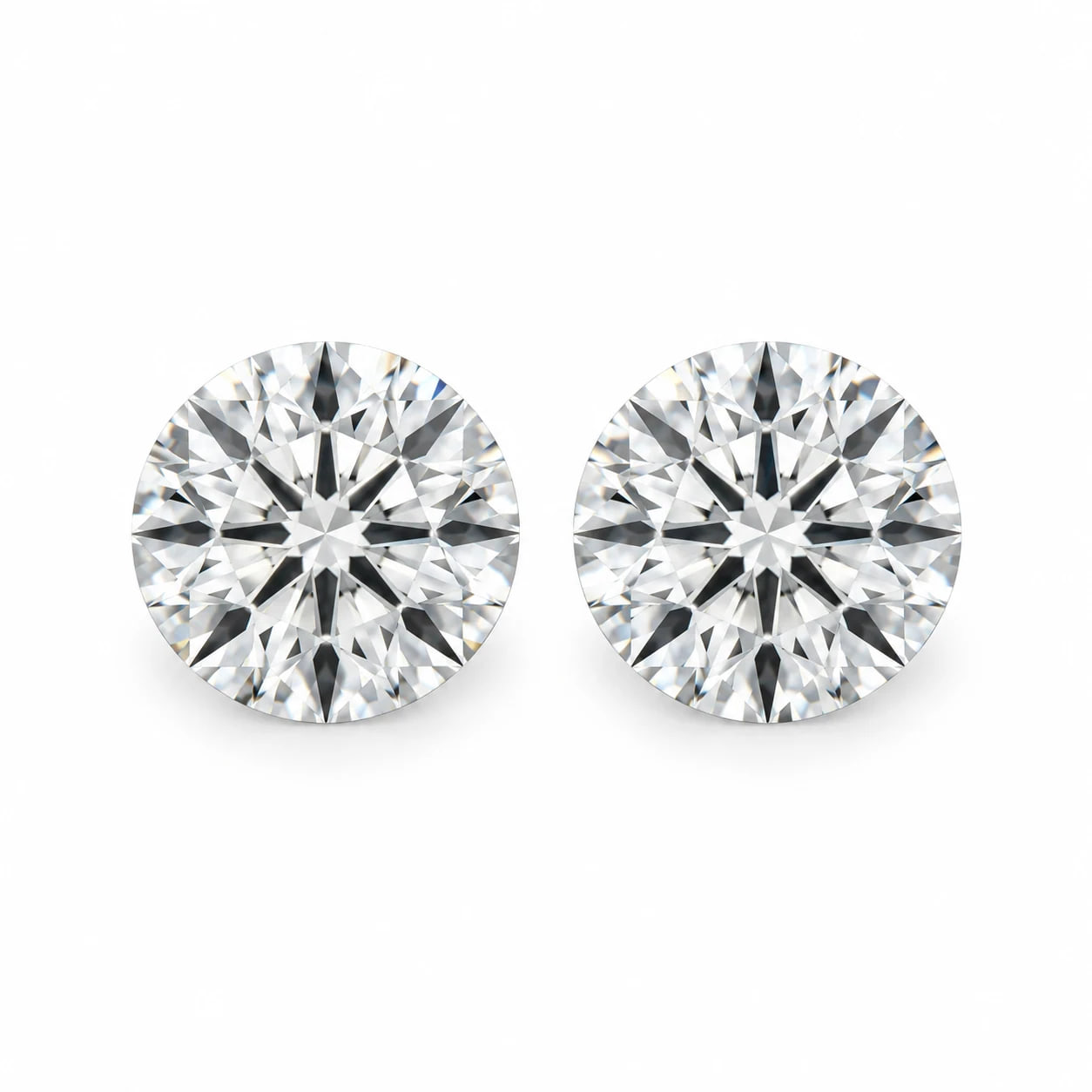
Matched Lab-Grown Diamonds / SOURCING ON REQUEST
Two round loose diamonds reviewed together for earring programs, custom pairs and clearly defined repeat orders.
Explore Product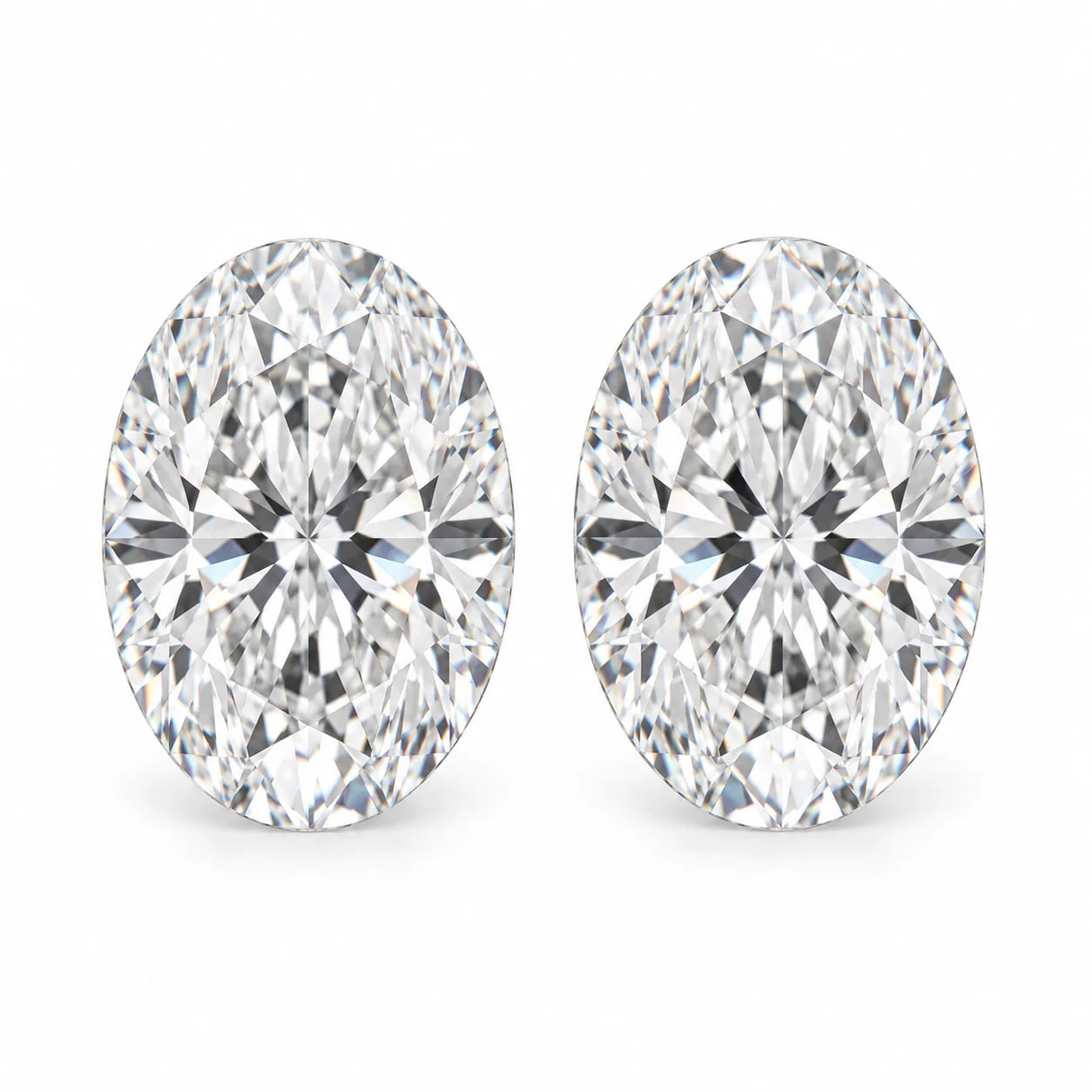
Matched Lab-Grown Diamonds / SOURCING ON REQUEST
Oval, pear and other same-shape loose diamond pairs, selected around outline consistency and your finished-design requirements.
Explore Product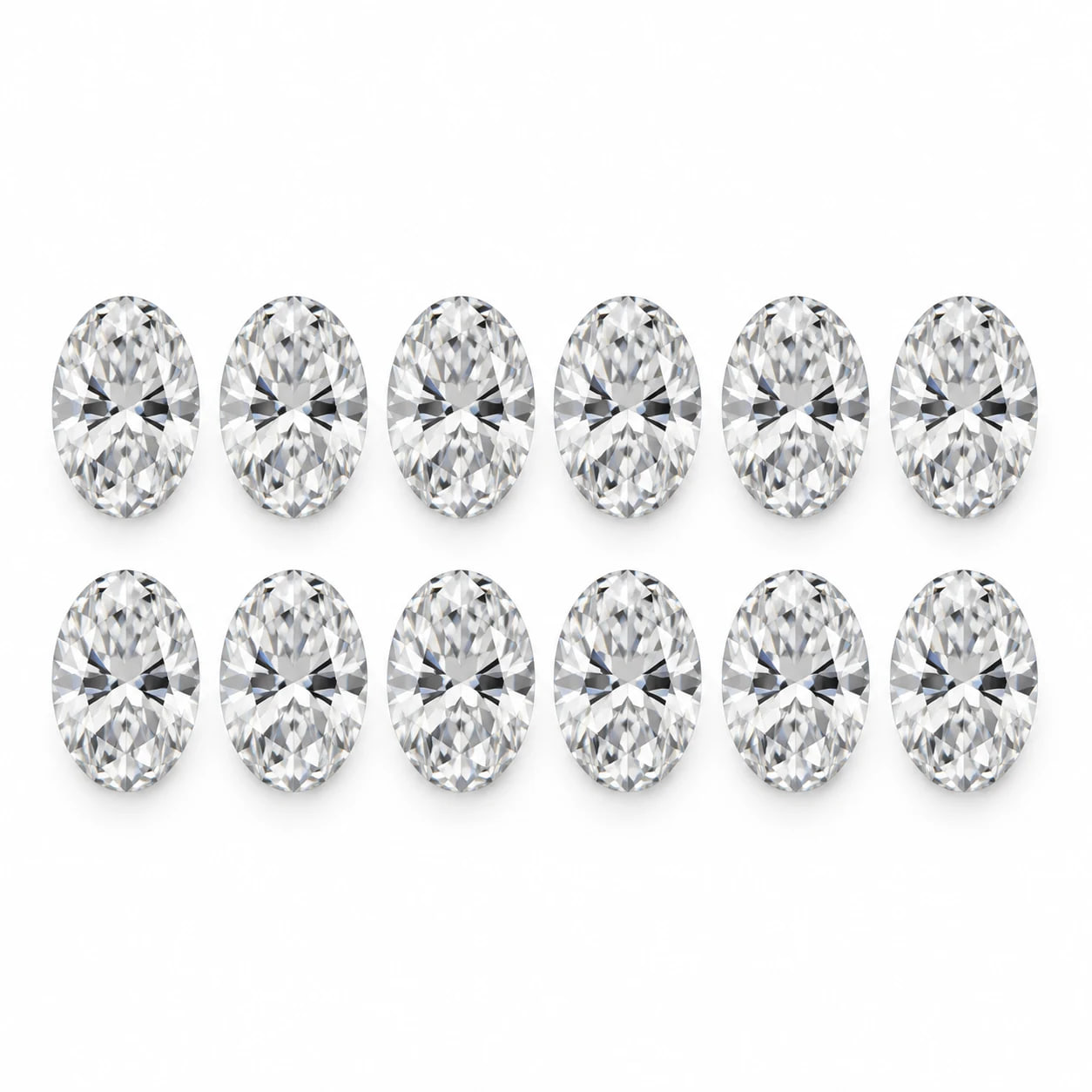
Matched Lab-Grown Diamonds / SOURCING ON REQUEST
Counted same-size groups for collection layouts and repeat settings, built around agreed dimensions rather than nominal weight alone.
Explore Product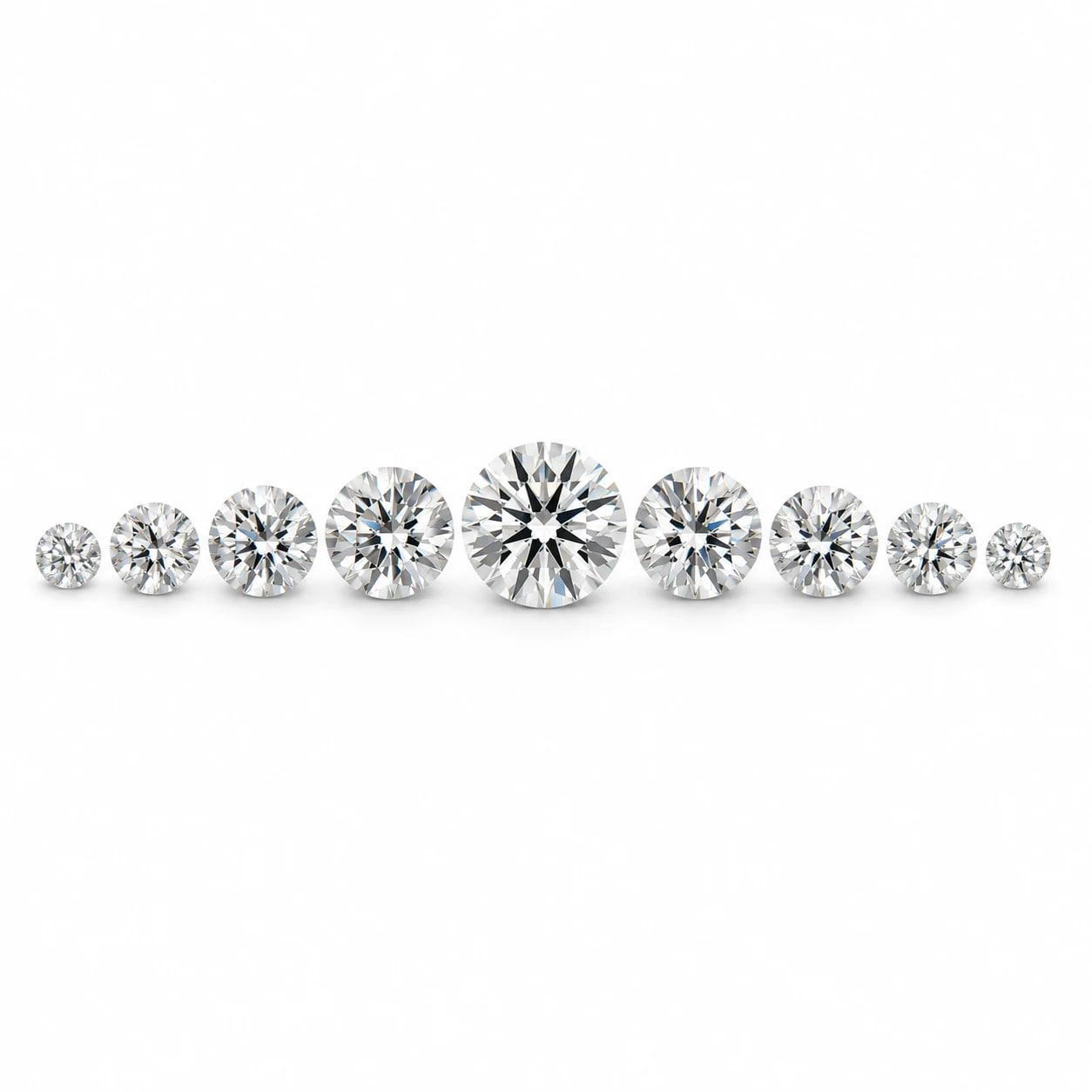
Matched Lab-Grown Diamonds / SOURCING ON REQUEST
Drawing-led sets with a deliberate size progression, supplied against a numbered design and an agreed approval sequence.
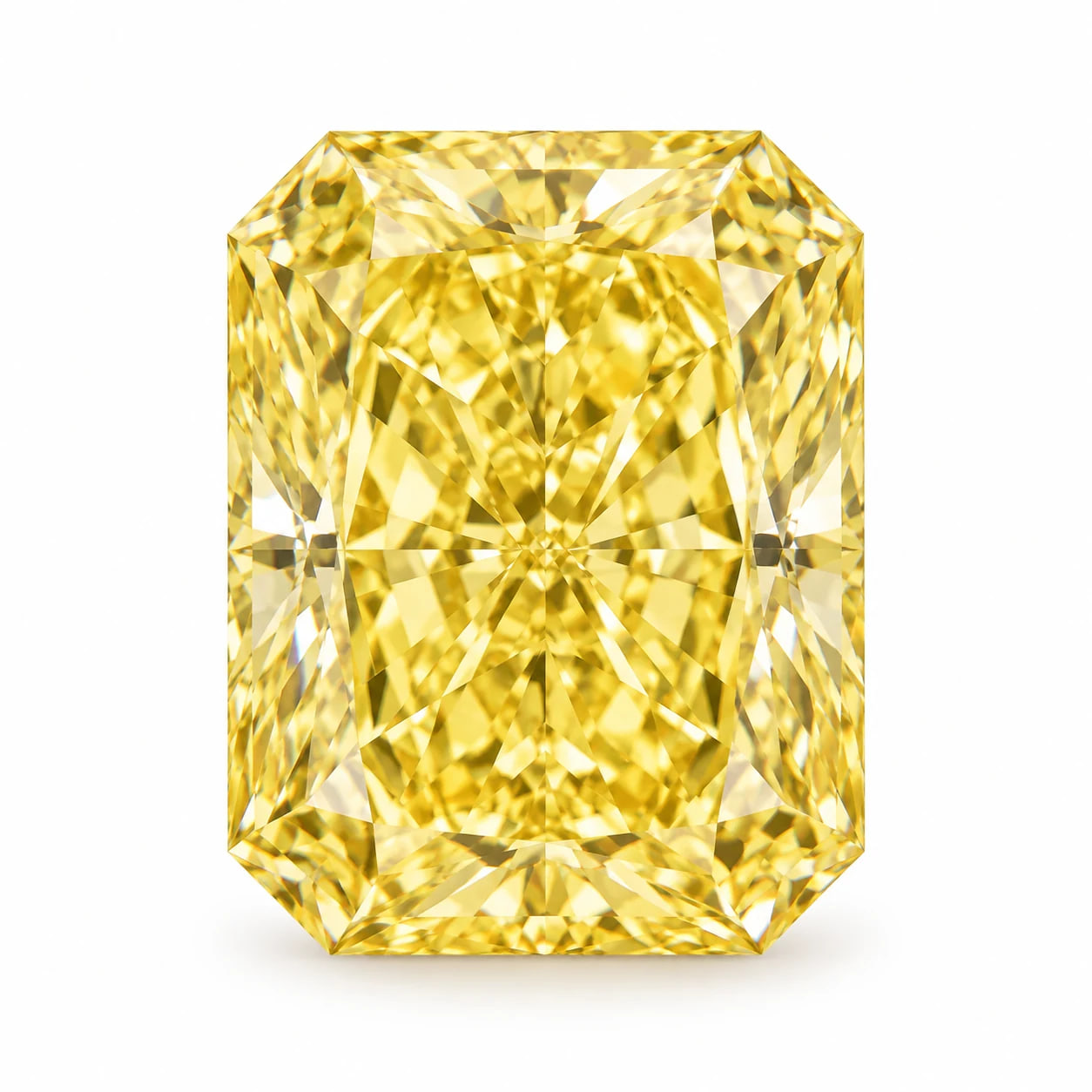
Explore ProductFancy Color Lab-Grown Diamonds / SOURCING ON REQUEST
Yellow loose diamonds for design-led rings and pendants, with color appearance and supporting information reviewed stone by stone.
Explore Product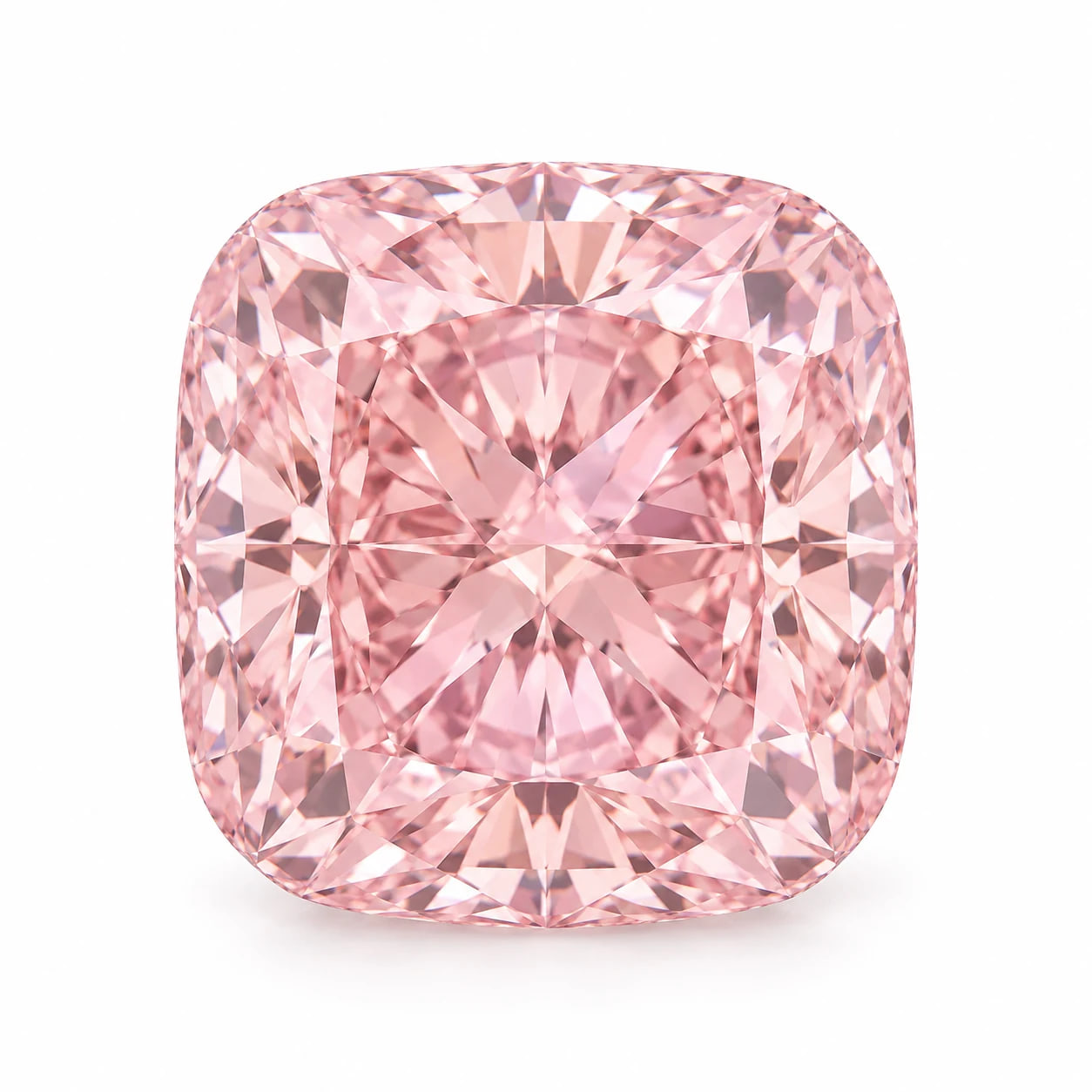
Fancy Color Lab-Grown Diamonds / SOURCING ON REQUEST
Pink loose diamonds for bespoke color designs, with the actual hue, outline and supporting documentation reviewed before selection.
Explore Product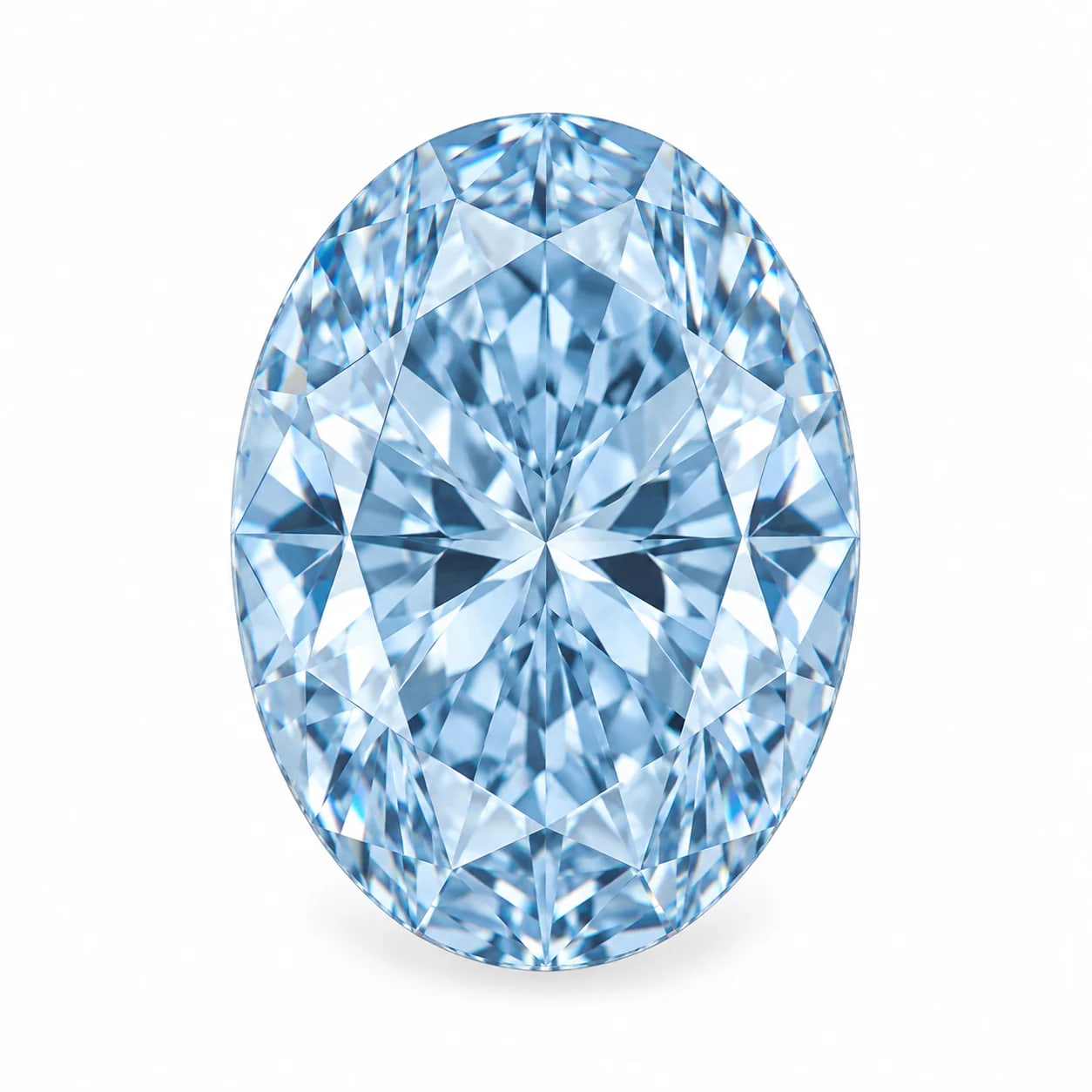
Fancy Color Lab-Grown Diamonds / SOURCING ON REQUEST
Blue loose diamonds for distinctive rings and pendants, evaluated through actual color, dimensions and disclosed stone information.
Explore ProductNo matching product group. Try a shape name or reset the filters.
Choose with a complete specification
A category page should help you compare options before you submit an enquiry.
For a ring or pendant, begin with the center stone. For a pave setting, start with melee sizes. For earrings, decide how closely two stones need to match. Product format determines the information your RFQ needs.
A carat value describes weight. A setter also needs length, width and depth, or a sieve range for small round stones. Include allowable dimensional variation before comparing different quotations.
Confirm laboratory-grown origin and the relevant documents, then review the selected goods visually. An individual report and a parcel quality description serve different purposes; neither should be assumed to cover every product.
Record the approved specification, count, unit, matching criteria and reference imagery. A useful sourcing record supports replenishment discussions even when the actual stones and availability change.
06 / A practical comparison
Compare the properties that change the purchasing decision, then review the actual selected stones or parcel.
| Product family | Typical buying task | Essential RFQ detail |
|---|---|---|
| Loose center stones | A ring, pendant or individual client order | Shape, actual dimensions, weight and report |
| Melee diamonds | Pave, halo and accent production | Size range, count or total weight, parcel criteria |
| Side stones | A setting around a specific center stone | Outline drawing, thickness and handedness |
| Matched diamonds | Earring pairs or coordinated multi-stone work | Every-stone data and group matching criteria |
| Fancy color diamonds | A color-led collection or bespoke design | Color reference, report description and treatment disclosure |
Connect products to the finished piece

A circular center works with a range of solitaire concepts, but the sourcing task remains specific: match diameter, height clearance and visual standard to the actual ring head. Include a drawing or existing mount dimensions before comparing proposed stones, especially when replacing a center stone in a retained setting.
Explore the Relevant Product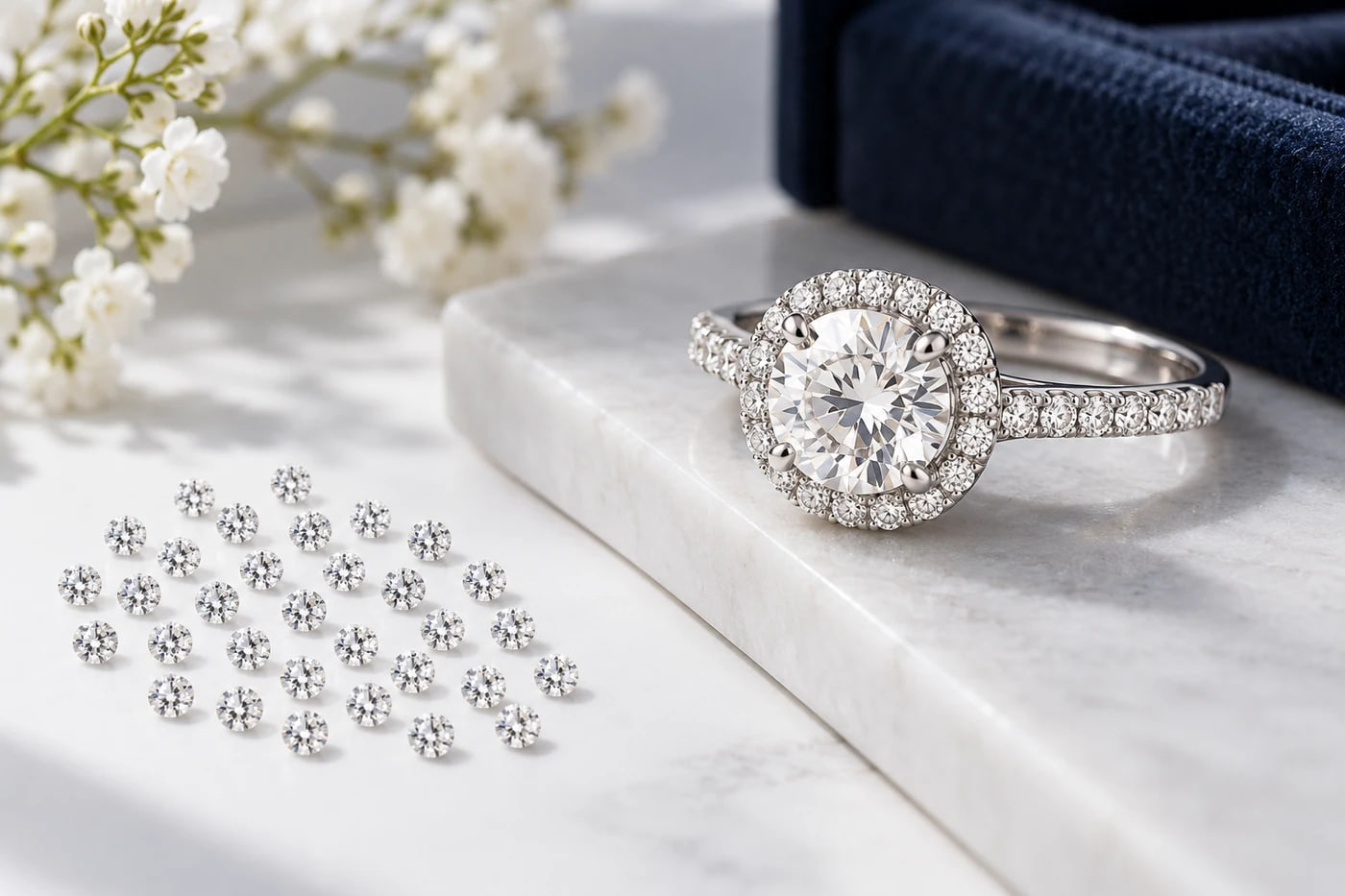
Pavé shoulders and halos use many small round stones in a close layout. Supply the seat dimensions and design count, then review the parcel’s fit and visual consistency so the accents support the center and follow the intended pattern.
Explore the Relevant ProductSpecific buyers, specific requirements
01 / BUYER BRIEF
Replace or select a circular center for a client design without guessing from carat weight.
Send the mount diameter, depth clearance, weight preference and report requirement; distinguish a replacement stone from a new setting project.
02 / BUYER BRIEF
Obtain a parcel suited to a specific band, halo or repair task without confusing stone count with total weight.
Provide the design count, nominal seat diameter and any reserve stones needed.
03 / BUYER BRIEF
Build oval selections against clear acceptance criteria.
Separate single stones from matched pairs; list tolerance, report and image requirements alongside quantity.
| Market scenario | Example procurement use | What needs clarification |
|---|---|---|
| United States | Round bridal and stud assortment | Diameter, report fields and pair-weight terminology |
| United Kingdom | Independent bench and bespoke halo work | Sieve ranges, setting drawing and small-lot replenishment needs |
| Australia | Made-to-order solitaire and pendant collections | Design approval sequence and repeat diameter bands |
08 / Before you source
A useful B2B catalogue separates center stones, small melee, shaped side stones, matched combinations and color-led goods. Growth method and grading documents remain important selection dimensions, but they do not replace the buyer's underlying product task.
The enquiry process supports a clearly specified business request, including an individual stone or pair. Quantity, minimum order value and delivery arrangements are discussed with the actual selection. A product page does not establish one universal MOQ across the catalogue.
Request actual stone or parcel information, supporting images and documents during the selection process before confirming an order.
Use the finished product requirement first, then state a growth-method preference if your buying program requires it. A CVD or HPHT label alone does not establish a selected stone's dimensions, visual appearance, report coverage or treatment history.
Compare the same product format, measurement requirements, grades, documents, quantity and acceptance criteria. For a pair or set, record each-stone data and the total. Confirm pricing validity, availability and delivery terms for the actual proposed goods.
09 / Prepare the next conversation
Start with the fixed requirements and explain where the sourcing selection can vary.
Describe the product format, design requirements, document needs and intended purchase unit. The actual selection and commercial terms are confirmed through the quotation.
YOUR PREFERRED REQUIREMENT
Wholesale Lab-Grown Diamonds for the Jewellery Trade
Continue to our contact form with your selected specifications and send your requirements directly to our sourcing team.
Review your product selection and requirements on our contact form.
Connect the catalogue and procurement requirements