Skip to page content

Fancy Color Lab-Grown Diamonds / Business sourcing

Blue Lab-Grown Diamonds

Blue loose diamonds for distinctive rings and pendants, evaluated through actual color, dimensions and disclosed stone information.

Sourcing on request / quotation-based selection
Weight per stone
Color brief
Supply format

Preferences are a brief, not a live inventory selection.

A product brief, not just a grade list

Understanding Blue Lab-Grown Diamonds

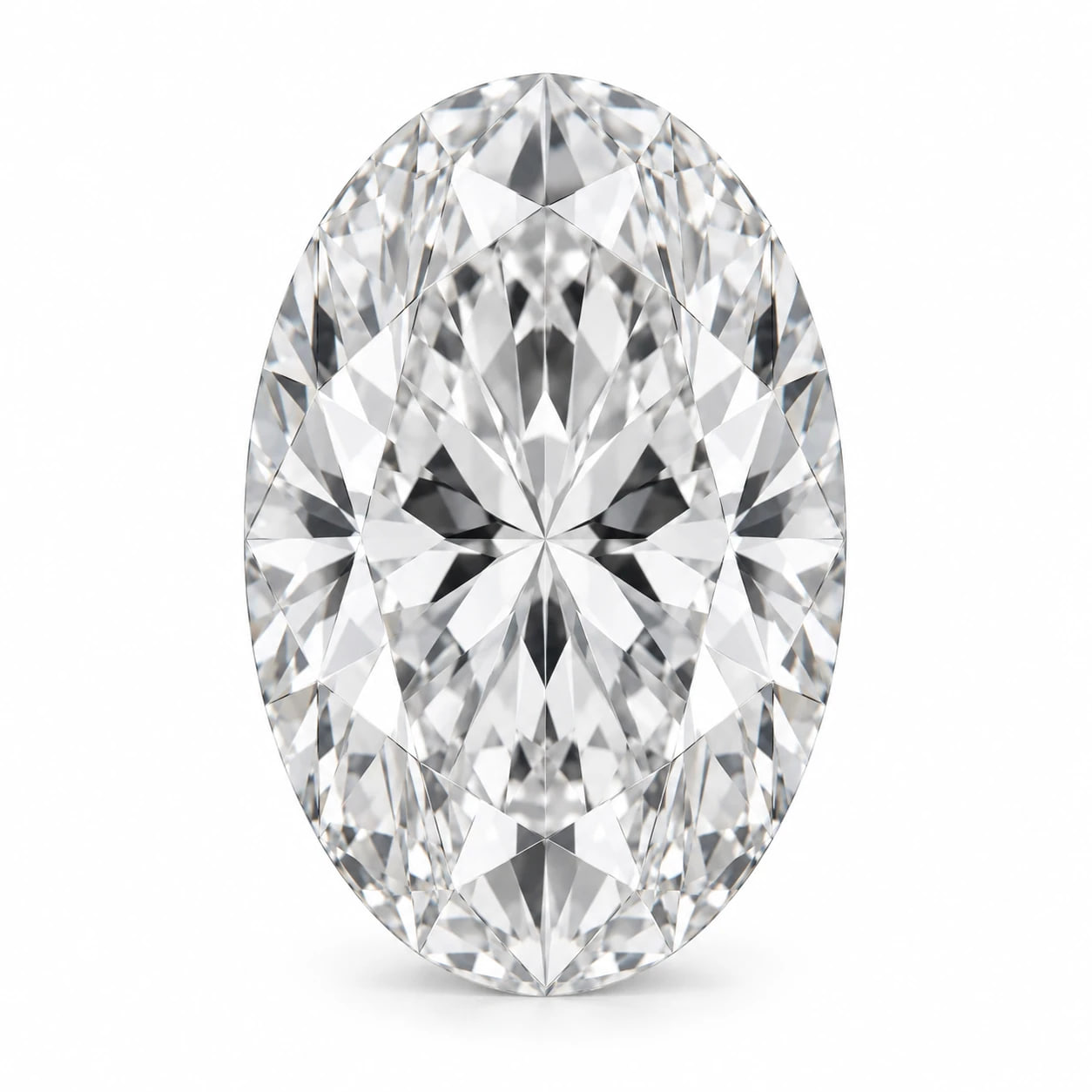
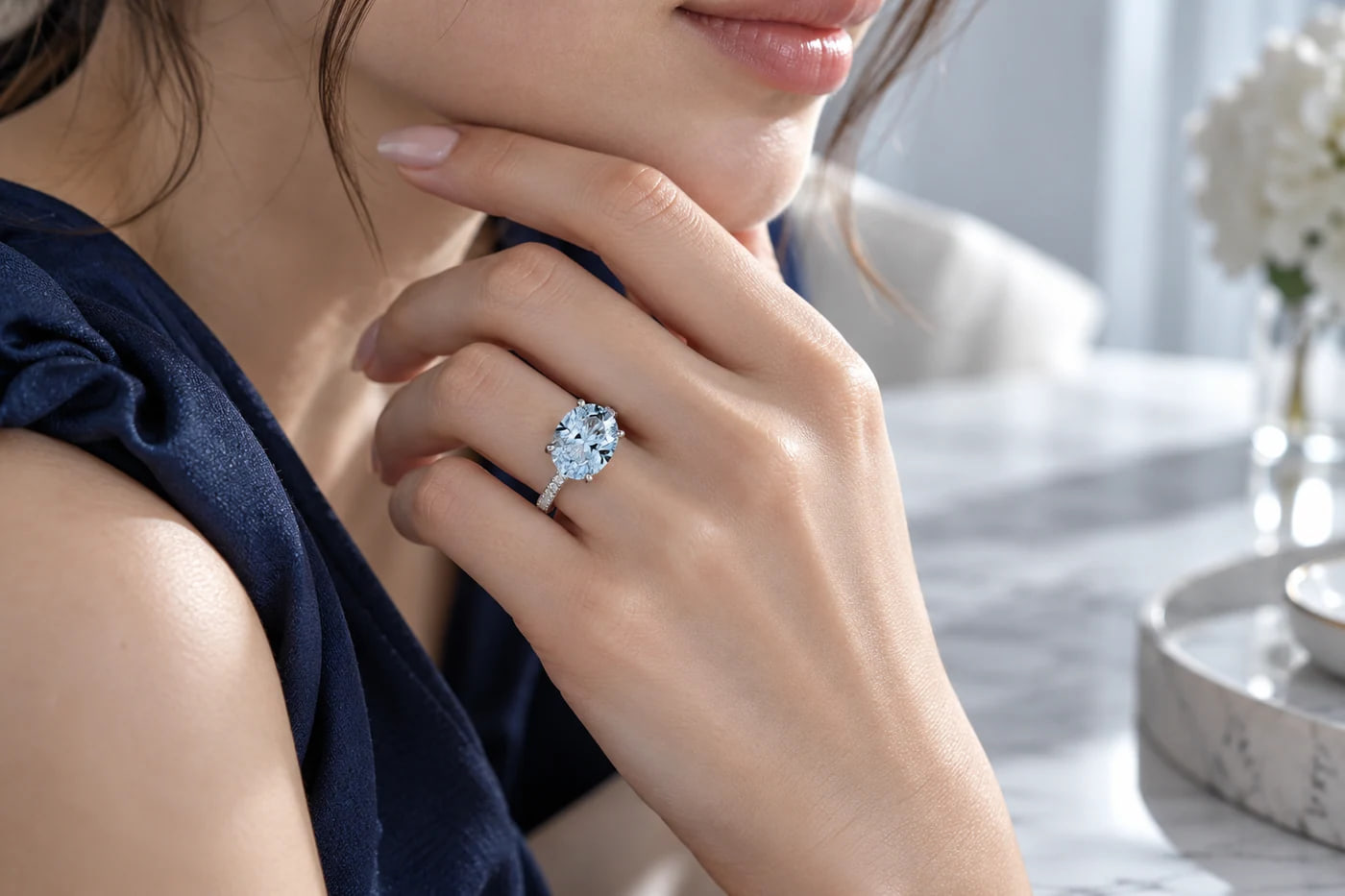
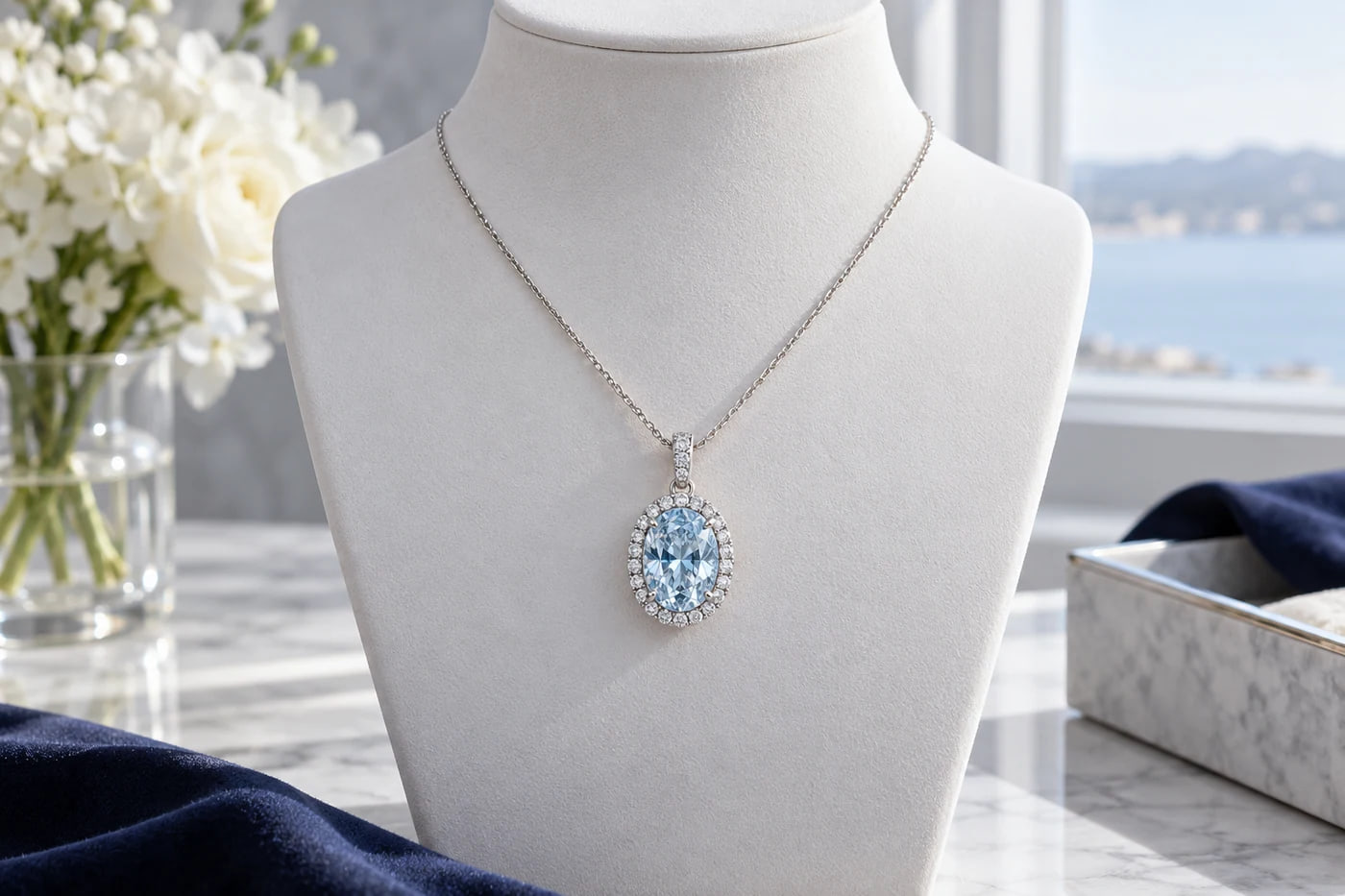
Blue lab-grown diamonds need a clear material identity and a stone-specific color review. The blue appearance should not be used to infer growth method, treatment history or a particular laboratory intensity grade. The reference configuration here shows a blue oval diamond for a ring or pendant brief, with the outline and color considered together. Supply the hue direction, desired dimensions, setting context and documentation requirements before comparing proposals. For a coordinated collection, explain the accepted variation rather than assuming that a previous blue stone defines an identical future supply. MEITUO coordinates those requirements with proposed sourcing options, while actual reports, treatment information, availability and commercial terms are confirmed for the selected goods.

01 / Define the actual requirement

Blue Lab-Grown Diamonds Specifications

Separate the product description, sample values and information that must be confirmed for the actual selected goods.

Reference requests and example values; not measurements of an available inventory item.
MaterialLaboratory-grown diamond
Reference shapeOval brilliant, with contour and ratio confirmed for the actual stone
Illustrative weight request1.50 ct per stone; reference target only
Illustrative dimensions9.00 × 6.30 × 4.00 mm; sample configuration, not live inventory
Reference ratio1.43, rounded from the illustrative length and width
Reference colorBlue visual direction; no laboratory intensity description assigned
Color / clarity evidenceUse the actual selected stone’s report and consistent visual review
Material distinctionLaboratory-grown diamond; do not substitute sapphire, moissanite or another blue gem
Growth methodConfirm CVD or HPHT for the proposed goods
DocumentationConfirm the available laboratory report or batch documentation
Post-growth treatmentConfirm disclosed treatment information for the proposed goods
Order unitIndividual loose stone; any pair or coordinated group requires separate approval
MOQ / price / lead timeConfirmed only in the quotation for the agreed specification
Read the actual document and confirm correspondence to the selected goods.
Growth methodConfirm CVD or HPHT for the proposed goods
DocumentationConfirm the available laboratory report or batch documentation
Post-growth treatmentConfirm disclosed treatment information for the proposed goods

IGI and GIA services have their own report formats. Use the actual issuing laboratory's wording rather than adding a blanket quality claim. IGI report background · Current GIA services

Define purchase units, measurements and the approval basis before comparing quotes.
Illustrative weight request1.50 ct per stone; reference target only
Order unitIndividual loose stone; any pair or coordinated group requires separate approval
MOQ / price / lead timeConfirmed only in the quotation for the agreed specification

Provide the blue reference, oval outline and intended metal or accent colors.

02 / Choose against the design

How to Choose Blue Lab-Grown Diamonds

Use these product-specific checks to make your quotation request more precise.

01 / SELECTION CHECK

Keep the Gem Identity Explicit

Blue describes appearance, not material. The quotation and product record should clearly identify laboratory-grown diamond and the supporting evidence, preventing confusion with blue sapphire, blue moissanite or other visually related stones in a design discussion.
02 / SELECTION CHECK

Set a Usable Blue Reference

Describe the desired hue, tone and acceptable variation, and compare actual stones in consistent conditions. A deep or pale screen appearance is not a reliable substitute for an agreed physical or photographic approval reference.

03 / SELECTION CHECK

Check the Oval Independently

A blue color direction does not settle oval proportions. Review the ratio, shoulders, dimensions and face-up light appearance, including any bow-tie effect, against the setting rather than choosing solely from a preferred color image.

04 / SELECTION CHECK

Separate Color From Treatment History

Record the actual growth and treatment disclosure without guessing from the hue. Preserve the evidence with the final description and avoid unsupported claims that the blue color is as-grown, untreated, rare or inherently superior to another method.

03 / Plan from the finished design

Applications for Blue Lab-Grown Diamonds

The finished setting or production workflow determines which measurements and matching decisions belong in the enquiry.

Blue oval center-stone rings — illustrated downstream use of Blue Lab-Grown Diamonds

APPLICATION 1

Blue Oval Center-Stone Rings

An oval blue center can be considered within a defined metal and accent composition. Specify the outline and color relationship, then approve the actual stone’s dimensions and appearance before the mount is finalized.

Brief This Application
Blue oval pendants — illustrated downstream use of Blue Lab-Grown Diamonds

APPLICATION 2

Blue Oval Pendants

A pendant places the blue oval’s face-up silhouette in a direct viewing position. Include the intended orientation, metal and approximate design scale, and compare the actual color evidence before committing the setting.

Brief This Application

ADDITIONAL DESIGN USE

Coordinated Color Programs

A brand can use an accepted blue reference across several designs, but each proposed diamond needs review. Define how a future stone will be compared and whether any matching requirement applies to a pair or a broader collection.

Brief This Application

04 / Your buying model

A Sourcing Brief for Your Business

01

Custom Fine-Jewelry Designers

Combine a blue focal diamond with a deliberate silhouette and surrounding color composition.

Include in the RFQ: Provide the blue reference, oval outline and intended metal or accent colors.

02

Retailers Selecting Special-Order Stones

Make a clear material and document description part of the actual proposal to the buyer.

Include in the RFQ: Request selected-stone identity, report details and treatment disclosure before publication.

03

Small Brands and Workshops

Approve the stone, setting fit and future comparison standard without assuming identical recurring colors.

Include in the RFQ: Define dimensions, sample approval steps and acceptable stone-to-stone variation.

05 / Qualitative procurement scenarios

Market Buying Considerations for Blue Lab-Grown Diamonds

Use a specific business scenario to prepare an enquiry. These examples do not assert national preferences, market size or confirmed orders.

Editorial buying scenarios, not national demand rankings or company sales data.
MarketBuying scenarioRFQ focus
United StatesSpecial-order blue center stonesMaterial identity, oval dimensions and actual report wording
United KingdomBespoke blue ring and pendant designsColor composition, contour reference and setter approval
AustraliaMade-to-order color collectionsSelected-stone approval and repeat comparison plan
United States · Special-Order Blue Center Stones

For a US-facing special-order proposal, distinguish the blue laboratory-grown diamond from other blue gemstones at the start. Use a consistent visual reference and preserve the actual document wording with the proposed stone. This scenario does not indicate national demand size or intensity-grade preference.

United Kingdom · Bespoke Blue Ring and Pendant Designs

A bespoke design can begin with the full metal-and-stone composition, then compare suitable blue ovals against that brief. Outline fit and color approval are separate decisions. Any treatment or growth statement should come from the evidence supplied for the actual proposed diamond.

Australia · Made-to-Order Color Collections

For a made-to-order color piece, complete the stone’s identity, color and dimensional review before fixing the mount and required date. If later pieces are planned, retain a comparison reference and discuss variation. One approved stone does not establish continuing matching inventory.

06 / A practical comparison

Blue Diamond Color Approval vs Material Identification

Compare the properties that change the purchasing decision, then review the actual selected stones or parcel.

Choose against the actual design, documents and offered goods rather than a blanket better-product claim.
Buying pointColor-selection questionMaterial/document question
What it establishesWhether the blue appearance suits the designWhether the proposed gem is laboratory-grown diamond
Useful evidenceConsistent imagery, reference and physical review where agreedActual identity records and applicable laboratory information
What it cannot proveGrowth method or treatment history from hue aloneThat the appearance matches the client’s preferred blue
Setting reviewColor relationship and face-up outlineStone dimensions and correspondence with records
Approval decisionBoth questions need their own evidenceBoth questions need their own evidence

08 / Before you source

Blue Lab-Grown Diamonds Buying FAQ

Are Blue Lab-Grown Diamonds the Same as Blue Moissanite?

No. Laboratory-grown diamond and moissanite are different gem materials, even if both can appear blue in product photographs. Your request, quotation and supporting records should identify the material clearly. This page concerns blue laboratory-grown diamonds rather than blue simulants or other colored gemstones.

Is the Illustrated Blue Stone an Oval Diamond?

Yes, the reference configuration uses an oval brilliant outline. The example dimensions and weight explain how a sourcing brief can be organized; they do not identify a live stone. Other shapes need a separate outline and availability discussion before any design commitment is made.

Can I Tell How the Blue Color Was Produced by Looking at It?

Do not infer growth method or post-growth treatment from the visual hue alone. Ask for the disclosure and supporting information available for the actual proposed diamond, and preserve those records. Published claims should reflect that evidence rather than an assumption based on the image.

How Should I Describe Pale or Deep Blue in an RFQ?

Provide a consistent reference and explain the tone and hue direction your design needs, including what variation is acceptable. Use formal laboratory color terminology only where supported by the selected stone’s actual documentation. Screen appearance is useful for discussion but is not a guaranteed physical match.

What Should I Check About a Blue Oval’s Shape?

Check actual length, width, depth, ratio and outline against the planned setting, then review face-up appearance in consistent conditions. A suitable color does not remove the need for geometric and visual approval. Two ovals can have similar weight while presenting different silhouettes.

Can the Same Blue Appearance Be Supplied for Future Designs?

A repeat requirement needs a retained color reference and fresh comparison of proposed goods. Explain whether you need a coordinated collection, a matched pair or a replacement stone. Availability and visual consistency must be confirmed for each request rather than inferred from one earlier selection.

09 / Prepare the next conversation

Build Your Blue Brief

Start with the fixed requirements and explain where the sourcing selection can vary.

Provide the blue reference, oval outline and intended metal or accent colors.

YOUR PREFERRED REQUIREMENT

Blue Lab-Grown Diamonds

Continue to our contact form with your selected specifications and send your requirements directly to our sourcing team.

Continue to Inquiry

Review your product selection and requirements on our contact form.

Keep the buying brief connected

Related Products & Sourcing Resources

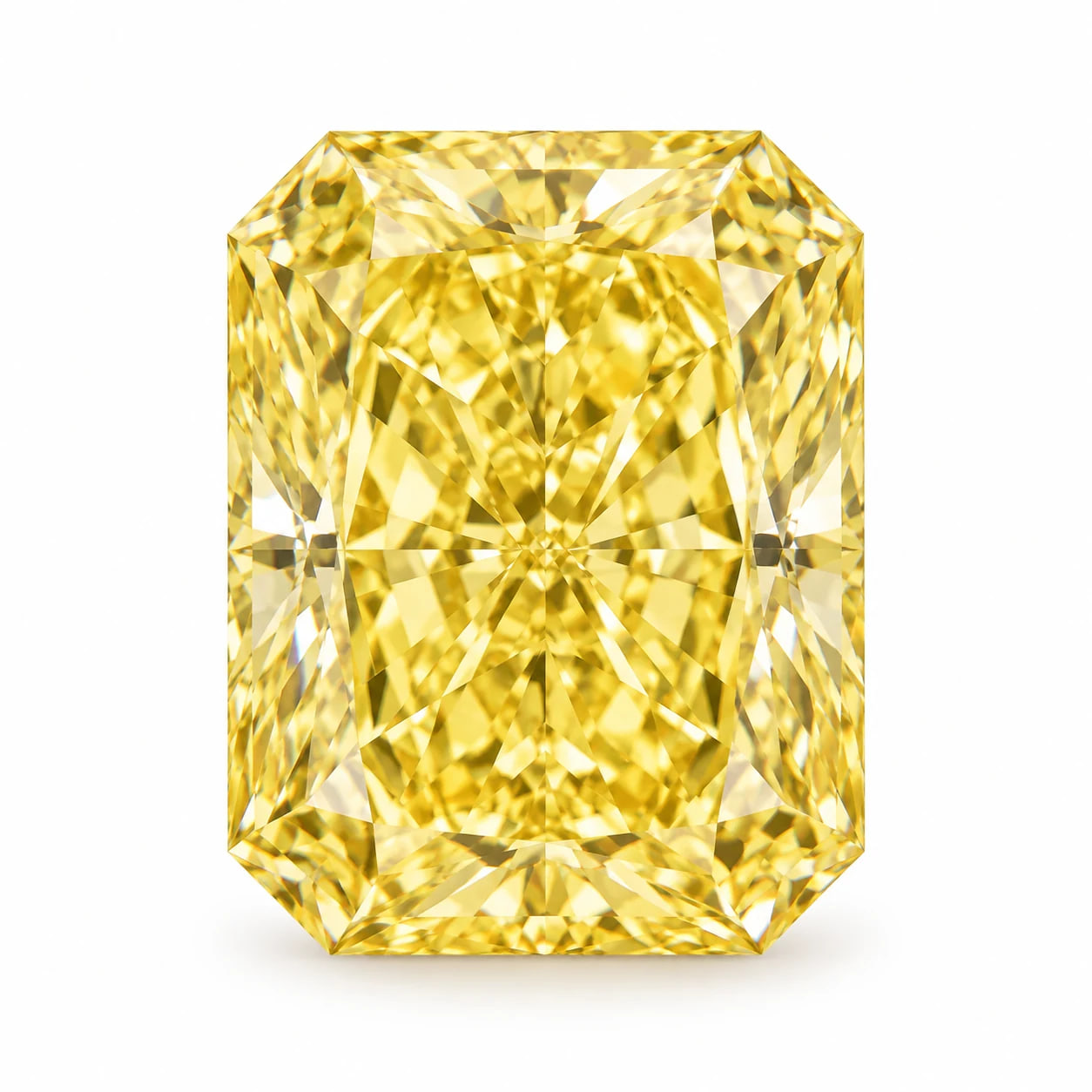
Yellow Lab-Grown Diamonds — illustrated product form

Fancy Color Lab-Grown Diamonds / SOURCING ON REQUEST

Yellow Lab-Grown Diamonds

Yellow loose diamonds for design-led rings and pendants, with color appearance and supporting information reviewed stone by stone.

Explore Product
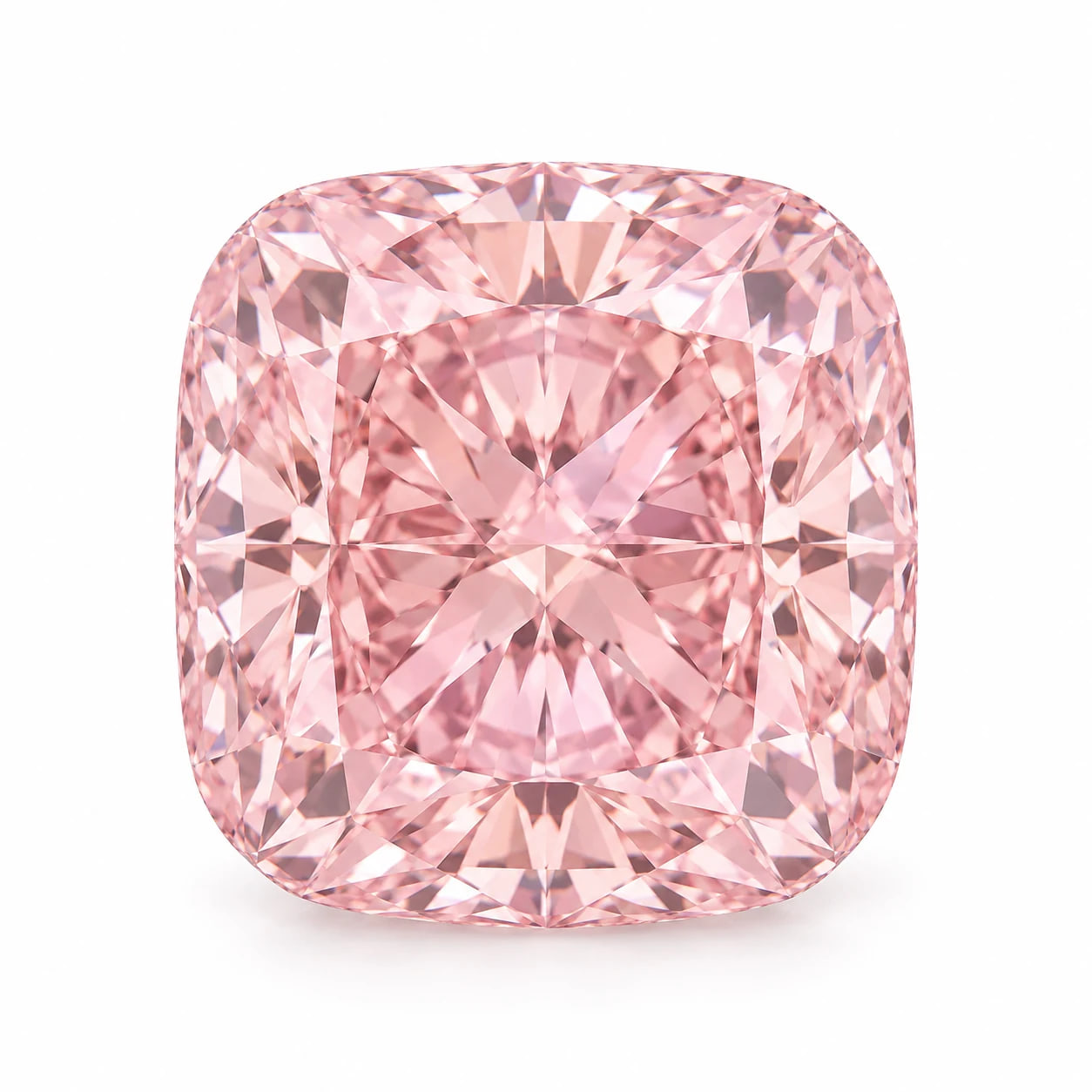
Pink Lab-Grown Diamonds — illustrated product form

Fancy Color Lab-Grown Diamonds / SOURCING ON REQUEST

Pink Lab-Grown Diamonds

Pink loose diamonds for bespoke color designs, with the actual hue, outline and supporting documentation reviewed before selection.

Explore Product

Source 1 · Source 2 · Source 3 · Source 4

MEITUO PRODUCT FINDER

Find Your Diamond Selection.

Need help finding a match? Email [email protected]