 English
 Español
 Português
 Deutsch
 Français
 Italiano
 Nederlands
 العربية
 日本語
 한국어
 ไทย
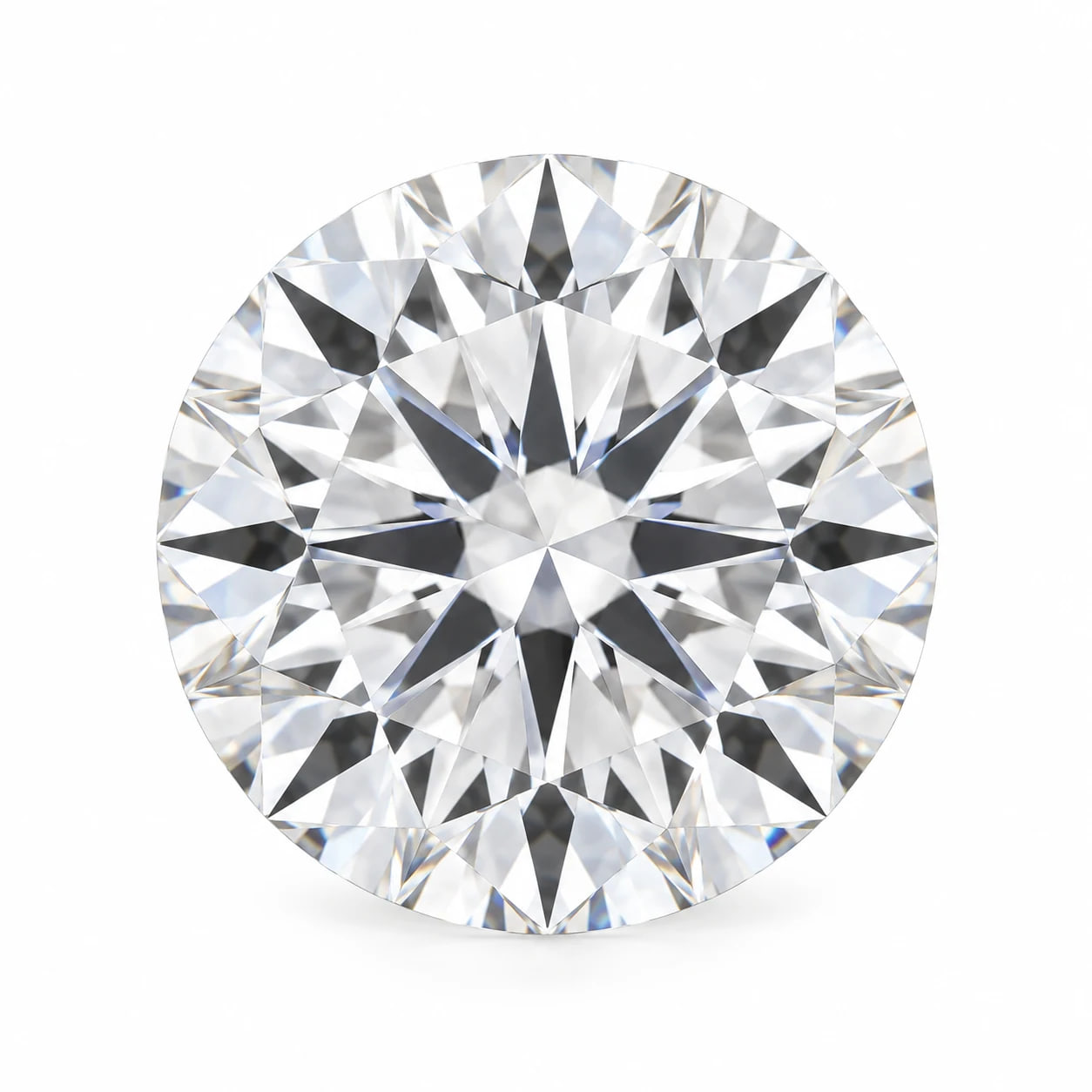
Loose Lab-Grown Diamonds / SOURCING ON REQUEST
Round Brilliant Lab-Grown Diamonds Wholesale
Specify round brilliant center stones and matching pairs by diameter, report details and face-up appearance for your next jewellery order.
Explore ProductMEITUO / Product sourcing collection
Make the individual grading document part of the selection, not a substitute for reviewing the diamond.
Actual availability confirmed by enquiry
Define the product family
Buyers searching for IGI certified lab-grown diamonds usually need a documented selection they can compare and communicate to their own customers. The practical task is to identify the actual IGI report, confirm its correspondence to the proposed stone and understand which fields it supplies. Shape, measured dimensions, carat weight, color and clarity belong alongside face-up appearance and setting fit. This sourcing page connects report-led enquiries to appropriate product families without creating a second catalogue of identical diamonds. State your document requirement at the start; report availability is confirmed for the actual proposed goods.
Browse the product options
9 product groups
Sourcing options, not a live stock list
Loose Lab-Grown Diamonds / SOURCING ON REQUEST
Specify round brilliant center stones and matching pairs by diameter, report details and face-up appearance for your next jewellery order.
Explore ProductLoose Lab-Grown Diamonds / SOURCING ON REQUEST
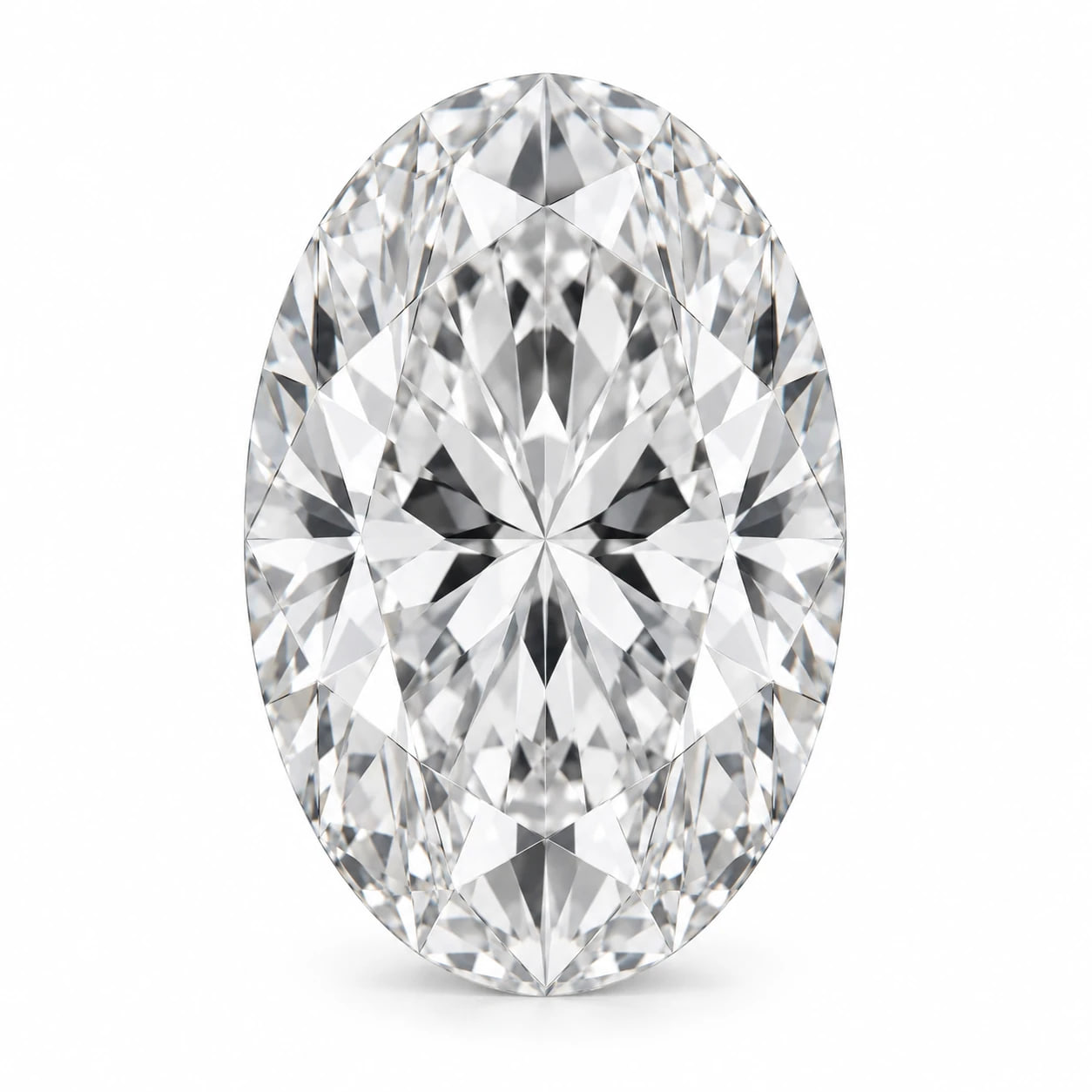
Source loose oval center stones and matched pairs for bridal collections, bespoke jewellery and repeat business orders.
Explore ProductLoose Lab-Grown Diamonds / SOURCING ON REQUEST
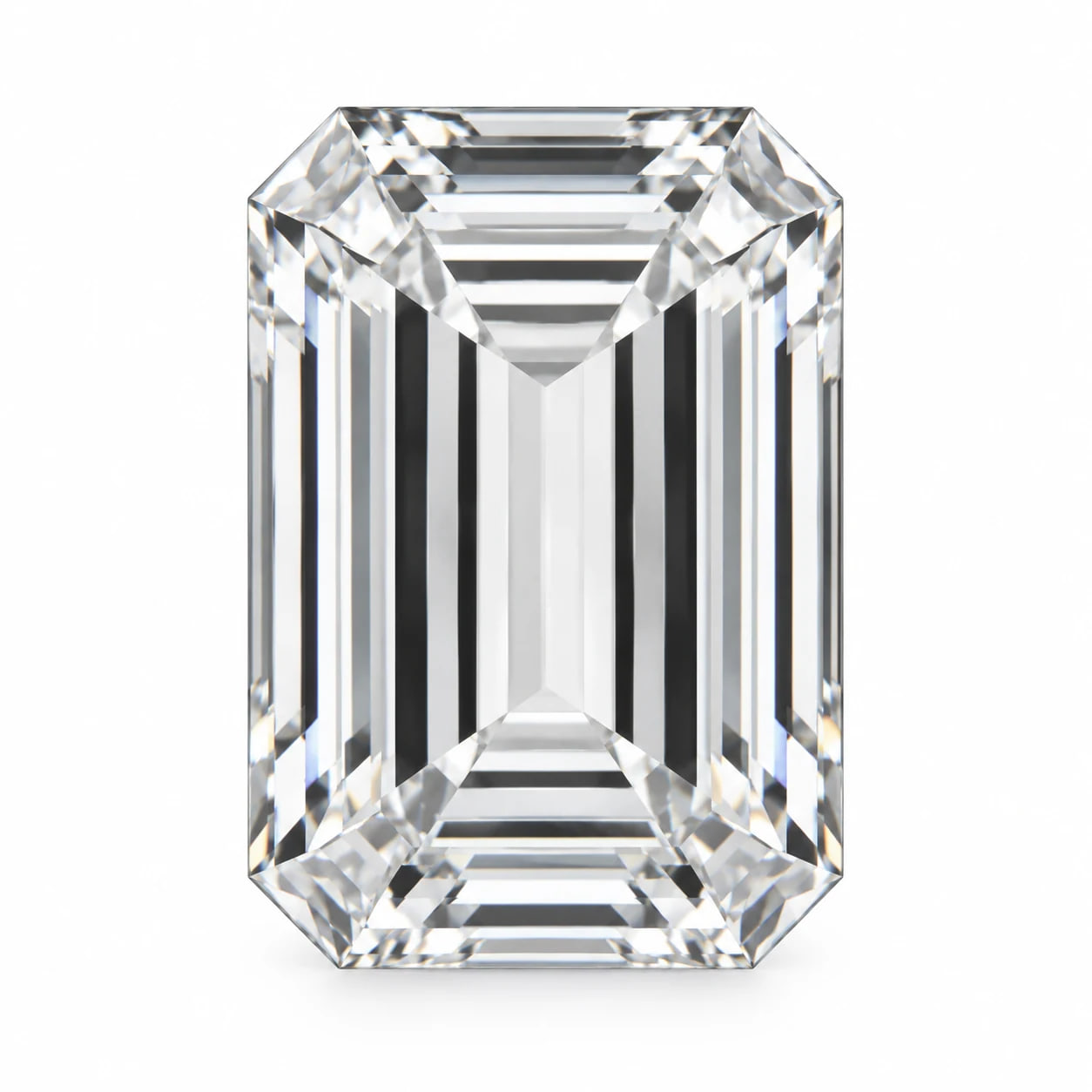
Select emerald-cut lab-grown diamonds through step-facet appearance, clipped-corner outline and setting dimensions, with documentation reviewed stone by stone.
Explore Product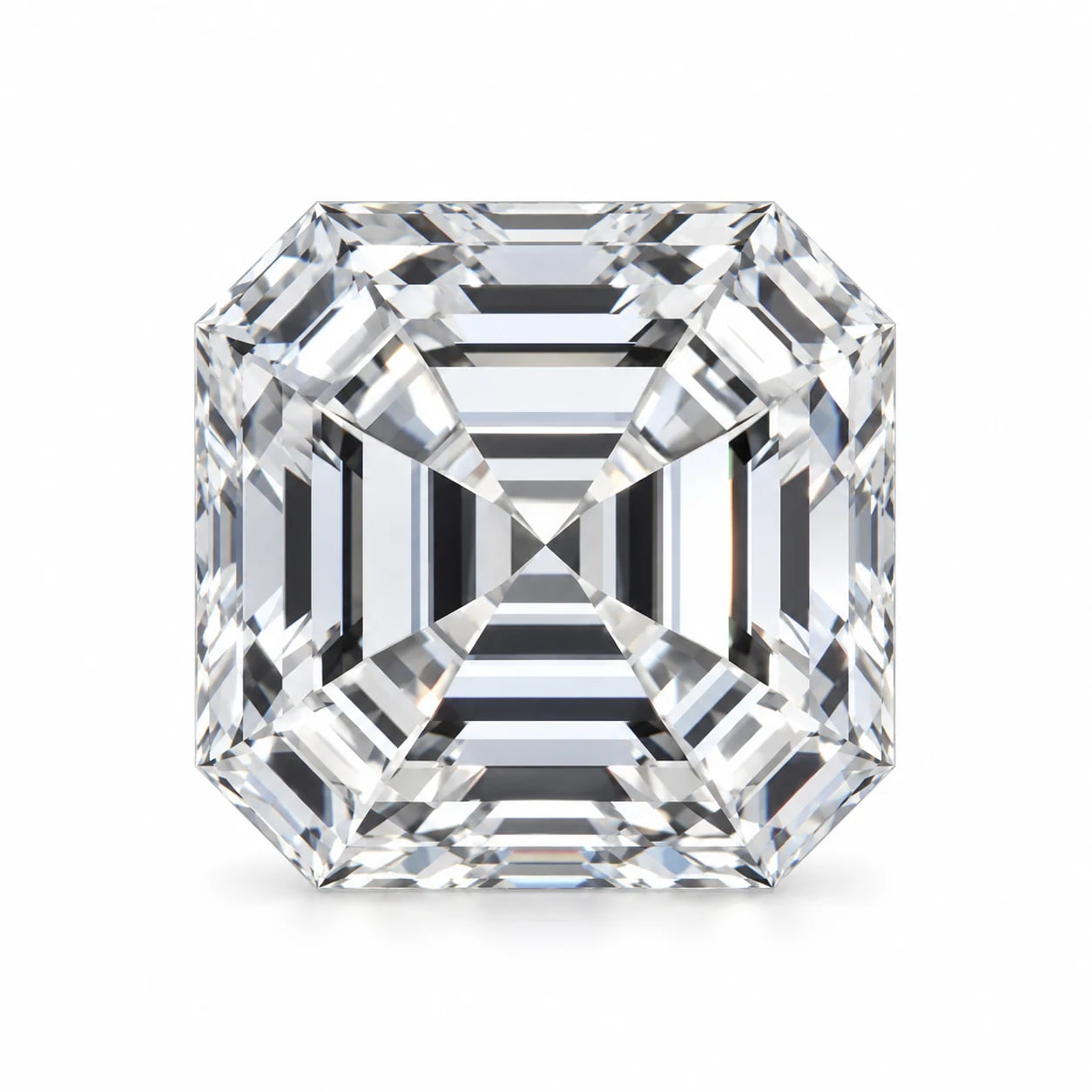
Loose Lab-Grown Diamonds / SOURCING ON REQUEST
Define Asscher-cut lab-grown diamond sourcing through square step geometry, clipped corners, depth and the appearance standard of your design.
Explore Product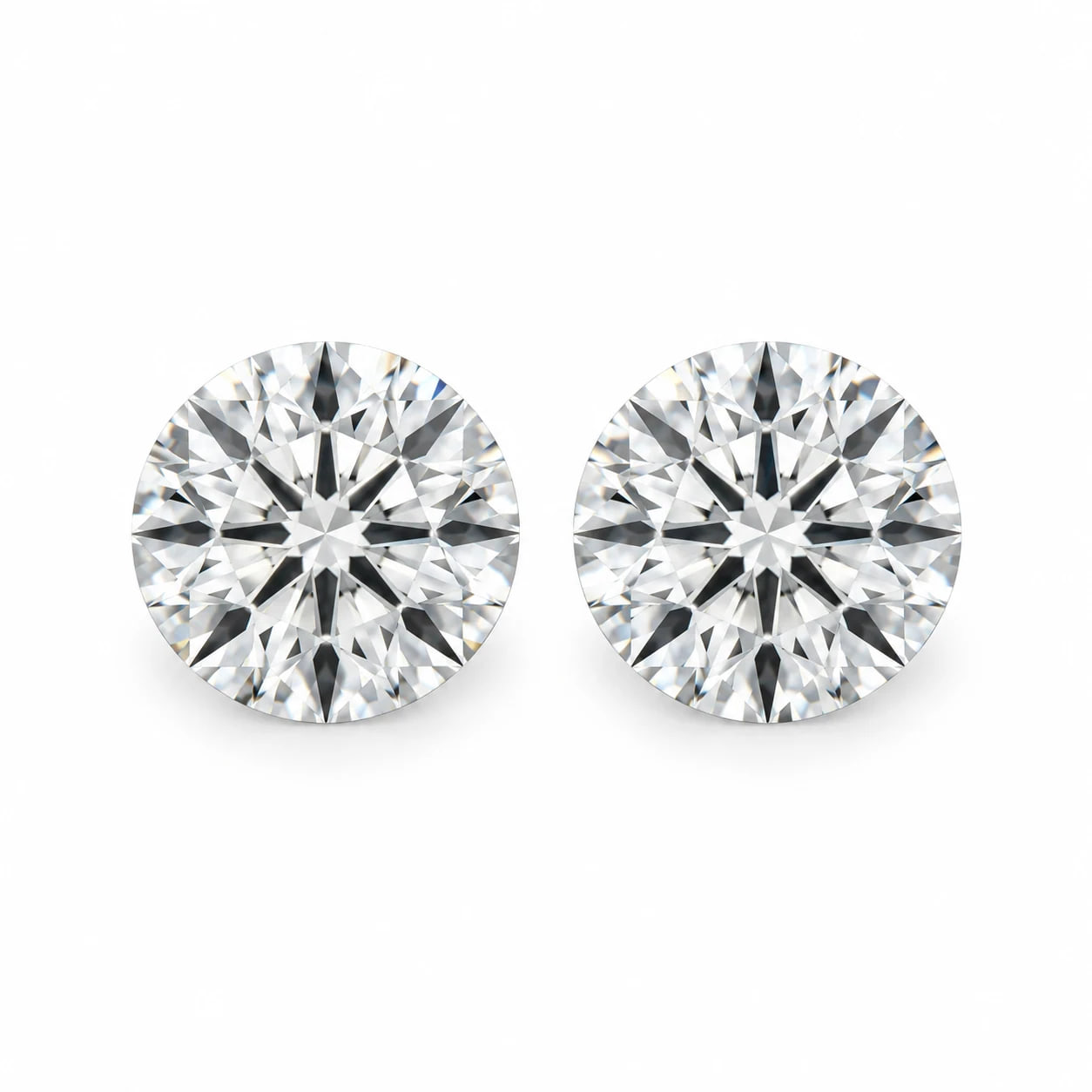
Matched Lab-Grown Diamonds / SOURCING ON REQUEST
Two round loose diamonds reviewed together for earring programs, custom pairs and clearly defined repeat orders.
Explore Product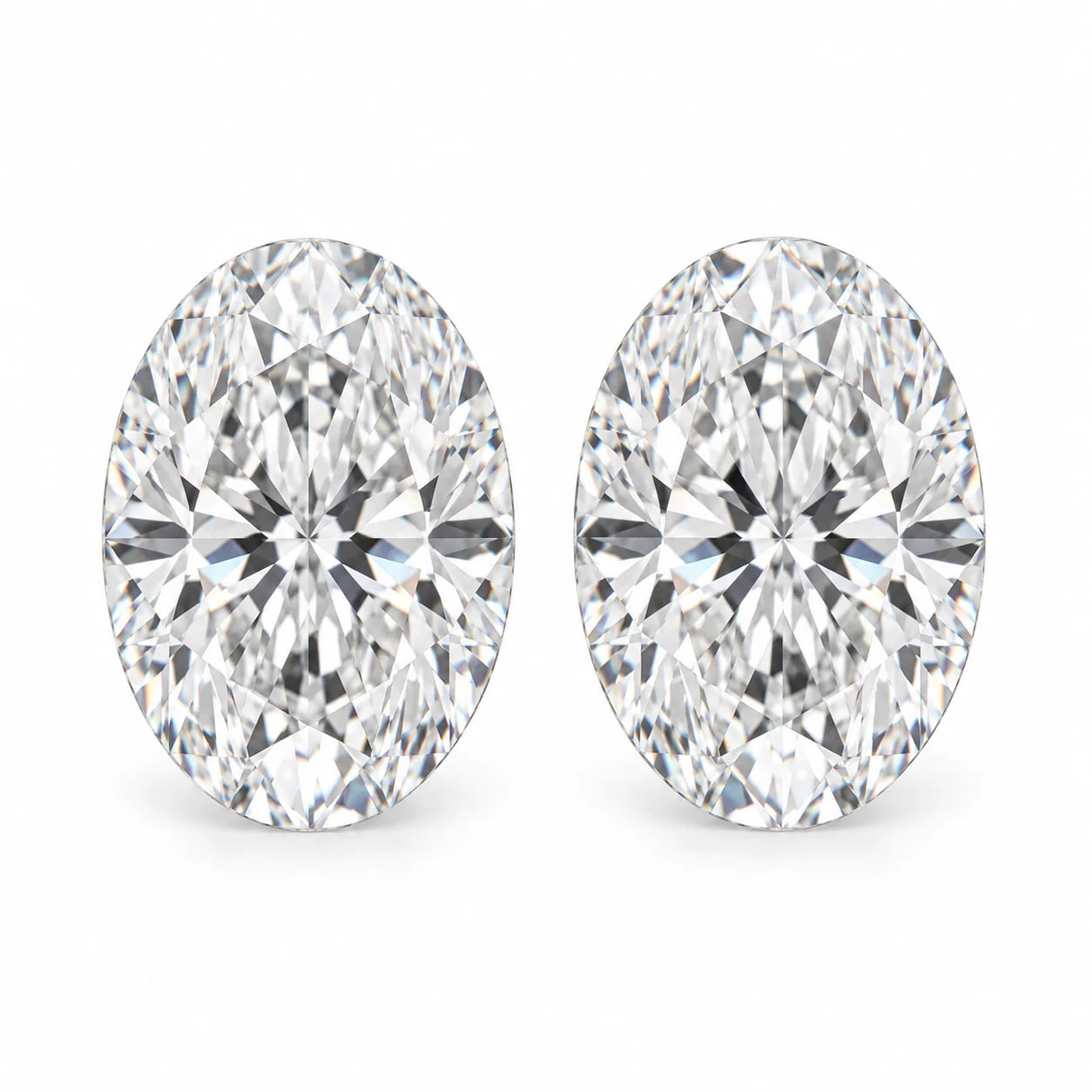
Matched Lab-Grown Diamonds / SOURCING ON REQUEST
Oval, pear and other same-shape loose diamond pairs, selected around outline consistency and your finished-design requirements.
Explore Product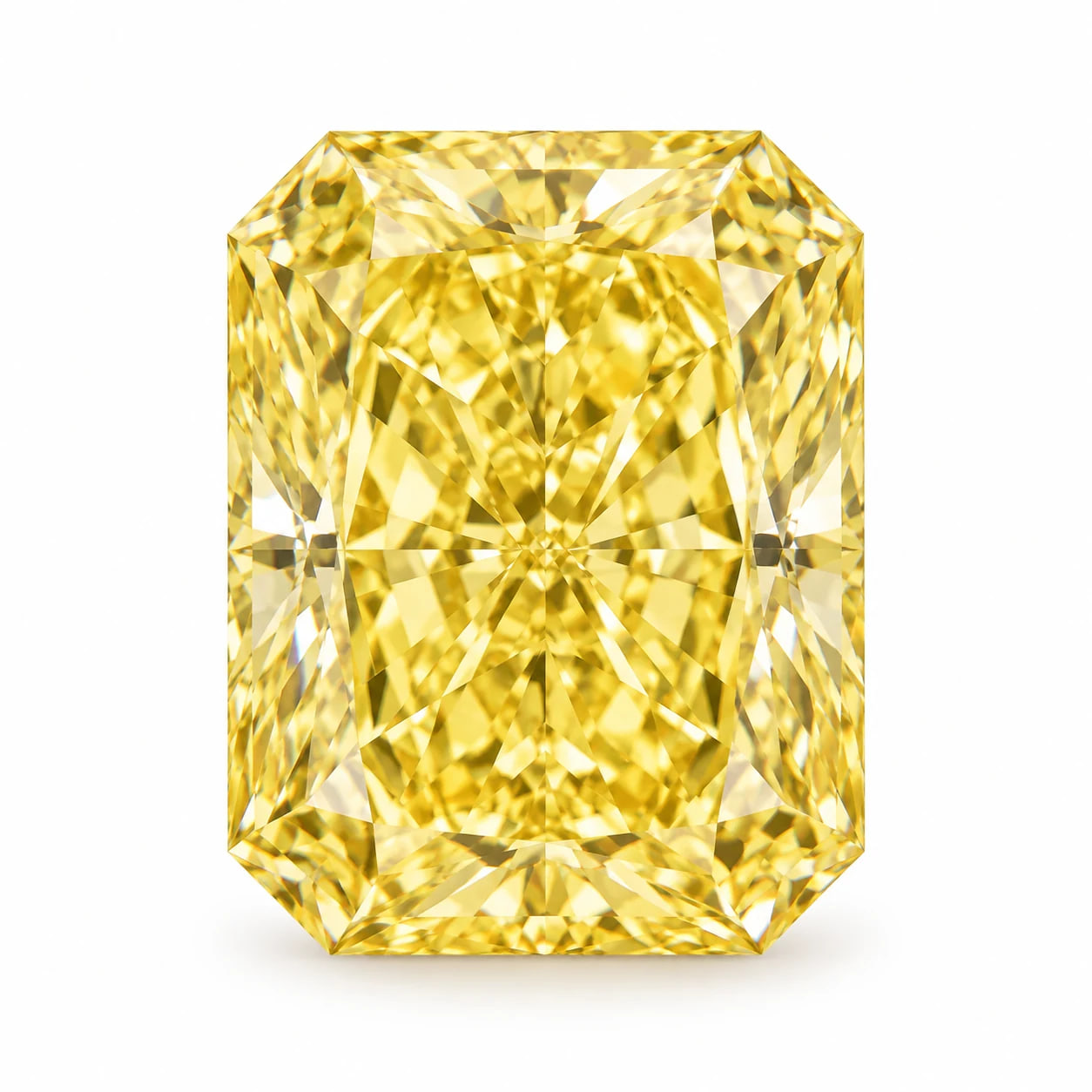
Fancy Color Lab-Grown Diamonds / SOURCING ON REQUEST
Yellow loose diamonds for design-led rings and pendants, with color appearance and supporting information reviewed stone by stone.
Explore Product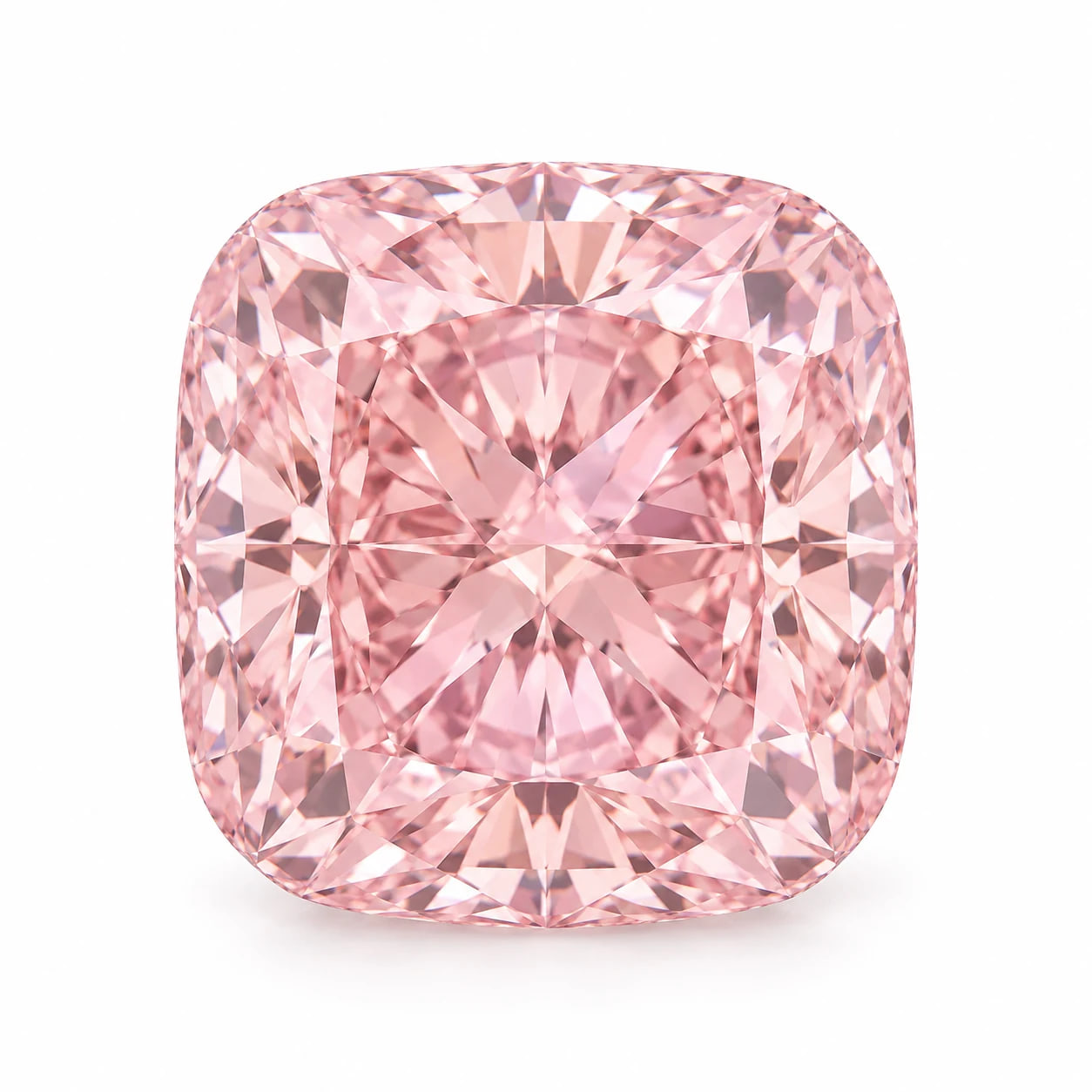
Fancy Color Lab-Grown Diamonds / SOURCING ON REQUEST
Pink loose diamonds for bespoke color designs, with the actual hue, outline and supporting documentation reviewed before selection.
Explore Product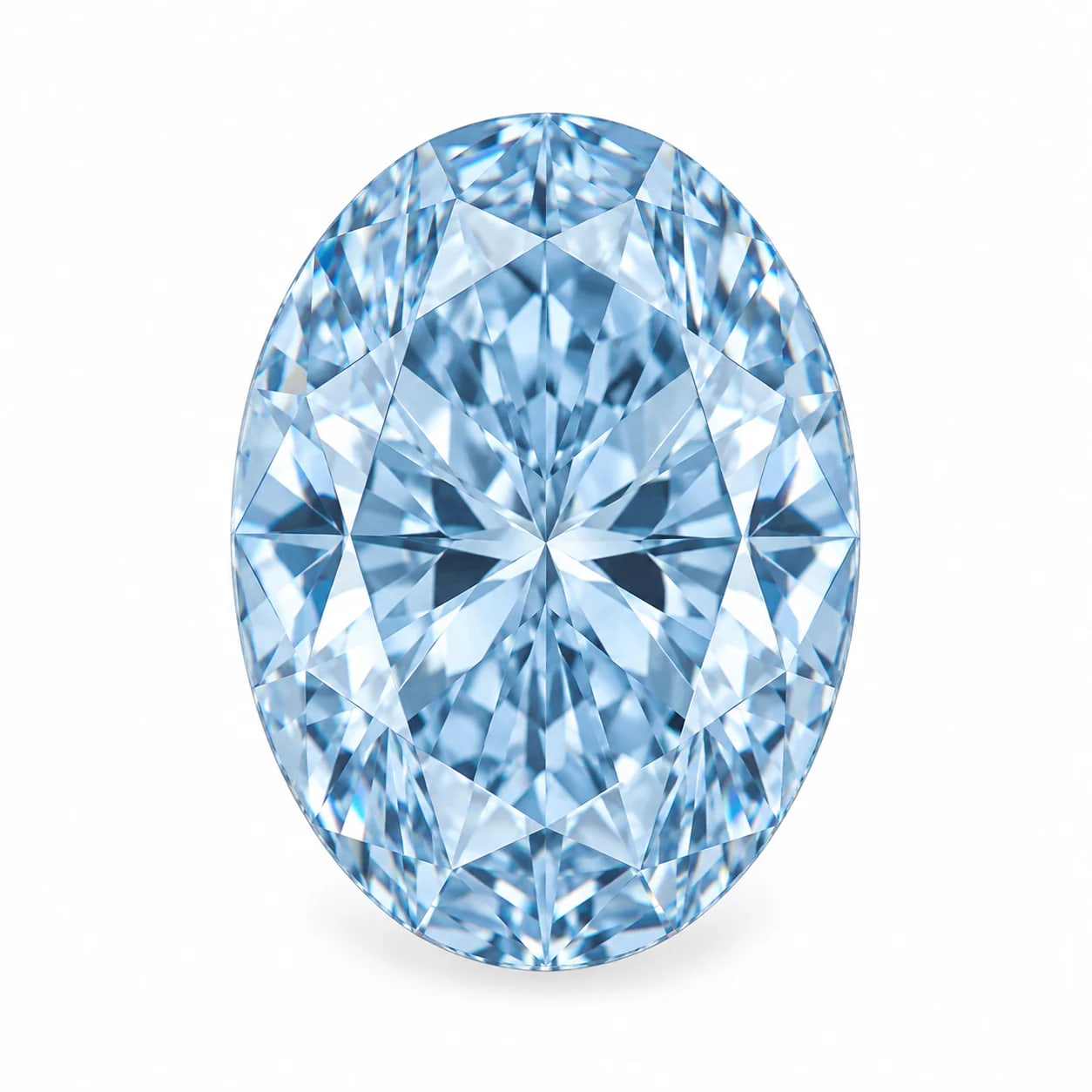
Fancy Color Lab-Grown Diamonds / SOURCING ON REQUEST
Blue loose diamonds for distinctive rings and pendants, evaluated through actual color, dimensions and disclosed stone information.
Explore ProductNo matching product group. Try a shape name or reset the filters.
Choose with a complete specification
A category page should help you compare options before you submit an enquiry.
Record the issuing laboratory and report number from the actual proposal. Where a laser inscription is supplied, check its correspondence as part of the agreed review. A sample certificate image does not establish documentation for another stone.
Use the shape, measurements and grading terminology actually present on the report. Do not silently add a missing cut description or replace a parcel range with a single-stone grade. The requested format and proposed document should be clear before ordering.
Review disclosed growth-process and post-growth treatment information as separate details. If the brief requires a particular disclosure, ask how it will be documented for the selected goods; do not infer treatment history from CVD or HPHT alone.
Compare the actual stone's appearance, outline and fit with the design. For pairs, examine the stones together rather than only reading two reports. A report-led buying process still needs dimensional and visual acceptance criteria.
06 / A practical comparison
Compare the properties that change the purchasing decision, then review the actual selected stones or parcel.
| Buying task | Useful document check | Additional selection check |
|---|---|---|
| Single center stone | Actual individual report and measurements | Face-up appearance and setting fit |
| Matched pair | Document-to-stone correspondence for each | Both stones viewed together |
| Colored diamond | Actual laboratory color wording and disclosure | Color reference and consistent imagery |
| Melee parcel | Confirm what batch or individual documentation exists | Size sorting and parcel acceptance criteria |
Connect products to the finished piece

A circular center works with a range of solitaire concepts, but the sourcing task remains specific: match diameter, height clearance and visual standard to the actual ring head. Include a drawing or existing mount dimensions before comparing proposed stones, especially when replacing a center stone in a retained setting.
Explore the Relevant Product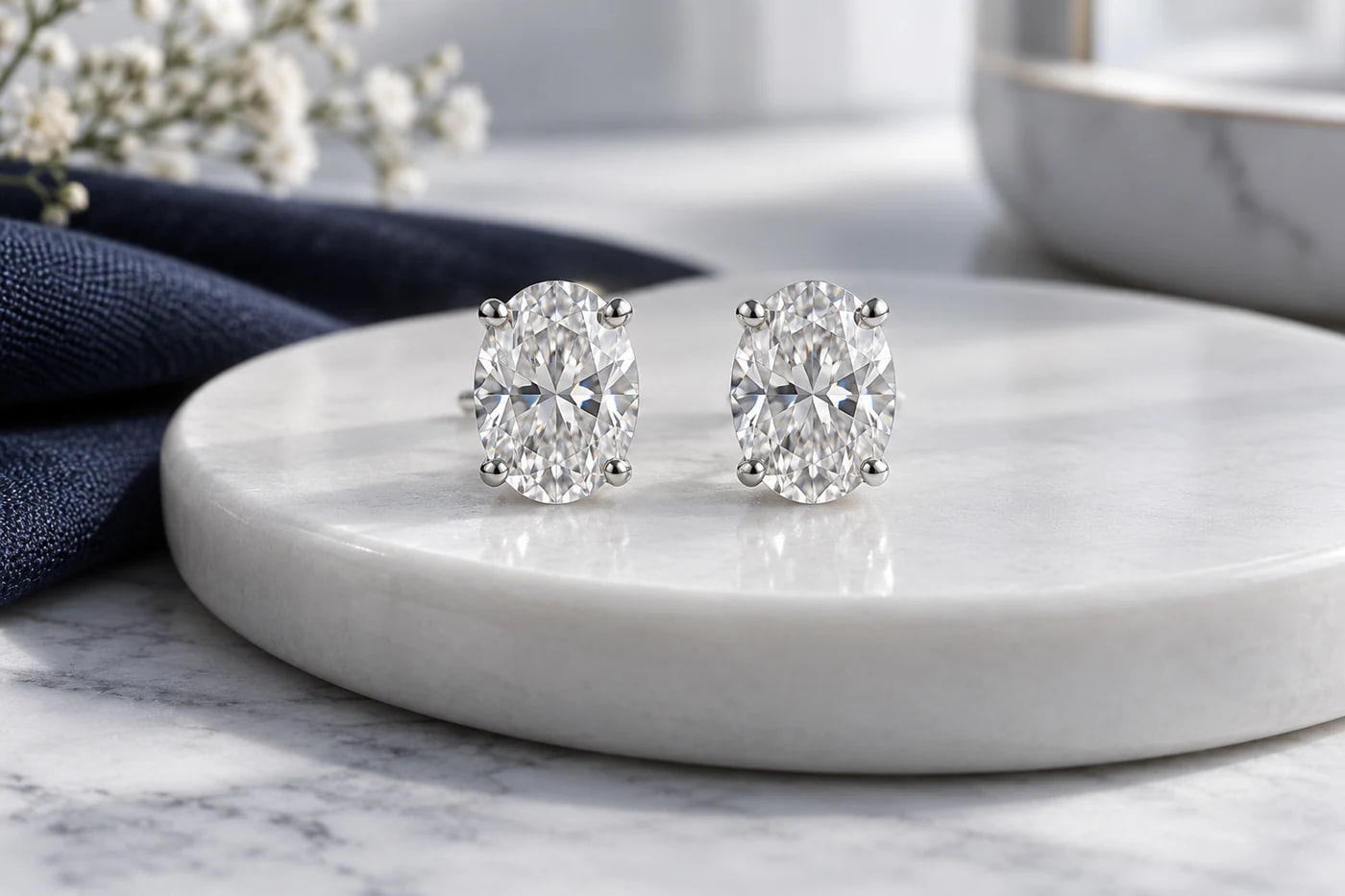
Fancy-shape studs can reveal small contour differences because the pieces are viewed as a pair. Share the mount dimensions, preferred outline and intended orientation before comparing proposed stones.
Explore the Relevant ProductSpecific buyers, specific requirements
01 / BUYER BRIEF
Replace or select a circular center for a client design without guessing from carat weight.
Send the mount diameter, depth clearance, weight preference and report requirement; distinguish a replacement stone from a new setting project.
02 / BUYER BRIEF
Compare two proposed stones together for a client order with clear individual and total weights.
State the shape, desired scale, matching criteria and document expectations.
03 / BUYER BRIEF
Build oval selections against clear acceptance criteria.
Separate single stones from matched pairs; list tolerance, report and image requirements alongside quantity.
| Market scenario | Example procurement use | What needs clarification |
|---|---|---|
| United States | Round bridal and stud assortment | Diameter, report fields and pair-weight terminology |
| United Kingdom | Bespoke paired jewelry | Orientation drawing and contour-matching approval |
| Australia | Made-to-order solitaire and pendant collections | Design approval sequence and repeat diameter bands |
08 / Before you source
No. Include an individual report requirement in the sourcing enquiry. Confirm the actual document and its correspondence for each proposed stone. Small melee parcels, specialist layouts and non-individually graded goods may require a different documentation discussion.
The report and visual review answer different questions. Use the document to understand the stated characteristics and identity information, then review the actual stone's outline, appearance and fit. Matching two stones also requires a same-frame or equivalent group review.
The term is common in buyer searches, but the selected product description should explain the actual grading report supplied. Do not use a certificate label as a guarantee of availability, appearance, value or every possible quality attribute.
Use the issuing laboratory's official report-check process with the actual report details. Confirm how the document, any supplied inscription and the goods correspond. Avoid treating a generic report screenshot as evidence for a different diamond.
09 / Prepare the next conversation
Start with the fixed requirements and explain where the sourcing selection can vary.
Describe the product format, design requirements, document needs and intended purchase unit. The actual selection and commercial terms are confirmed through the quotation.
YOUR PREFERRED REQUIREMENT
IGI-Graded Lab-Grown Diamonds for Business Buyers
Continue to our contact form with your selected specifications and send your requirements directly to our sourcing team.
Review your product selection and requirements on our contact form.
Connect the catalogue and procurement requirements