 English
 Español
 Português
 Deutsch
 Français
 Italiano
 Nederlands
 العربية
 日本語
 한국어
 ไทย
Start From the Repeat Setting
A calibrated group should be described by the seats it must fit. Provide the model drawing, nominal dimensions and the setter’s accepted interval instead of treating calibrated as a complete specification on its own.
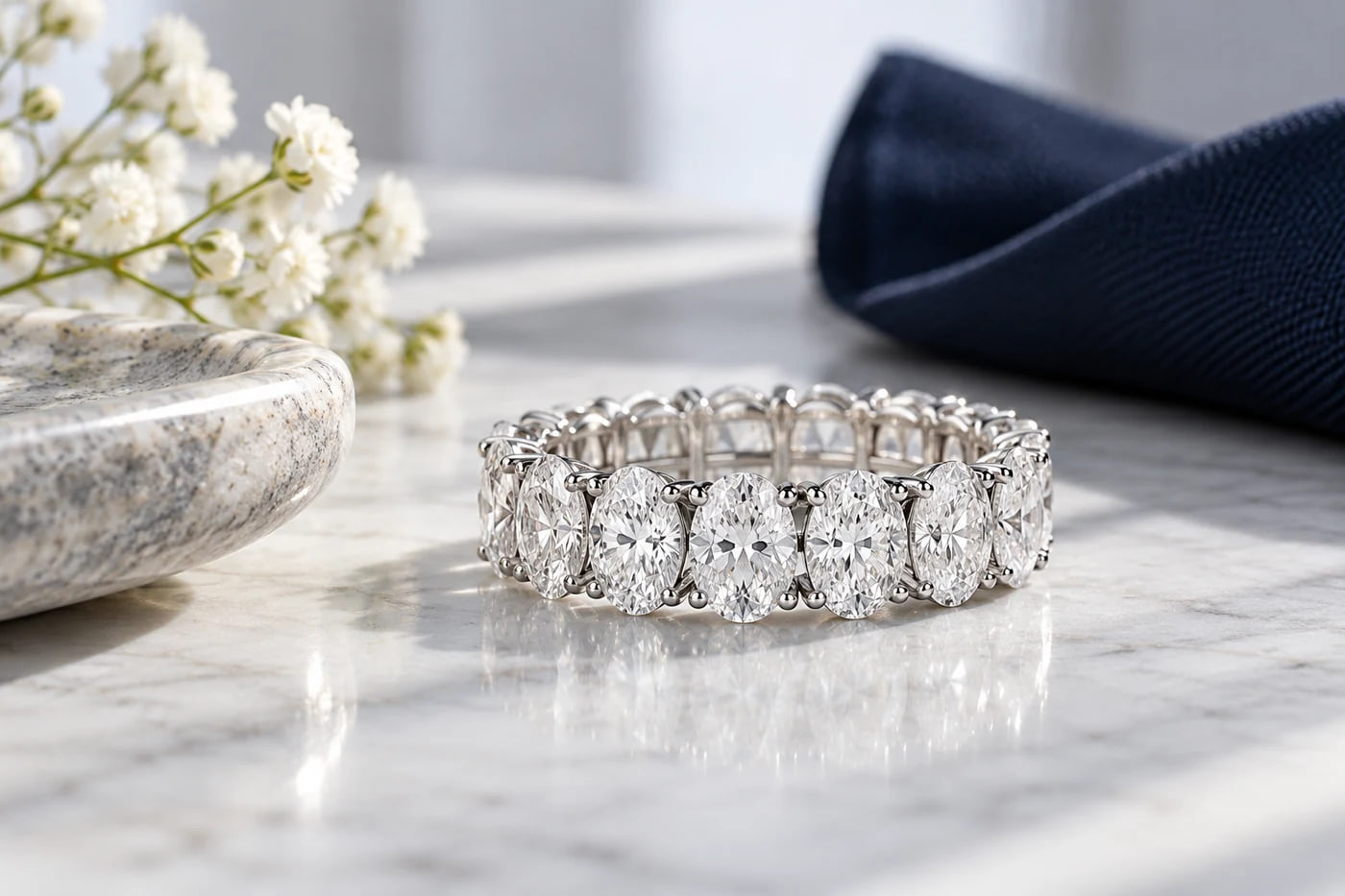
Image 1 of 3: Face-up studio view
Matched Lab-Grown Diamonds / Business sourcing
Counted same-size groups for collection layouts and repeat settings, built around agreed dimensions rather than nominal weight alone.
Preferences are a brief, not a live inventory selection.
A product brief, not just a grade list
Calibrated lab-grown diamond parcels are defined by the dimensions and consistency needed for a setting program. The request can involve round or fancy-shaped stones; the reference group here shows twelve same-size oval diamonds, not twelve unrelated center-stone choices. Establish the outline, length and width requirements, depth constraints, cutting style and accepted variation before asking for a parcel. A calibrated label does not establish one universal tolerance, and a weight description cannot confirm fit. Treat the parcel as a counted design group with a clear total-weight record and agreed inspection method. Repeat supply needs a retained specification and a fresh comparison when a new batch is proposed.
01 / Define the actual requirement
Separate the product description, sample values and information that must be confirmed for the actual selected goods.
| Material | Laboratory-grown diamond |
|---|---|
| Reference product | Twelve same-size oval brilliant loose diamonds |
| Illustrative layout count | 12 stones in one parcel; image arrangement is illustrative |
| Illustrative size request | 6.00 × 4.00 mm oval outline; acceptance range to be agreed |
| Other group requests | Round or defined fancy shapes, subject to outline-specific confirmation |
| Depth and outline | Include mount constraints and the approved contour reference |
| Quantity / weight | Record actual count and total carat weight; no fixed weight inferred from count |
| Calibration evidence | Agree dimensional limits, inspection records and group-appearance checks |
| Growth method | Confirm CVD or HPHT for the proposed goods |
| Documentation | Confirm the available laboratory report or batch documentation |
| Post-growth treatment | Confirm disclosed treatment information for the proposed goods |
| Order unit | A counted calibrated parcel, with actual total weight recorded |
| MOQ / price / lead time | Confirmed only in the quotation for the agreed specification |
| Growth method | Confirm CVD or HPHT for the proposed goods |
|---|---|
| Documentation | Confirm the available laboratory report or batch documentation |
| Post-growth treatment | Confirm disclosed treatment information for the proposed goods |
IGI and GIA services have their own report formats. Use the actual issuing laboratory's wording rather than adding a blanket quality claim. IGI report background · Current GIA services
| Illustrative layout count | 12 stones in one parcel; image arrangement is illustrative |
|---|---|
| Illustrative size request | 6.00 × 4.00 mm oval outline; acceptance range to be agreed |
| Quantity / weight | Record actual count and total carat weight; no fixed weight inferred from count |
| Order unit | A counted calibrated parcel, with actual total weight recorded |
| MOQ / price / lead time | Confirmed only in the quotation for the agreed specification |
Send model drawings, dimensional intervals, counts and separate reserve requirements.
02 / Choose against the design
Use these product-specific checks to make your quotation request more precise.
A calibrated group should be described by the seats it must fit. Provide the model drawing, nominal dimensions and the setter’s accepted interval instead of treating calibrated as a complete specification on its own.
A twelve-stone design needs an agreed count, including any reserve requested for setting or repairs. A quoted total weight alone may not fill the layout. Ask for the packing record to identify both the count and actual weight.
Dimensional consistency and visual consistency are related but different approval tasks. State whether contour, cutting style, color appearance and light return also need to be compared across the group for your finished piece.
Store the accepted drawing, dimensional interval and visual reference with the model. When a new supply batch is offered, compare it against that standard before assuming it can replace the previous parcel without further review.
03 / Plan from the finished design
The finished setting or production workflow determines which measurements and matching decisions belong in the enquiry.
APPLICATION 1
A band with repeated oval seats needs a defined count and accepted dimensions. Check the actual seat requirements and the visual relationship across the group, rather than assuming equal nominal carat weight creates a consistent oval layout.
Brief This Application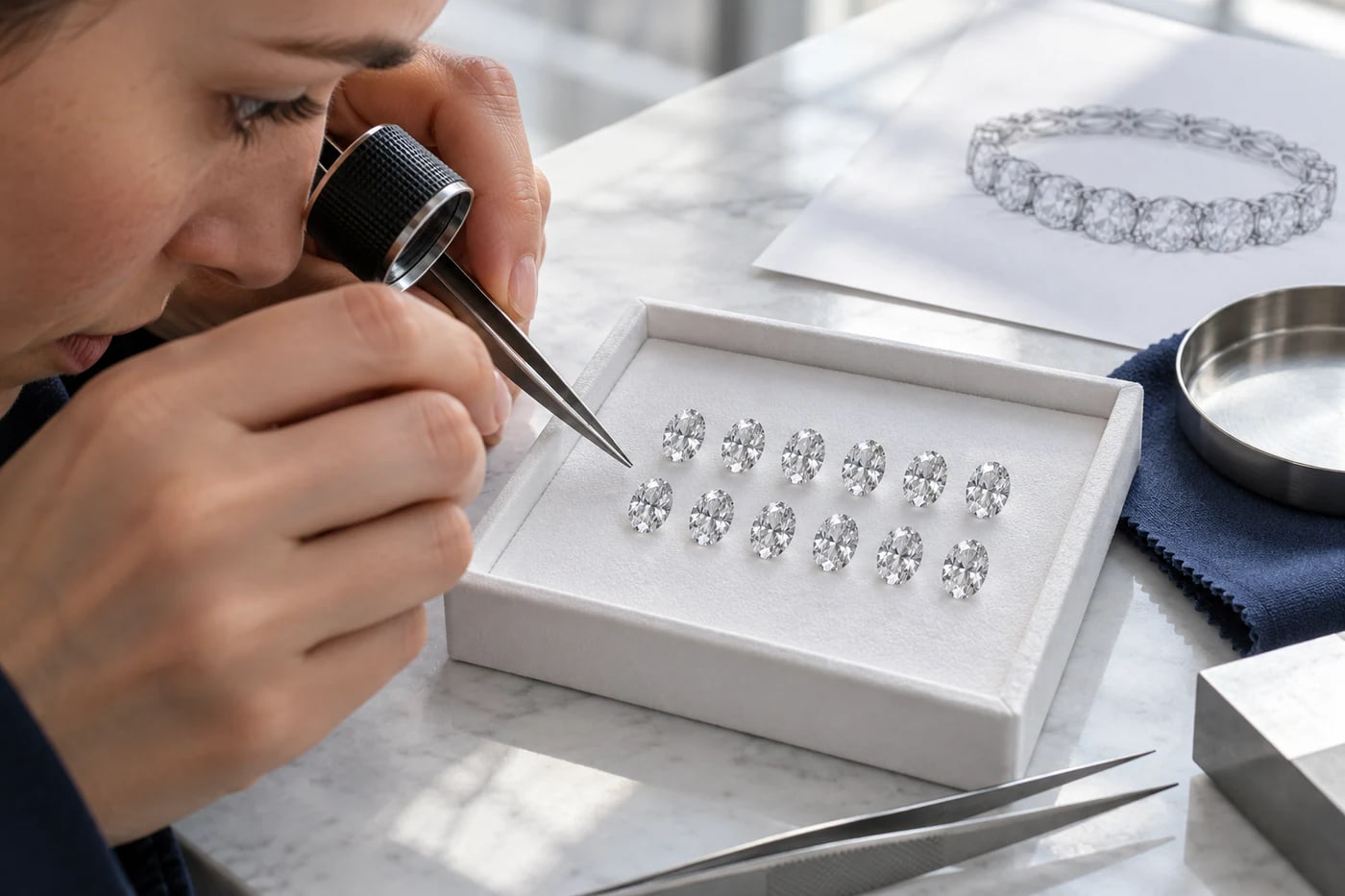
APPLICATION 2
The twelve-oval reference can be inspected as one counted same-size group. Relate the actual outlines and measurements to the approved setting brief, keeping the stone count, total weight and any reserve allocation attached to the parcel record.
Brief This ApplicationADDITIONAL DESIGN USE
A same-size line creates a repeated visual rhythm. Identify the link count, accepted stone dimensions and group appearance so the sourcing brief reflects the planned length and setting design rather than an approximate total weight.
Brief This Application04 / Your buying model
Translate repeated seats into a counted stone group with a controlled fit and inspection brief.
Include in the RFQ: Send model drawings, dimensional intervals, counts and separate reserve requirements.
Preserve the intended repetition across bracelets, bands or other same-size designs.
Include in the RFQ: Provide the approved outline, visual group reference and replenishment assumptions.
Keep the buying description connected to the actual model geometry and packing records.
Include in the RFQ: Define count, actual-weight records, group labels and the acceptance method.
05 / Qualitative procurement scenarios
Use a specific business scenario to prepare an enquiry. These examples do not assert national preferences, market size or confirmed orders.
| Market | Buying scenario | RFQ focus |
|---|---|---|
| United States | Repeated band and bracelet models | Model counts, dimension limits and consistent parcel records |
| United Kingdom | Small production runs for independent brands | Approved sample dimensions and same-size appearance |
| Australia | Made-to-order collection replenishment | Retained calibration brief, refill count and required date |
For a US-facing collection program, attach each calibrated parcel to its model and design count. The buying team can then compare fit and quantity on the same basis across proposals. This is a practical collection workflow, not a claim about the size of national demand.
An independent brand can use an approved sample group to define a small repeat run. Keep contour and appearance checks distinct from dimensional limits, and confirm the number of stones required by the actual mount before accepting a parcel quotation.
For a collection replenishment, identify the model and the approved stone standard, not merely the earlier invoice. A proposed new batch should be checked against that record. Confirm actual supply, quantity and delivery arrangements before committing the finished pieces.
06 / A practical comparison
Compare the properties that change the purchasing decision, then review the actual selected stones or parcel.
| Buying point | Calibrated design parcel | General melee parcel brief |
|---|---|---|
| Primary task | Fit a defined repeated setting or counted layout | Supply small accents within an agreed group |
| Shape range | Round or defined fancy shape | Round or defined small fancy shape |
| Dimension definition | Model-specific limits and contour reference | Specified interval or sieve group |
| Quantity record | Layout count and actual total weight | Count and/or total weight as requested |
| Overlap | A small calibrated group may also be melee | Melee still needs an explicit size and acceptance brief |
08 / Before you source
It means the stones are selected or prepared against specified dimensions for the buying task. The label does not establish one automatic tolerance. Agree the actual limits, contour reference and inspection method so the parcel can be assessed against the mount or model it is intended to fit.
Yes, the illustrative configuration uses twelve same-size oval stones. The picture’s arrangement is only a way to show the group. It does not establish actual inventory, exact weights or a universal pack size; your requested shape, count and dimensions determine the sourcing discussion.
Submit a round or clearly defined fancy-shape request with the drawing and accepted dimensions. Each shape and size needs supply confirmation. Do not infer availability across an entire shape assortment from the existence of one approved same-size oval group.
Dimensional consistency alone does not establish identical appearance. If color relationship, outline, facet arrangement or light return matter across the finished line, include those checks separately. Review the group under agreed conditions rather than treating the word calibrated as a complete visual promise.
State the design count and any additional reserve as separate quantities in the brief. Ask how all groups will be identified in the packing record. If replacements are requested later, use the retained specification and reference rather than assuming the new batch will automatically blend.
Commercial terms depend on the actual selection, quantity, inspection requirements and delivery arrangement. Compare quotations against the same dimension and appearance brief, and confirm their validity. No fixed price, minimum quantity or dispatch promise is implied by the illustrative configuration on this page.
09 / Prepare the next conversation
Start with the fixed requirements and explain where the sourcing selection can vary.
Send model drawings, dimensional intervals, counts and separate reserve requirements.
YOUR PREFERRED REQUIREMENT
Calibrated Lab-Grown Diamond Parcels
Continue to our contact form with your selected specifications and send your requirements directly to our sourcing team.
Review your product selection and requirements on our contact form.
Keep the buying brief connected
Lab-Grown Melee Diamonds / SOURCING ON REQUEST
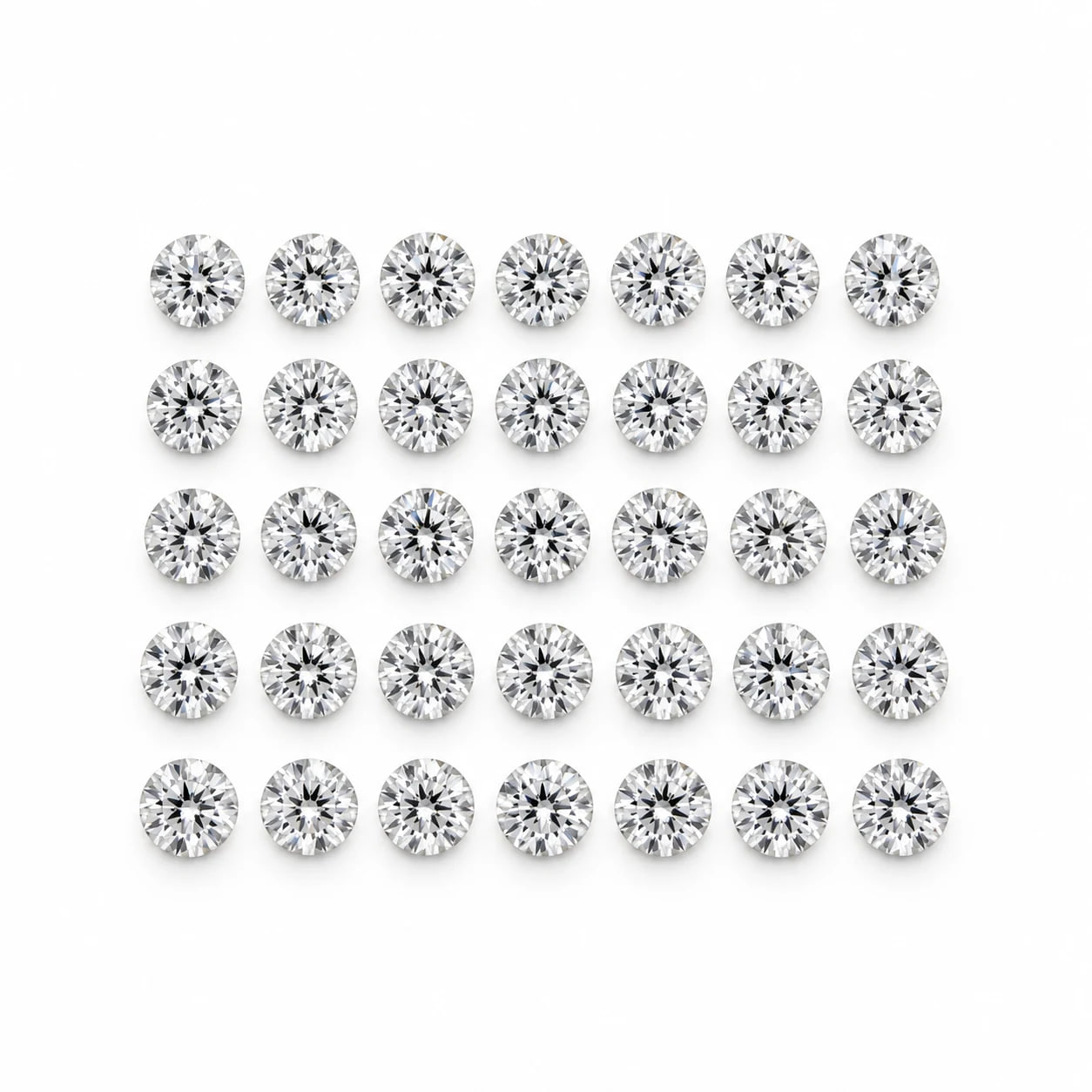
Calibrated small round diamonds for pavé, halos and repeat production, specified by size range and parcel requirements.
Explore Product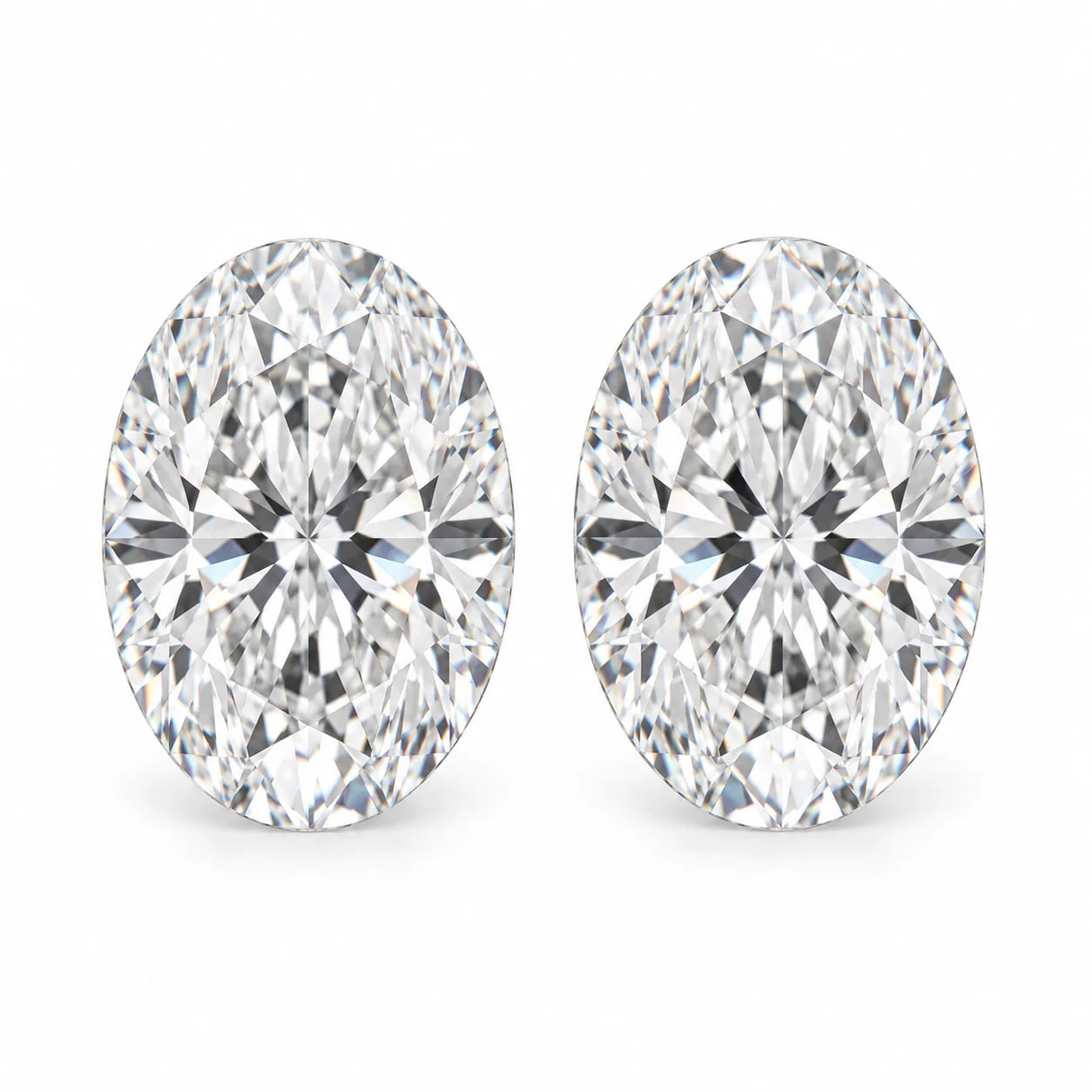
Matched Lab-Grown Diamonds / SOURCING ON REQUEST
Oval, pear and other same-shape loose diamond pairs, selected around outline consistency and your finished-design requirements.
Explore Product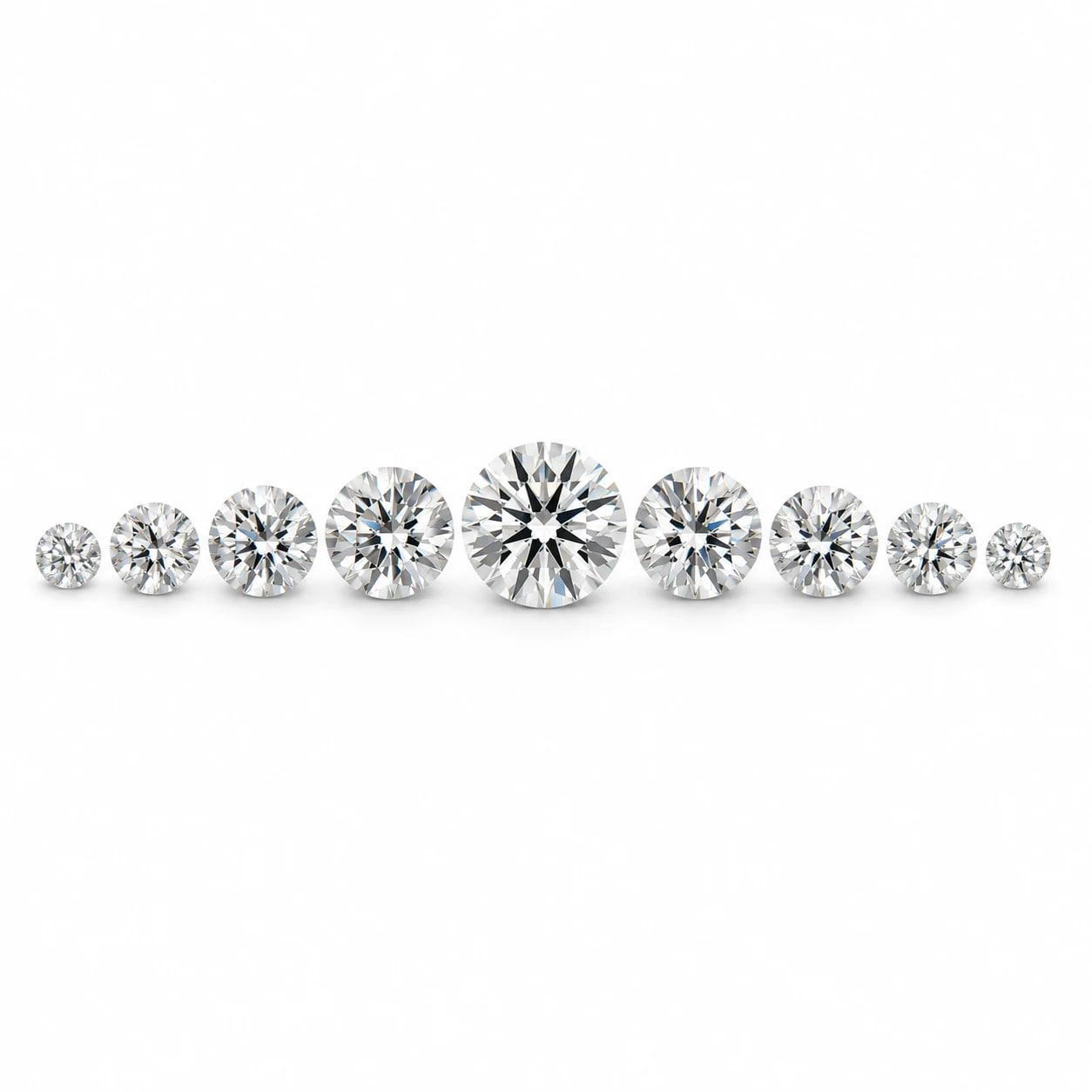
Matched Lab-Grown Diamonds / SOURCING ON REQUEST
Drawing-led sets with a deliberate size progression, supplied against a numbered design and an agreed approval sequence.
Explore Product